Categories
Corporate

Urban Company Set to Raise ₹1,900 Crore Through Public Offering

Urban Company Set to Raise ₹1,900 Crore Through Public Offering

Sets IPO Price Band at ₹98-₹103 Per Share and aims to Fuel Growth and Tech Investments

Sreelatha M

Urban Company, India’s leading home services marketplace, is gearing up to raise ₹1,900 crore through its Initial Public Offering (IPO), a key milestone as it prepares to go public. The offering includes a fresh issue of ₹472 crore and an offer for sale (OFS) of ₹1,428 crore by existing investors such as Accel, Bessemer, and Elevation Capital.

The company has set the IPO price band between ₹98 and ₹103 per share. The public subscription will open on September 10 and close on September 12, 2025, with anchor investors able to bid a day earlier. Retail investors can apply for a minimum of 145 shares, while eligible employees receive a ₹9 per share discount.

Funds raised from the fresh issue will primarily support technology and infrastructure upgrades, with ₹190 crore allocated for technology and cloud development. Additionally, ₹75 crore will go toward leased office spaces and ₹90 crore for marketing and customer acquisition. The rest will be used for general corporate expenses.

Urban Company has shown strong financial progress, with revenue increasing 38% to ₹1,144.5 crore in FY25, up from ₹828 crore the previous year. The company posted a pre-tax profit of ₹28.8 crore, a sharp turnaround from a ₹92.7 crore loss in FY24. Including a ₹211 crore deferred tax credit, net profit stood at ₹240 crore.

Its revenue mix highlights ₹881 crore from India, ₹147 crore from international markets across the UAE and Singapore, and ₹116 crore from product sales under its “Native” brand, which includes smart locks and water purifiers.

Operating in 51 cities, Urban Company serves 6.8 million transacting users and engages around 48,000 service professionals monthly. Leveraging AI-driven technology, it boasts strong customer loyalty with 82% of transaction value from repeat users and maintains an average customer rating of 4.81 out of 5.

The company also empowers its gig workforce, with full-time professionals earning an average of ₹49,066 per month, often exceeding entry-level IT salaries, positioning skilled gig work as a respected career path.


 

Categories
Corporate

Meta and Reliance team up to revolutionize AI for Indian businesses

Meta and Reliance team up to revolutionize AI for Indian businesses

Leveraging Meta’s LLaMA technology and Reliance’s digital infrastructure with $100 million initial investment

Staff Writer

Meta Platforms and Reliance Industries Limited (RIL) have announced a strategic joint venture to develop open-source artificial intelligence (AI) solutions designed specifically for Indian enterprises. The partnership aims to bring advanced AI tools to businesses across the country, enhancing productivity and innovation in sectors ranging from IT to finance and customer service.

Unveiled during Reliance’s 48th Annual General Meeting, the collaboration will leverage Meta’s LLaMA (Large Language Model Meta AI) technology combined with Reliance’s extensive digital infrastructure, including Jio’s connectivity and data centers, to deliver scalable and affordable AI applications.

The venture is backed by an initial investment of $100 million (approximately ₹855 crore), with Reliance holding a 70% stake and Meta 30%. The deal is expected to be finalized by the fourth quarter of 2025, pending regulatory approvals.

Mukesh Ambani, Chairman and Managing Director of Reliance, highlighted the goal to make AI accessible to businesses of all sizes, from startups in remote regions to large corporations in urban centers. Meta CEO Mark Zuckerberg emphasized the synergy between Meta’s AI capabilities and Reliance’s digital ecosystem as a foundation for building next-generation AI tools tailored for the Indian market.

This initiative marks a significant milestone in integrating AI into India’s business landscape, aiming to boost innovation and competitiveness across industries.


Categories
Corporate

Jane Street Files Legal Challenge Against SEBI Over ₹4,843 Crore Trading Ban

Jane Street Files Legal Challenge Against SEBI Over ₹4,843 Crore Trading Ban

US-based trading firm denies market manipulation, demands full access to SEBI’s evidence in Bank Nifty case

Sreelatha M

 US-headquartered trading firm Jane Street has filed a petition with the Securities Appellate Tribunal (SAT) against India’s market regulator, the Securities and Exchange Board of India (SEBI), following a trading ban and allegations of index manipulation involving the Bank Nifty.

The petition, filed on September 3, challenges SEBI’s interim order from July that barred Jane Street from participating in Indian markets and froze approximately ₹4,843 crore in alleged unlawful gains. Jane Street has requested the tribunal to direct SEBI to disclose all relevant investigative materials and to stay further proceedings until such disclosure is made.

According to SEBI’s order, Jane Street allegedly manipulated the Bank Nifty index by placing large buy orders in the cash and futures markets during early trading hours, artificially inflating the index, and subsequently profiting from short positions in derivatives. The regulator termed the strategy “distortionary” and said it misled other market participants.

Jane Street, however, has denied any wrongdoing and described its trading activity as legitimate index arbitrage, a strategy commonly employed by market makers. The firm argued that it acted in accordance with standard market practices and did not engage in any form of manipulation.

In its filing, Jane Street contends that earlier assessments conducted by SEBI’s own Integrated Surveillance Department and the National Stock Exchange (NSE) in 2024 had cleared the firm in the majority of trading sessions under review. The company claims that these findings were not referenced in SEBI’s recent order, raising questions about procedural fairness.

The firm is now seeking access to SEBI’s internal surveillance reports, communications with the NSE, raw trade data, and copies of complaints or other materials used to support the allegations.

Jane Street has argued that the absence of access to these documents has hindered its ability to present a proper defence and violates principles of natural justice. If SEBI’s allegations are upheld, Jane Street could face penalties up to three times the amount of the alleged illegal gains, potentially totaling nearly ₹15,000 crore (US $1.7 billion). The case has attracted significant attention from global market participants and legal experts, who view it as a test of India’s regulatory transparency and its treatment of foreign institutional participants.

The SAT is scheduled to hear the case on September 8, 2025.


Categories
Corporate

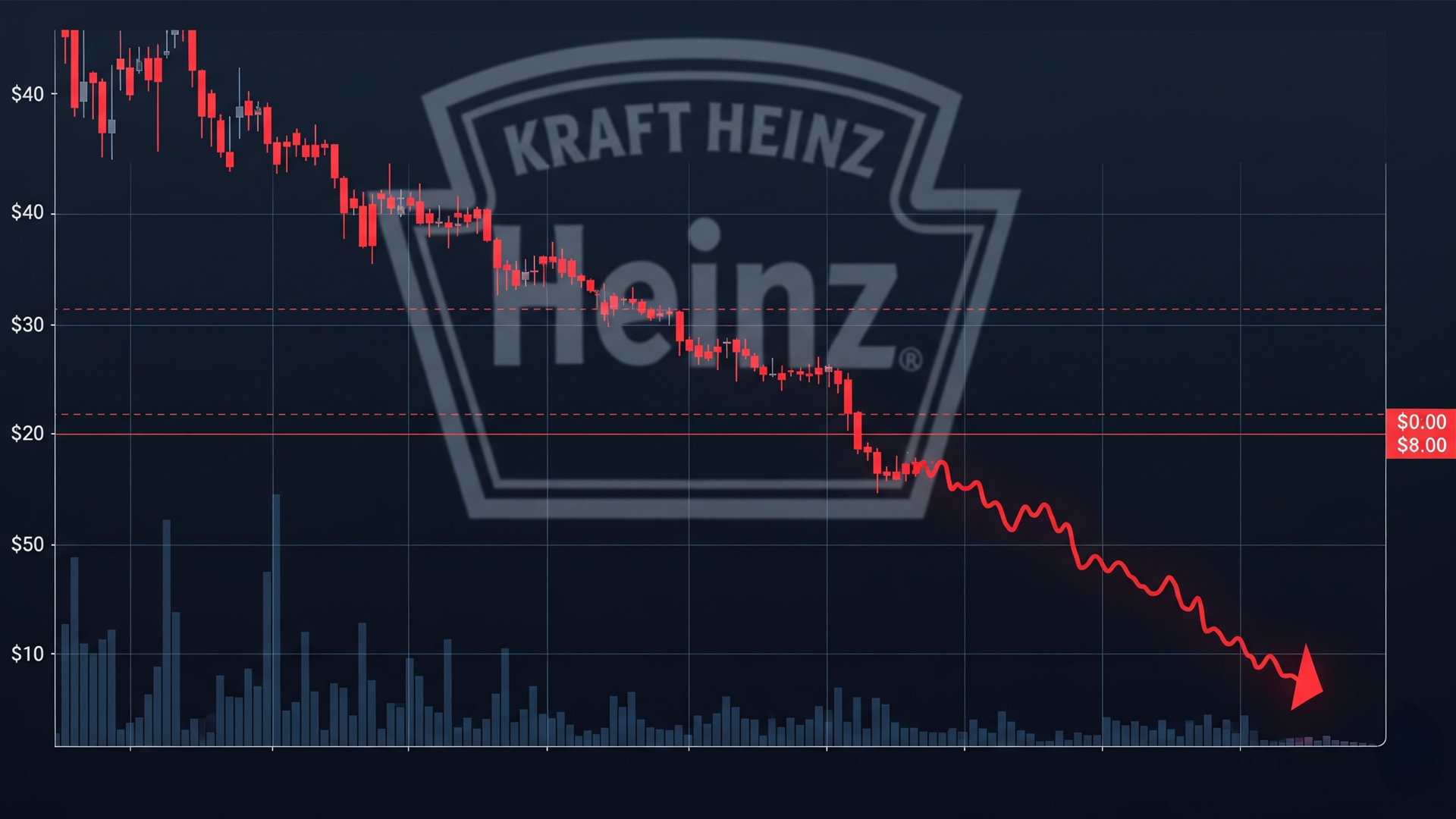
Kraft Heinz to Split Into Two Independent Public Companies to Enhance Strategic Focus

Kraft Heinz to Split Into Two Independent Public Companies to Enhance Strategic Focus

Shares Decline as Investors React to Major Corporate Restructuring

Staff Writer

Kraft Heinz Company (NASDAQ: KHC) today announced plans to separate into two distinct, publicly traded companies through a tax-free spin-off expected to be completed by the second half of 2026. This strategic move is designed to create more focused businesses, accelerate growth, and unlock shareholder value.

The split marks a significant shift for Kraft Heinz, formed in 2015 through the merger of Kraft Foods Group and H.J. Heinz Company. Since the merger, the combined company has faced challenges, including shifting consumer preferences, increased competition, and multiple brand impairments totaling billions in write-downs.

The planned separation will create two public companies.

Global Taste Elevation Co.: This company will manage Kraft Heinz’s international and premium portfolio, including flagship brands like Heinz ketchup, Philadelphia cream cheese, and Kraft Mac & Cheese. It generated approximately $15.4 billion in revenue in 2024. The business will focus on expanding its global presence and growing high-margin categories such as sauces and shelf-stable meals.

North America Grocery Co.: This will be centered on regional grocery staples such as Oscar Mayer, Lunchables, Velveeta, and Kraft Singles. This unit reported $10.4 billion in 2024 sales. Current Kraft Heinz CEO Carlos Abrams-Rivera will lead this company, which will focus on the North American market.

Executive Chair Miguel Patricio emphasized the separation aims to simplify operations and sharpen strategic focus, stating, “By creating two independent companies, we can better allocate capital and resources to meet the unique needs of each business.”

Following the announcement, Kraft Heinz shares dropped between 5% and 7%, reflecting investor caution. Warren Buffett’s Berkshire Hathaway, holding about 27.5% of Kraft Heinz, reportedly expressed disappointment, suggesting the split may not fully address the company’s underlying challenges.

The spin-off is expected to be tax-free to shareholders and incur one-time separation costs of up to $300 million. Both companies plan to maintain investment-grade credit ratings and operate independently with separate leadership teams. The appointment of a CEO for Global Taste Elevation Co. will be announced ahead of the split.

This split aligns Kraft Heinz with recent industry trends where large food conglomerates are breaking into focused entities to improve agility and growth potential.


Categories
Corporate

Patanjali Foods, Prestige Estates Among Key Stocks Trading Ex-Dividend on September 3

Patanjali Foods, Prestige Estates Among Key Stocks Trading Ex-Dividend on September 3

Five major stocks begin trading ex-dividend; investors no longer eligible for FY25 payouts.

Sreelatha M

Several major Indian companies, including Patanjali Foods and Prestige Estates Projects, began trading ex-dividend today, September 3, marking a critical date for investors tracking dividend payouts. The move follows the record date cut-off of September 2, which was the last day to purchase shares to be eligible for upcoming dividend distributions.

According to reports, a total of 13 dividend-paying companies were on investor watchlists ahead of the ex-dividend date. Of these, five key stocks,  Patanjali Foods, Prestige Estates Projects, Pokarna Ltd., Asahi India Glass Ltd., and VST Tillers Tractors Ltd.,  officially went ex-dividend today.

Key dividend announcements include Patanjali Foods Ltd, which declared a final dividend of ₹2 per equity share (100% of face value) for FY 2024–25, with a record date of September 3. Prestige Estates Projects Ltd. recommended a final dividend of ₹1.80 per share (face value ₹10), pending approval at its upcoming AGM. Pokarna Ltd. proposed a 30% final dividend, translating to ₹0.60 per share, subject to shareholder approval. Similarly, Asahi India Glass Ltd.recommended a ₹2 per share dividend, also awaiting confirmation. VST Tillers Tractors Ltd. stood out by declaring a significantly higher final dividend of ₹20 per share, expected to be paid on or after September 10, 2025, if approved.

With these companies now trading ex-dividend, investors entering positions from September 3 onward will not be eligible for the declared payouts. The adjustments reflect India’s T+1 settlement system, where trades must be completed a day before the record date to qualify for dividends.

Analysts suggest that dividend declarations can influence short-term price movements, and investors should assess payout yields in conjunction with company fundamentals. As the dividend season continues, market participants will be closely watching upcoming corporate actions and annual general meetings for further developments.


Categories
Corporate

GST Council Proposes Two-Slab Tax Structure in Major Reform Push

GST Council Proposes Two-Slab Tax Structure in Major Reform Push

Council plans to slash tax slabs and make everyday goods cheaper, while increasing levies on luxury items.

Staff Writer

The GST Council, in its 56th meeting held today under the chairmanship of Finance Minister Nirmala Sitharaman, unveiled a bold proposal to restructure India’s Goods and Services Tax system. Aimed at simplifying compliance and boosting consumption, the plan recommends moving from the current four-tier rate system to a dual-rate structure of 5% and 18%, while introducing a separate 40% rate for luxury and sin goods.

The existing slabs of 5%, 12%, 18%, and 28% would be rationalized, with many commonly used goods and services shifting to lower tax rates. Daily-use items such as packaged food, namkeen, school supplies, medicines, and household essentials are expected to be moved to the 5% category. Consumer durables, currently taxed at 28%, may be brought under the 18% slab—potentially lowering prices ahead of the festive season.

To compensate for revenue loss, the Council is exploring a steep 40% GST on high-end and non-essential goods. This could apply to luxury cars, tobacco products, premium apparel priced above ₹2,500, and business-class air travel.

However, the proposal has raised concerns among several states, particularly opposition-ruled ones like Tamil Nadu, Kerala, Punjab, and West Bengal. These states warn that the new structure could lead to annual revenue losses between ₹85,000 crore and ₹2 lakh crore, and have demanded a clear compensation framework to safeguard state finances.

Despite resistance, economists believe the reforms could drive long-term gains. An SBI report suggests states may still see overall fiscal benefits by FY26 through higher compliance and a wider tax base. Bank of Baroda estimates the changes could add up to ₹1 lakh crore to consumer spending in the second half of the fiscal year.

If consensus is reached, the revised GST structure could come into effect as early as midnight on September 5. The outcome of the ongoing deliberations could mark a defining moment for India’s indirect tax regime.


Categories
Corporate

PNC Infratech Bags ₹297 Crore Varanasi Airport Runway Project; Shares Jump Over 4%

PNC Infratech Bags ₹297 Crore Varanasi Airport Runway Project; Shares Jump Over 4%

Investor confidence rises as aviation project adds to ₹17,000 crore order book

Sreelatha M

Infrastructure company PNC Infratech Ltd on Wednesday emerged as the lowest bidder (L1) for a significant ₹297.01 crore contract awarded by the Airports Authority of India (AAI). The project involves the extension, re-carpeting, and strengthening of the runway at Lal Bahadur Shastri International Airport in Varanasi, along with related allied works.

Following the announcement, PNC Infratech shares surged over 4% in early trading, opening at ₹312.95 and reaching an intraday high of ₹314.60, reflecting strong investor confidence in the company’s expanding portfolio.

The contract is slated for execution within 18 months and adds to PNC Infratech’s already impressive order book, which stands at over ₹17,000 crore as of June 30, 2025. The company’s portfolio is diversified across road, highway, railway, and canal EPC projects, with infrastructure-related contracts making up 83% of the total order book.

Industry analysts have welcomed the new contract, maintaining their “Buy” ratings and predicting a potential upside of 20-30% over the next year. maintaining Buy ratings on the stock with 12-month price targets ranging from ₹370 to ₹430, implying a potential upside of 20-30%. The latest airport project further strengthens PNC Infratech’s presence in the aviation infrastructure sector, which is poised for growth amid increasing passenger traffic and government initiatives to expand airport capacity.

With this addition, PNC Infratech continues to solidify its position as a key player in India’s infrastructure development landscape, leveraging opportunities in both traditional and emerging sectors.


Categories
Corporate

Adani Power Gets Government Nod to Commence Dhirauli Coal Mine Operations in Madhya Pradesh

Adani Power Gets Government Nod to Commence Dhirauli Coal Mine Operations in Madhya Pradesh

Government Clearance Strengthens Adani Power’s Fuel Security and Supports Expansion of High-Capacity Power Projects

Sreelatha M

Adani Power has secured formal approval from India’s Ministry of Coal to begin mining operations at the Dhirauli coal block in Singrauli district, Madhya Pradesh, a major milestone in the company’s plan to strengthen its fuel security.

Operated by Mahan Energen Ltd., a wholly owned subsidiary of Adani Power, the Dhirauli mine is expected to produce up to 6.5 million tonnes of coal annually. The site holds significant geological reserves, with 620 million metric tonnes (MMT) in gross reserves and 558 MMT in net reserves, ensuring a steady supply of coal over the long term. Mining will be carried out through a combination of open-cast and underground methods, with the open-cast segment contributing approximately 5 MTPA.

This new captive coal source is set to support Adani Power’s merchant power generation and the planned expansion of the 1,200 MW Mahan Power plant to a total capacity of 3,200 MW. The company is committed to responsible mining practices, including coal washing and processing within the mine area to reduce environmental impact and emissions.

SB Khyalia, CEO of Adani Power, described the government approval as a "pivotal milestone," highlighting how backward integration into coal mining will help optimize input costs and enable the company to offer competitively priced power. The Dhirauli coal block stands as Adani Power’s first captive mine to receive official clearance to commence operations, marking a key step in the company’s growth trajectory.


Categories
Corporate

Indus Towers Enters Africa with Expansion into Nigeria, Uganda, and Zambia

Indus Towers Enters Africa with Expansion into Nigeria, Uganda, and Zambia

Expansion into Africa signals growth ambitions but raises concerns over delayed dividends and stock volatility

Staff Writer

Indus Towers Ltd, India’s second-largest telecom tower company and an arm of Bharti Airtel, has announced its entry into the African market, beginning operations in Nigeria, Uganda, and Zambia. This marks the company’s first-ever international expansion.

The board of Indus Towers approved the move earlier this week, positioning it as a strategic effort to diversify revenue sources and expand its global footprint. The company will partner with Airtel Africa, which operates in over a dozen African nations, to serve as its anchor customer in these new markets.

In a regulatory filing, Indus Towers stated that the expansion aims to “diversify revenue, improve scalability, and create long-term value for shareholders.” The company emphasized that Airtel’s strong presence in Africa will enable a smooth entry, with existing infrastructure and demand already in place.

Indus Towers, which currently operates over 251,000 towers across 22 telecom circles in India, reported a free cash flow of ₹1,570 crore in the first quarter of FY26. This financial strength, the company said, allows it to reinvest in growth rather than distribute dividends—a decision that has drawn criticism from some investors.

Shares of Indus Towers fell nearly 5% on Tuesday following the announcement, hitting a 52-week low of ₹312 amid concerns over delayed dividends and the risks of international expansion. The company has not paid a dividend since May 2022.

Brokerages offered a mixed response. CLSA maintained an “outperform” rating with a target price of ₹520, while Citi retained its “buy” rating with a target of ₹460, citing attractive valuations. However, both noted that the African market currently represents a small portion of Airtel’s tower assets, raising questions about the short-term financial impact.

The initial expansion into Nigeria, Uganda, and Zambia is expected to be the first step in a broader plan. Indus Towers said it is evaluating opportunities in additional African markets where Airtel operates.

As the company ventures beyond India for the first time, its ability to execute effectively and deliver returns in unfamiliar markets will be closely watched. For now, the move signals a shift in strategy, from being a domestic market leader to a global telecom infrastructure player.


Categories
Corporate

TCS Shares in Focus After €550 Million Digital Transformation Deal with Tryg

TCS Shares in Focus After €550 Million Digital Transformation Deal with Tryg

Seven-year deal to modernize Tryg’s IT and boost digital transformation in the Nordics


Sreelatha M

Tata Consultancy Services (TCS) is in the spotlight after announcing a significant €550 million (approx. ₹4,900 crore) digital transformation agreement with Tryg, one of Scandinavia's largest non-life insurance providers. The seven-year deal marks a major expansion of their 15-year partnership and underscores TCS's growing influence in the Nordic market.

Under the new agreement, TCS will lead a comprehensive overhaul of Tryg’s IT landscape across Denmark, Sweden, and Norway. The initiative is designed to simplify and standardize operations, increase agility, and enhance customer experience by adopting cloud technologies, automation, and artificial intelligence (AI).

The engagement is aligned with Tryg’s long-term strategic vision, “United Towards 27,” which focuses on modernizing legacy systems and enabling scalable digital capabilities to serve over six million customers across the Nordic region.

As part of the transformation, TCS will take ownership of a wide array of IT services, including application development and maintenance, IT infrastructure management, end-user support services, and cybersecurity operations

The transformation will replace Tryg’s fragmented and complex systems, resulting from multiple mergers and acquisitions, with a unified, future-ready digital core. The goal is to drive operational efficiency, reduce IT complexity, and enable faster rollout of innovative digital solutions.

“This expanded engagement marks a significant milestone in our long-standing relationship with Tryg,” TCS said in a statement. “Our contextual knowledge and strong regional presence uniquely position us to support Tryg in becoming more agile, resilient, and future-ready.”

Tryg Group CEO Johan Kirstein Brammer stated, “Simplifying our IT landscape will allow us to invest more in technologies that improve customer experience and solidify our competitive edge. This is a key step toward achieving our 2027 vision.”

TCS CEO K Krithivasan added, “Long-term value comes from resilient, adaptive businesses powered by intelligent, modern IT. We’re excited to help Tryg transform into a more agile, AI-led enterprise.”

TCS has been a key player in the Nordic region for over three decades, employing more than 20,000 professionals across the region. The company's Banking, Financial Services & Insurance (BFSI) unit has ranked #1 for customer satisfaction in the Nordics for eight consecutive years and is recognized as a Top Employer by the Top Employers Institute.

The announcement has boosted investor sentiment, with TCS shares expected to remain in focus as markets react to the strategic win.