Categories
Corporate

Infosys Shares Rise Over 2% After ₹18,000 Cr Buyback Approval

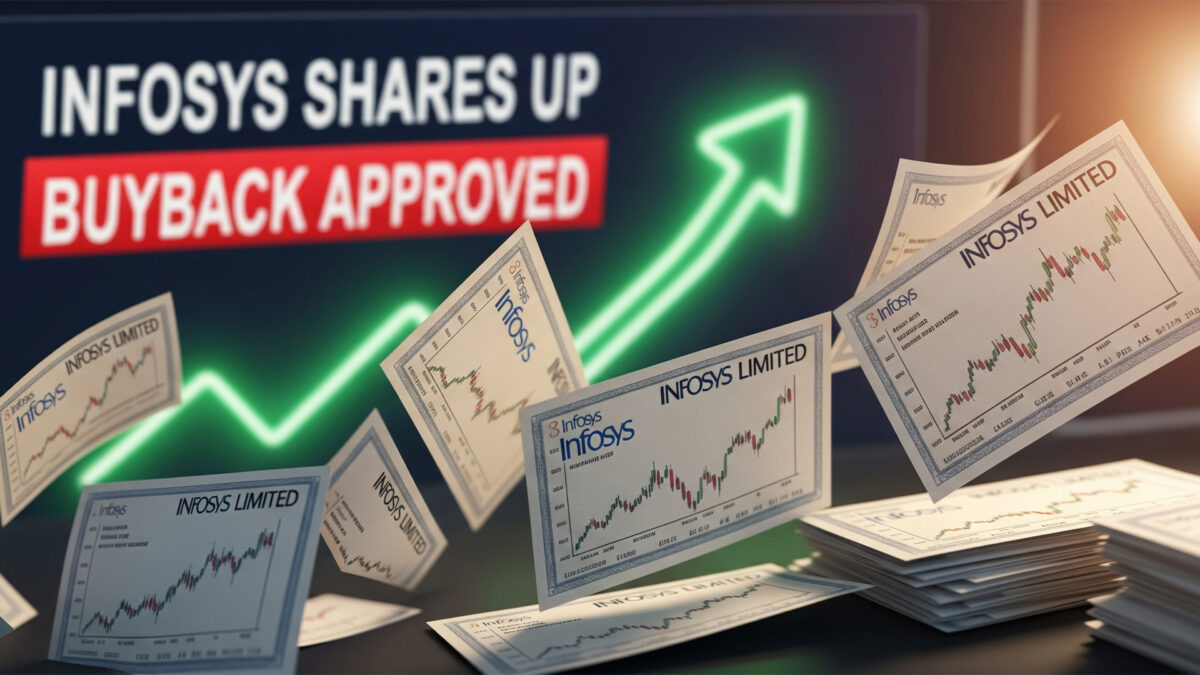
Infosys Ltd shares rallied over 2% in early trade on Thursday after the IT services major announced a substantial ₹18,000 crore share buyback,  its largest to date, in a move aimed at returning surplus capital to shareholders and boosting investor confidence.

The company’s board has approved the repurchase of up to 10 crore fully paid equity shares, representing approximately 2.41% of its total paid-up capital. The buyback will be conducted via the open market route at a maximum price of ₹1,800 per share, nearly 19% above Wednesday’s closing price of ₹1,509.50 on the BSE.

Following the announcement, Infosys stock opened higher and touched an intraday high of ₹1,544.65, before settling around ₹1,532 by 9:20 AM.

This marks the fifth buyback by the Bengaluru-based IT giant and nearly doubles the value of its 2022 program, which was capped at ₹9,300 crore. Backed by a strong balance sheet and steady cash flows, with a reported free cash flow of $884 million (₹7,805 crore) for the quarter ended June 2025, the company is well-positioned to fund the buyback without impacting its operational investments.

In a parallel development, Infosys also announced a long-term strategic partnership with U.S.-based HanesBrands Inc. The 10-year engagement is aimed at enhancing productivity and driving efficiency through AI-led digital transformation initiatives. This deal signals Infosys’ continued push to deepen client relationships and scale its AI offerings across verticals.

Despite the positive momentum, Infosys shares remain under pressure on a longer horizon, having declined 19% year-to-date and around 21% over the last 12 months. However, analysts view the buyback and the new client win as strong signals of management’s confidence in the company’s fundamentals and growth roadmap.

As India’s IT sector continues to navigate global macroeconomic headwinds, strategic moves like these could help Infosys sustain investor interest and reinforce its commitment to long-term value creation.

Categories
Corporate

Marico Acquires Full Control of True Elements with ₹138 Crore Buyout

Marico Limited has announced its plan to acquire the remaining 46.02% stake in HW Wellness Solutions Pvt. Ltd., the parent company of the digital-first health food brand True Elements, for ₹138 crore. This transaction will increase Marico’s ownership from 53.98% to 100%, making HW Wellness a wholly-owned subsidiary. The acquisition is expected to be completed by September 30, 2025, subject to customary approvals.

Founded in 2013 by Puru Gupta and Sreejith Moolayil, HW Wellness has become a leading name in India’s healthy breakfast and snacks market. True Elements offers a diverse range of clean-label products such as oats, muesli, granola, and roasted seed mixes, aimed at health-conscious consumers. The brand has built a strong presence through online platforms and is now available in over 12,000 retail outlets across the country.

Marico’s initial investment in HW Wellness in May 2022, when it acquired a majority stake of 53.98%, marked its entry into the health foods sector. The full acquisition reflects the company’s broader strategy to strengthen its foothold in the fast-growing health and wellness segment by leveraging True Elements’ innovative product portfolio and digital-first approach.

True Elements has seen robust growth in recent years. Its turnover rose from ₹57.40 crore in FY23 to ₹76.42 crore in FY24 and further to ₹164.38 crore in FY25, underscoring the increasing consumer appetite for nutritious and convenient food products.

For Marico, this acquisition represents a strategic expansion that complements its existing portfolio. By integrating True Elements’ offerings with its established distribution network, Marico aims to enhance its position in the health foods market and tap into evolving consumer trends. The partnership will allow the company to scale operations, introduce new products, and strengthen its brand presence.

The acquisition also signals Marico’s commitment to diversifying its business and entering new growth areas. As health and wellness continue to be key consumer priorities, Marico’s strengthened presence through True Elements positions it well to meet these demands.

As the transaction moves toward completion, industry observers will watch closely to see how Marico leverages this acquisition to drive long-term growth and innovation in the health foods space. With this move, the company is poised to further capitalize on emerging trends and consumer preferences in India’s dynamic food industry.

Categories
Corporate

Adani Group Bars Sanctioned Vessels from All Ports Amid Global Scrutiny

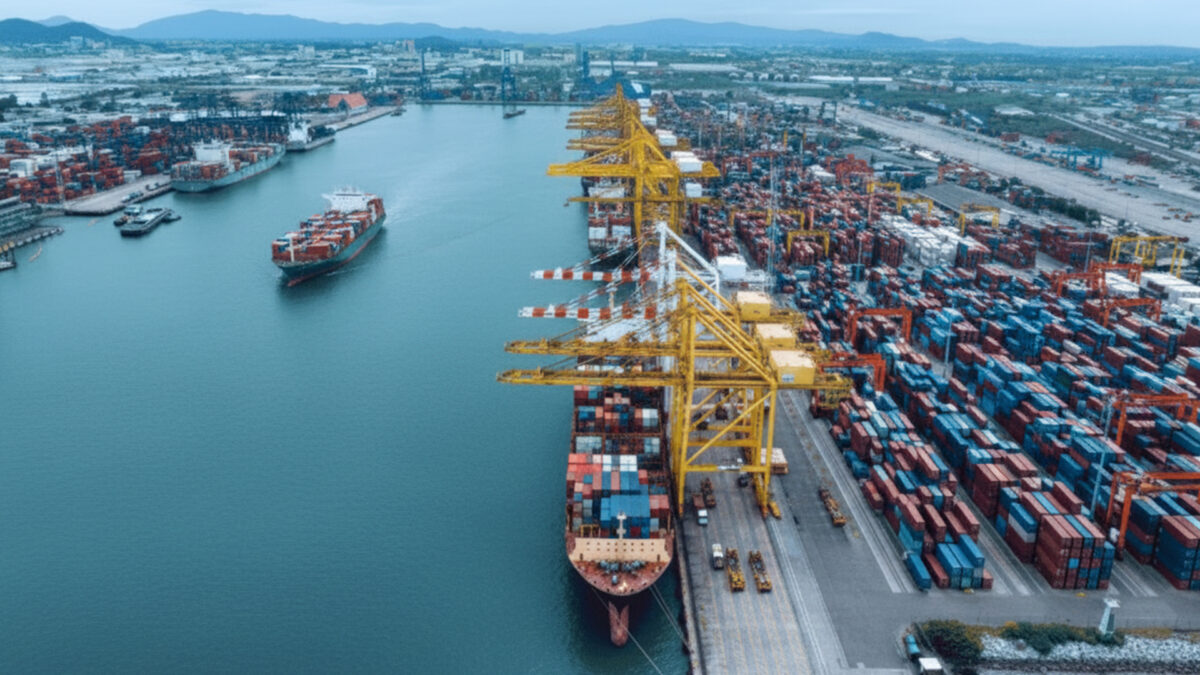
India’s largest private port operator, Adani Ports and Logistics, has announced that vessels sanctioned by the United States, European Union, and United Kingdom will no longer be allowed at any of its 14 ports. The policy, which takes effect immediately, aims to align with international sanctions and avoid potential legal and commercial risks linked to vessels associated with Russian or Iranian shipping.

The directive requires vessel agents to provide written assurance that their ships are not subject to sanctions at the time of nomination. This step reflects Adani Ports’ commitment to adhering to global trade and security norms amid growing geopolitical tensions.

The decision follows increased scrutiny of maritime activities involving Russia and Iran, particularly the so-called “shadow fleet” used to transport crude oil. After sanctions by Western nations targeting Russian energy exports, these vessels have been used to sustain oil shipments despite restrictions. India, though not bound by unilateral sanctions, has been monitoring transactions and vessels involved in such trade.

The policy change could have far-reaching implications for Indian refiners that depend on Adani’s port facilities for importing crude oil. HPCL-Mittal Energy Ltd, which runs a 226,000-barrels-per-day refinery in Punjab, receives all its crude at Adani’s Mundra Port. Similarly, Indian Oil Corporation, the country’s largest refiner, imports crude at multiple ports, including those operated by Adani. The new restrictions may disrupt these supply chains and prompt refiners to explore alternative routes or suppliers.

Adani’s move reflects a cautious approach aimed at safeguarding its operations from sanctions-related penalties while ensuring compliance with evolving global standards. The decision aligns with broader efforts to curtail sanctioned trade and strengthen enforcement mechanisms across the maritime sector.

As trade dynamics continue to shift, Adani Ports’ policy adjustment highlights the growing challenges faced by global supply chains in balancing operational efficiency with regulatory compliance. With increased attention on oil shipments and financial sanctions, the port operator’s actions underscore the delicate balancing act between commercial interests and geopolitical responsibilities. 

The move is likely to influence how port operators, shipping companies, and energy suppliers navigate global trade frameworks in the coming years.

Categories
Corporate

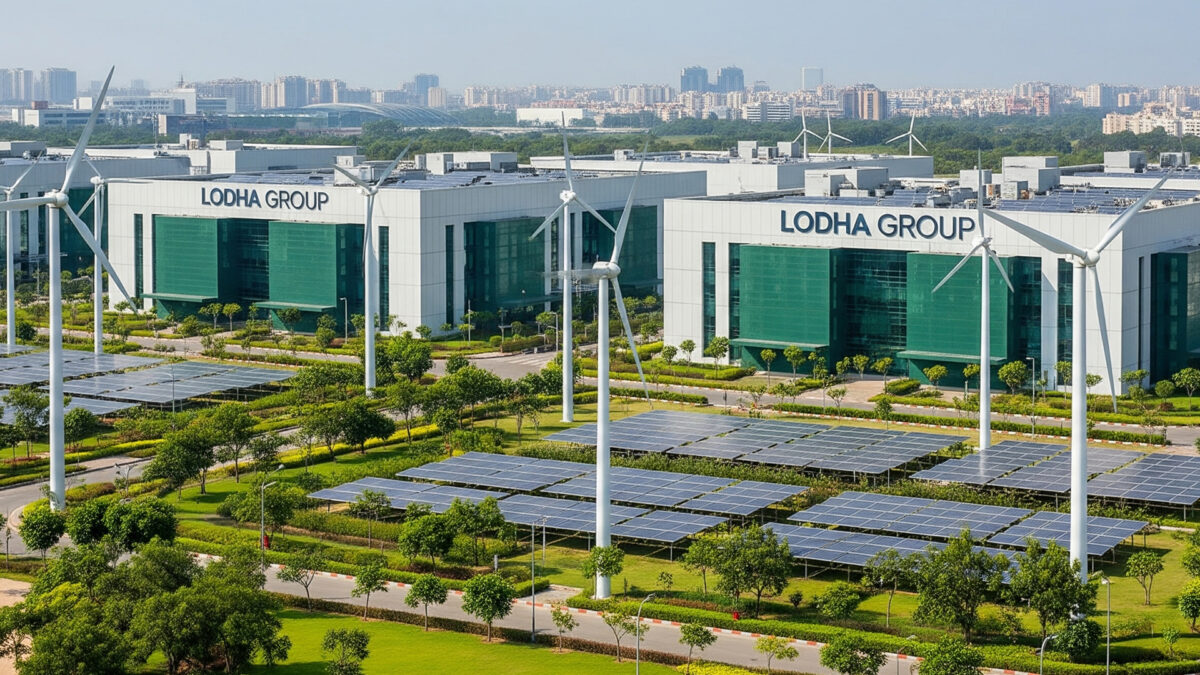
Lodha Group Signs MoU to Establish ₹30,000 Crore Green Data Centre Park Near Mumbai

In a major push to boost digital infrastructure, the Maharashtra state government and Lodha Developers have signed a Memorandum of Understanding (MoU) to establish a Green Integrated Data Centre Park in Palava, near Mumbai. The project, with an investment of ₹30,000 crore, is set to position the state as a leading hub for sustainable data services.

The data centre park will cover 370 acres in the Mumbai Metropolitan Region and is designed to accommodate multiple international and domestic data centre operators. With a planned capacity of 2 gigawatts, it aims to meet the increasing demand for data storage and processing in the region. The project is expected to generate around 6,000 direct and indirect jobs, providing a significant boost to the local economy.

Aligned with Maharashtra’s Green Integrated Data Centre Parks policy introduced in October 2024, the project will rely on renewable energy sources and environmentally responsible infrastructure. The policy mandates that data centres operate using clean energy to reduce their carbon footprint. Lodha Developers has committed to achieving net-zero emissions across all its operations in the coming years, reinforcing its commitment to sustainable development.

This initiative forms part of a broader investment strategy by the Maharashtra government, which recently signed MoUs worth ₹1.09 lakh crore across various sectors including IT, food processing, logistics, and warehousing. These investments are expected to create approximately 48,000 direct jobs, underscoring the state’s intent to foster growth and attract global investments.

The Palava data centre park is expected to become a key digital infrastructure hub, drawing leading operators and contributing to Maharashtra’s reputation as a destination for large-scale industrial and technological developments. Its focus on sustainability and innovation sets new benchmarks for environmentally conscious projects in the country.

As the project progresses, it is likely to play a critical role in supporting Maharashtra’s digital economy and addressing the growing demand for data services, while promoting green and responsible infrastructure development.

Categories
Corporate

Oracle Stock Retreats After Record Surge Driven by AI Cloud Optimism

Oracle Corporation’s shares fell sharply on Thursday, closing down 6%, a day after hitting a record high, as investor sentiment shifted due to concerns that most of the company’s near-term growth is heavily dependent on a single client,  OpenAI.

Earlier this week, Oracle’s stock soared on the back of strong quarterly performance and bullish projections. On Tuesday, CEO Safra Catz revealed that Oracle had “signed four multi-billion-dollar contracts with three different customers” during the latest quarter, causing shares to surge 30% in extended trading. On Wednesday, the stock jumped nearly 36%, closing at a record high of $328.33, and briefly lifting Oracle’s market capitalization to $933 billion.

The company’s remaining performance obligation – the measure of contracted but unrecognized revenue – ballooned to $455 billion, a remarkable 359% increase year-over-year. Oracle forecasted that its cloud infrastructure revenue would grow 14-fold by 2030, positioning itself as a key player in the AI cloud services market. The company’s build-out of data center capacity is part of a broader strategy to support AI-driven applications, especially those relying on Nvidia chips.

However, the excitement was tempered after a report by The Wall Street Journal revealed that OpenAI is expected to pay Oracle $300 billion over five years under a major agreement to build 4.5 gigawatts of U.S. data center capacity. Both companies declined to comment on the report.

Gil Luria, an analyst with a neutral rating on Oracle shares, noted in a client advisory that “our enthusiasm for Oracle’s backlog announcements is significantly tempered by the report that it came almost entirely from OpenAI.”

As a result, Oracle’s shares slid nearly 6% on Thursday, closing at $307.86 per share, down $20.68 from the previous close. The stock saw an intraday high of $335.39 and a low of $304.65, with a trading volume of 69.98 million shares. The stock opened at $330.00.

Despite the pullback, analysts believe the stock remains about 9% below the median price target of $342, signaling that many investors continue to view Oracle’s long-term prospects favorably.

Larry Ellison, Oracle’s co-founder, saw his net worth rise to approximately $387.6 billion, largely due to his 41% stake in the company, making him second only to Elon Musk on Forbes’ global wealth list.

The recent stock correction is seen as a market reaction to the concentration risk in Oracle’s growth strategy, with investor focus now shifting to how the company will diversify its client base and sustain its ambitious AI cloud expansion in the coming years.

Categories
Corporate

Zetwerk to Invest ₹5,000 Crore in Solar Cell Manufacturing Plant in Tamil Nadu

Zetwerk to Invest ₹5,000 Crore in Solar Cell Manufacturing Plant in Tamil Nadu

Strategic green energy project expected to create 3,000 jobs and strengthen India’s solar supply chain

Staff Writer

11 September 2025

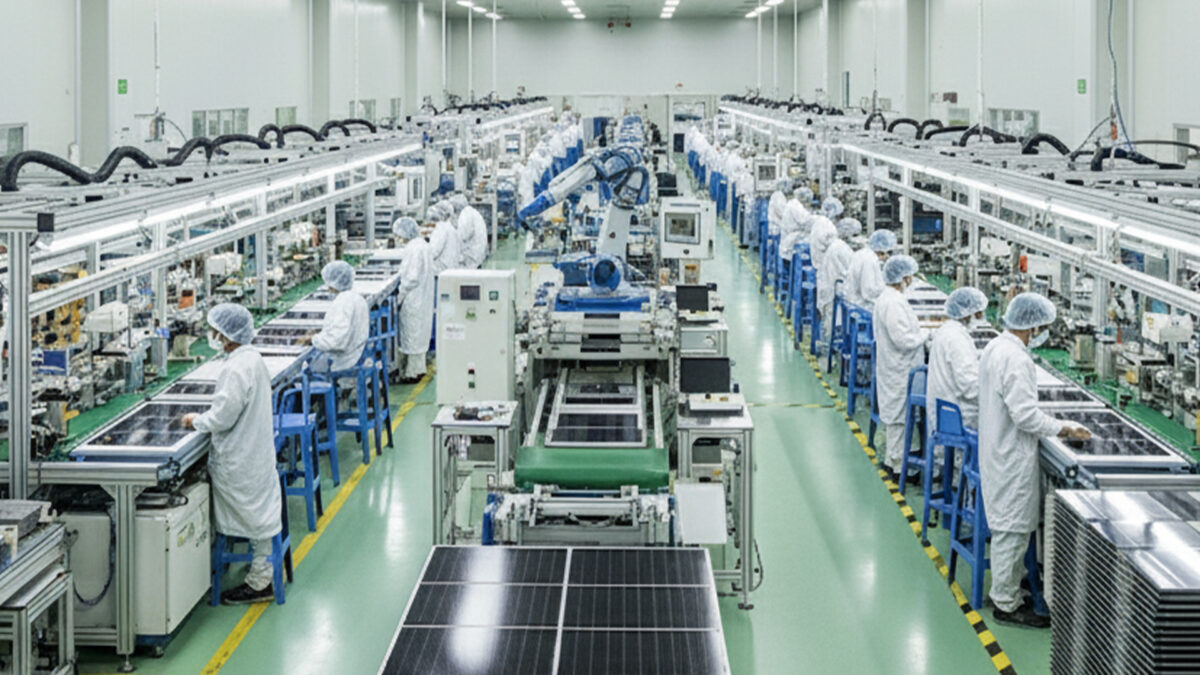
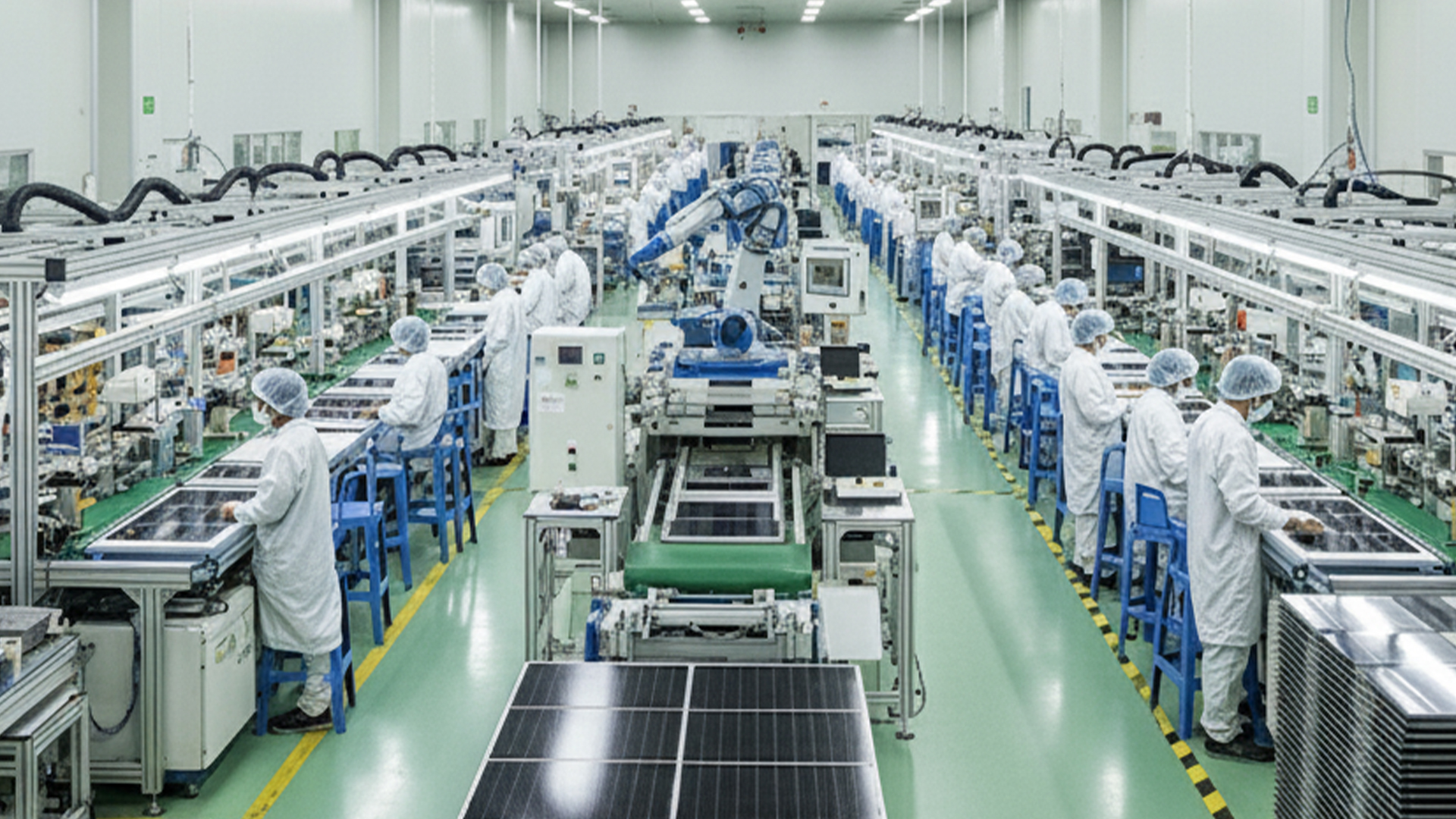
Bengaluru-based Zetwerk Manufacturing Businesses Private Limited is set to make a significant investment of ₹5,000 crore to establish a state-of-the-art solar cell manufacturing facility in Tamil Nadu. The move aligns with the Tamil Nadu government’s ambitious strategy to transform the state into a major hub for green exports and renewable energy technologies.

According to reports, the upcoming facility is expected to generate employment for approximately 3,000 people. In addition to producing solar cells, the project will bolster India’s broader solar manufacturing ecosystem, contributing to sectors such as glass production, backsheet manufacturing, EVA (ethylene-vinyl acetate), silver paste, and specialized machinery, all critical components of the solar value chain.

This proposed investment is part of a broader wave of industrial commitments announced during the first-ever TN Rising Investment Conclave, held recently in Hosur. The event saw the Tamil Nadu government signing over 90 Memorandums of Understanding (MoUs) with various companies. Collectively, these agreements represent a potential investment inflow of nearly ₹24,000 crore, with an estimated 49,000 new jobs expected to be created across high-growth sectors such as electronics, electric vehicles (EVs), and solar energy.

Zetwerk’s planned solar cell plant stands out as one of the flagship projects among these commitments and underscores the company’s growing role in India’s clean energy transition.

Categories
Corporate

Aurobindo Pharma Jumps 4.5% on Reported €4.1 Billion Zentiva Acquisition by GTCR

Aurobindo Pharma Jumps 4.5% on Reported €4.1 Billion Zentiva Acquisition by GTCR

With a market capitalisation of ₹62,800 crore, the pharmaceutical firm remains under close investor scrutiny amid speculation about its strategic expansion.

Staff Writer

11 September 2025

Aurobindo Pharma shares surged 4.5% on Thursday, September 11, following a report by the Financial Times that private equity firm GTCR has finalised a €4.1 billion ($4.8 billion) deal to acquire Czech generic drugmaker Zentiva from Advent International. The deal is expected to be officially announced within days, the newspaper said, citing sources familiar with the matter.

At 12:30 PM IST, Aurobindo’s shares on the NSE were trading at ₹1,097 apiece, up from the previous session. The stock’s 52-week high is ₹1,592, while the low stands at ₹1,010. With a market capitalisation of ₹62,800 crore, the pharmaceutical firm remains under close investor scrutiny amid speculation about its strategic expansion.

Zentiva, originally established in the 15th century and nationalised in 1946, has reinvented itself as a leading manufacturer of generic and over-the-counter medicines. After management acquired a majority stake in 1998, the company focused on branded generics and now operates in over 30 countries with more than 5,000 employees. It has manufacturing facilities in the Czech Republic, Romania, and India, according to its official website.

The reported acquisition follows a series of developments in Zentiva’s ownership. Boston-based Advent International purchased the company from French pharmaceutical giant Sanofi for €1.9 billion in 2018. Bloomberg News reported last November that Advent had enlisted Goldman Sachs Group Inc. and PJT Partners Inc. to explore potential buyers, signalling renewed interest in divesting the asset.

Additionally, The Economic Times reported in August that Aurobindo Pharma was leading the race to acquire Zentiva for as much as $5.5 billion. However, Aurobindo later clarified in an official exchange filing that no binding agreements had been signed by its board.

Industry observers see the potential deal as a strategic move for Aurobindo Pharma, which has been exploring international expansion and portfolio diversification. If completed, the acquisition would mark one of the largest cross-border deals in the generics space in recent years and significantly boost Aurobindo’s presence in Europe.

The pharmaceutical sector has been witnessing heightened consolidation activity, driven by rising healthcare demands and cost pressures. Analysts believe that a successful acquisition of Zentiva would enhance Aurobindo’s scale and market reach, though the transaction’s final structure and regulatory clearances remain key factors to watch.

Categories
Corporate

Jaguar Land Rover Cyberattack Disrupts Operations Globally

Jaguar Land Rover Cyberattack Disrupts Operations Globally

Tata Motors shares dip as production halts and systems go offline amid data breach investigation

Sreelatha M

11 September 2025

Jaguar Land Rover (JLR), the iconic British carmaker owned by India’s Tata Motors, has confirmed a cybersecurity breach that has compromised some internal data and caused widespread operational disruptions across its global facilities.

The company said it is working with external cybersecurity experts to investigate the breach, which has forced a shutdown of production lines in the UK and disrupted operations at plants abroad. Critical systems used by dealers and suppliers for ordering components and processing vehicle registrations have also been taken offline as a precaution.

Although JLR has not yet disclosed the specific nature of the data accessed, it assured the public that it is cooperating with relevant authorities, including the UK’s Information Commissioner’s Office (ICO). The company stated it will notify any affected individuals or partners once more details are confirmed through its ongoing forensic review.

“We are treating this incident with the highest priority and are committed to resolving the issue as quickly and securely as possible,” a JLR spokesperson said.

The timing of the breach could not be worse for Tata Motors, which is banking on JLR’s EV transition and strong sales performance in Europe and China to boost profitability. Following news of the cyberattack, Tata Motors’ shares slipped on Indian stock exchanges, as investor concerns grew over the potential financial impact from halted production and delayed vehicle deliveries.

Analysts warned that even a short-term disruption could affect revenue and supply chain stability, especially if dealer operations and customer services remain compromised.

This incident adds to a growing list of cyber threats targeting global manufacturers, underscoring the vulnerabilities in increasingly digitalized and connected industrial ecosystems. JLR, like many automakers, relies on complex digital systems across logistics, manufacturing, and retail, making it an attractive target for cybercriminals.

As the investigation continues, JLR has pledged to issue timely updates and resume operations as soon as safely possible.

Categories
Corporate

Dr. Reddy’s Acquires Stugeron Brand for $50.5 Million, Marking Entry into Anti-Vertigo Segment

Dr. Reddy’s Acquires Stugeron Brand for $50.5 Million, Marking Entry into Anti-Vertigo Segment

$50.5 million deal includes India, Vietnam, and other high-growth markets for the Stugeron brand

Staff Writer

11 September 2025

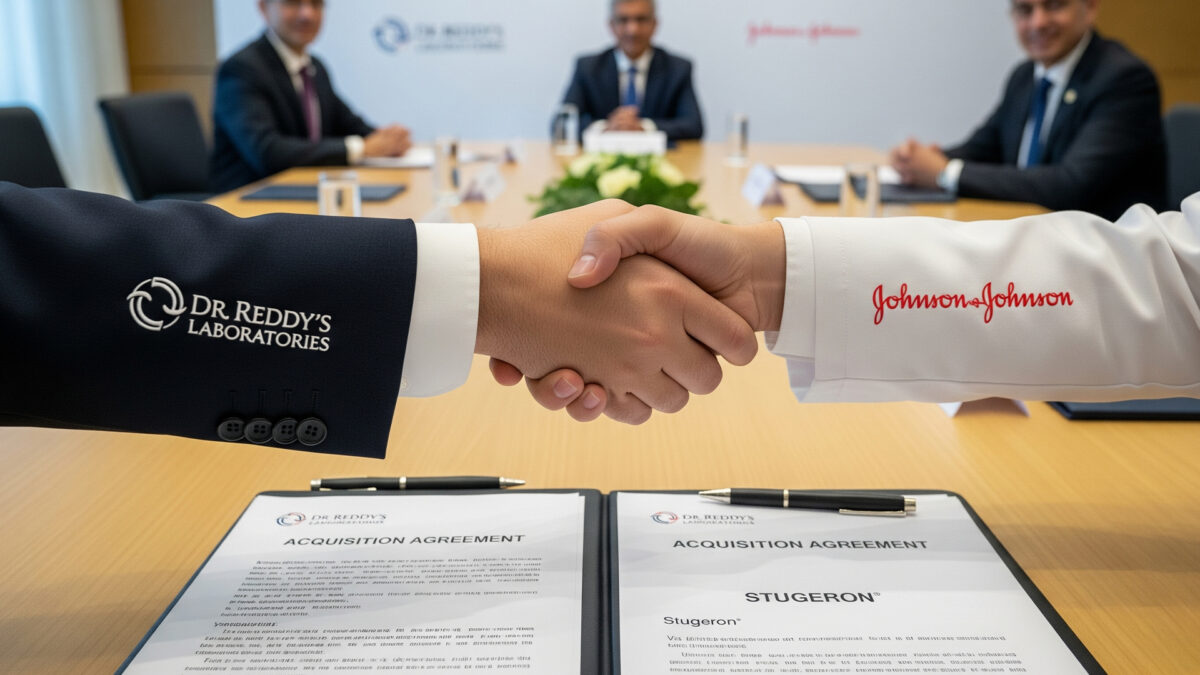
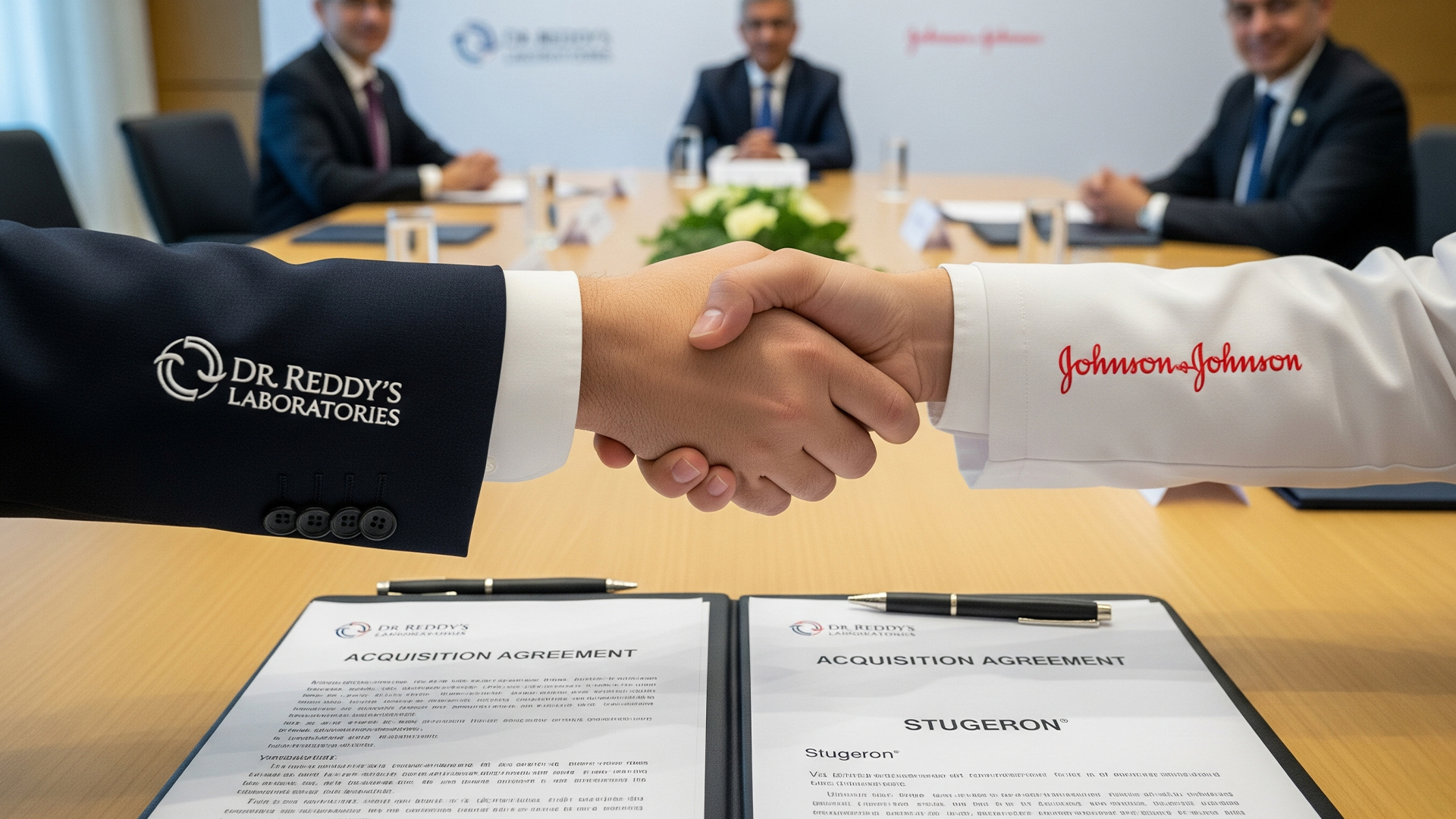
Dr. Reddy’s Laboratories has announced the acquisition of the popular anti-vertigo brand Stugeron from Janssen Pharmaceutica NV, a subsidiary of Johnson & Johnson, in a deal valued at $50.5 million. The move marks the pharmaceutical major’s entry into the anti-vertigo therapeutic segment and is aimed at expanding its Central Nervous System (CNS) portfolio.

The deal includes three key formulations—Stugeron, Stugeron Forte, and Stugeron Plus, which are based on Cinnarizine, an antihistamine widely used in the treatment of motion sickness and vestibular disorders such as vertigo.

As part of the agreement, Dr. Reddy’s will acquire the rights to the Stugeron brand across 18 international markets, with a strong presence in the Asia-Pacific (APAC) and Europe, Middle East, and Africa (EMEA) regions. India and Vietnam are among the key markets where the brand already holds a significant position.

“This acquisition aligns with our strategy of strengthening our branded business in emerging markets and enhancing our CNS portfolio,” the company said in a statement.

Following the announcement, Dr. Reddy’s shares fell by 1.6% on the BSE, touching an intraday low of ₹1,283.20. Analysts attributed the decline to near-term investor caution around deal integration and the broader market environment, though the move is seen as strategically positive for long-term growth.

The acquisition comes shortly after Dr. Reddy’s reported its first-quarter results for FY26. The company posted a 2% year-on-year increase in consolidated net profit, reaching ₹1,418 crore, while revenue rose 11% YoY to ₹8,545 crore. On a sequential basis, however, net profit declined by 11%, with revenue growth remaining flat.

With this acquisition, Dr. Reddy’s aims to deepen its presence in specialized therapies and bolster its product offerings in key growth markets. The company expects the deal to contribute to both revenue and brand visibility in the medium term.

Categories
Corporate

Tega Industries, Apollo Funds Consortium to Acquire Molycop in $1.5 Billion Deal

Tega Industries, Apollo Funds Consortium to Acquire Molycop in $1.5 Billion Deal

Strategic acquisition expands Tega’s global reach in mining consumables

Sreelatha M

11 September 2025

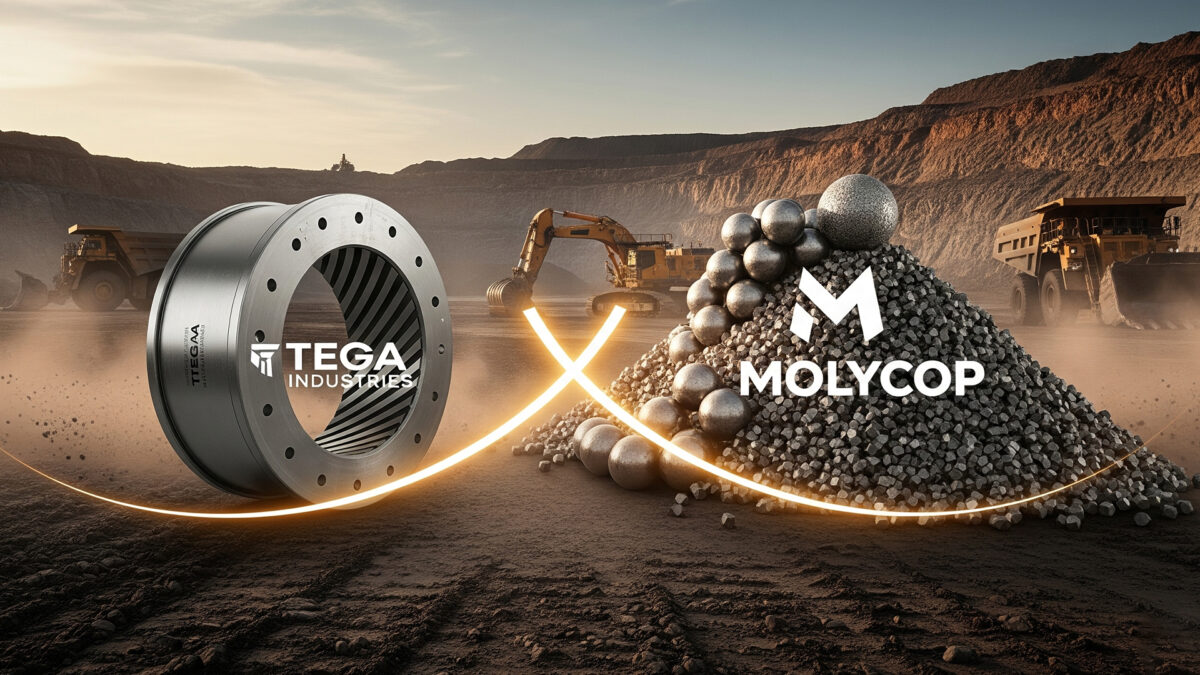
Tega Industries Ltd., in collaboration with affiliates of Apollo Global Management, has signed a term sheet to acquire Molycop, a leading global supplier of grinding media for the mining industry, from American Industrial Partners (AIP). The enterprise value of the deal is approximately $1.5 billion, with the transaction expected to close by December 31, 2025, subject to regulatory approvals and customary closing conditions.

This strategic acquisition will position Tega Industries as a global leader in designing and manufacturing “critical-to-operate” consumables essential for mining, mineral processing, and material handling operations. The combined entity is projected to generate annual revenues of $1.73 billion (around ₹15,207 crore) and EBITDA of $217 million (approximately ₹1,906 crore).

Under the terms of the agreement, Tega Industries will hold the role of controlling shareholder, while Apollo Funds will maintain a significant minority equity stake. The consortium plans to focus on integration during the first two years, leveraging complementary product portfolios to offer advanced mill optimization solutions.

The merged organization will operate 26 manufacturing sites globally, including Molycop’s 13 facilities and three joint ventures. Tega’s existing strong presence in Europe, West Asia, Africa, and Latin America will be complemented by Molycop’s well-established footprint in the United States, Canada, and Australia, creating a more diversified and balanced global network.

Following the announcement, Tega Industries’ share price saw a 4% decline, reflecting market reactions to the significant acquisition.

Furthermore, Tega Industries’ board of directors is scheduled to meet on September 13, 2025, to deliberate on raising funds through the issuance of equity shares, debt instruments, or other eligible securities. Possible fundraising modes include private placement, preferential allotment, or qualified institutional placement (QIP).

This transformative acquisition reinforces Tega Industries’ ambition to lead innovation in mining consumables and enhance its global competitiveness, setting the stage for further strategic expansion.