Categories
Corporate

GRSE Secures $62.44 Million Contract with German Firm for Hybrid Vessels

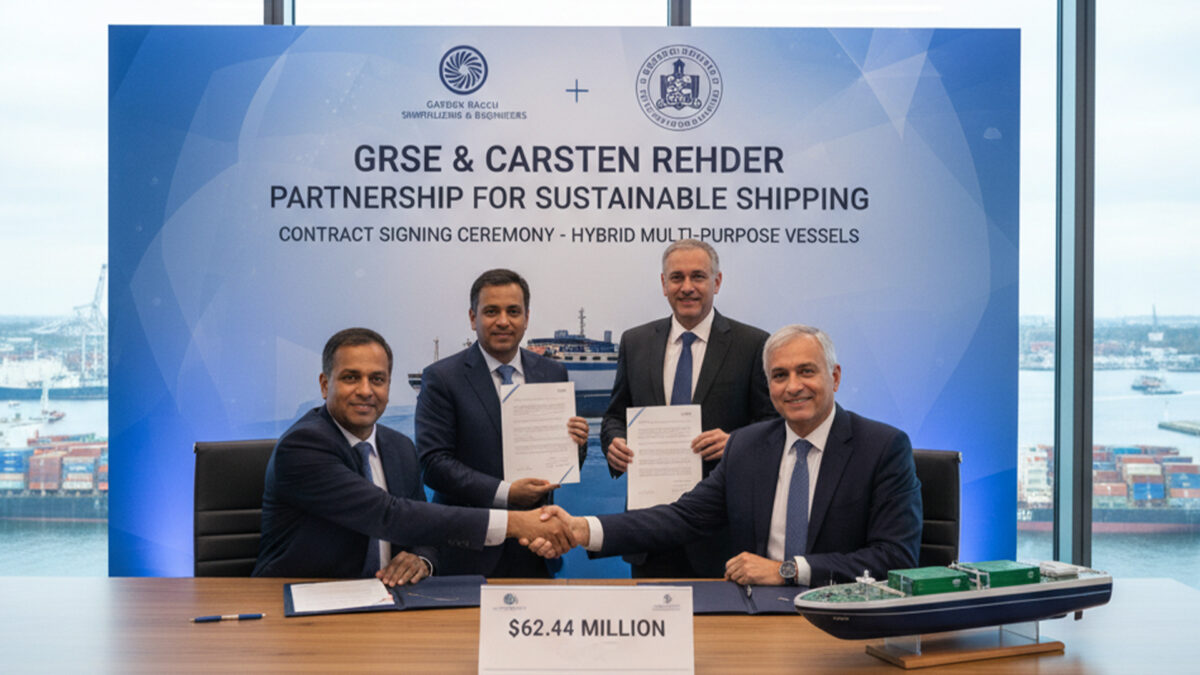
Garden Reach Shipbuilders & Engineers Ltd (GRSE), a leading Indian shipbuilder, has signed a contract valued at $62.44 million with Germany’s Carsten Rehder Schiffsmakler und Reederei GmbH & Co. KG. The agreement, finalized in Hamburg, Germany, entails the construction of four hybrid multi-purpose vessels (MPVs), with an option to build two additional vessels.

The hybrid MPVs are designed to be 120 meters in length and 17 meters in width, with a cargo capacity of 7,500 tonnes per vessel. These vessels will feature battery-assisted hybrid propulsion systems, enhancing fuel efficiency and reducing emissions in line with the International Maritime Organization’s decarbonization targets.

This contract marks a significant milestone in GRSE’s expansion into the international commercial shipbuilding market. It underscores India’s growing presence in the global maritime industry and supports the government’s “Make in India, Make for World” initiative, highlighting the country’s ability to deliver technologically advanced and sustainable shipping solutions.

The partnership between GRSE and Carsten Rehder builds on a previous successful collaboration on a 7,500 DWT MPV project currently under execution in Kolkata. Industry observers note that the ongoing relationship demonstrates mutual confidence and GRSE’s capability to meet international standards for commercial vessels.

Following the announcement, shares of GRSE experienced a notable uptick, reflecting investor optimism about the company’s expanding order book and strategic direction. Analysts have highlighted that international contracts such as this not only enhance revenue visibility but also strengthen GRSE’s position as a competitive player in the global shipbuilding sector.

GRSE’s move into hybrid propulsion technology is in line with global trends emphasizing sustainability and energy efficiency in maritime transport. With increasing pressure on shipbuilders worldwide to reduce greenhouse gas emissions, the incorporation of hybrid systems positions the company favorably in future tenders and contracts.

The company’s order book now includes both domestic naval projects and international commercial contracts, signaling a diversification strategy that balances traditional government work with global commercial opportunities. Senior GRSE officials have stated that the company is actively exploring additional partnerships with overseas firms to further expand its portfolio of environmentally sustainable vessels.

Industry experts believe that such international engagements will contribute to technological know-how, workforce skill development, and long-term revenue growth for GRSE. By delivering on these hybrid vessel contracts, the company aims to establish a benchmark for Indian shipbuilders in advanced, eco-friendly maritime engineering.

The deal also reflects a broader trend of Indian shipyards increasingly securing contracts from European and global shipping companies, which are seeking reliable partners to meet stricter environmental and operational standards. GRSE’s ability to deliver high-quality hybrid vessels on schedule is expected to enhance its reputation and open doors to further collaborations in the international shipping market.

With the construction of the four hybrid MPVs set to begin soon, GRSE is poised to strengthen its foothold in both domestic and global shipbuilding, combining cutting-edge technology with sustainable practices to meet the evolving demands of the maritime industry.

Categories
Corporate

NTPC Eyes Overseas Uranium Assets to Fuel Nuclear Expansion

India’s largest power producer, NTPC Ltd, is venturing into the global uranium market to secure a stable fuel supply for its ambitious nuclear energy projects.

Established in 1975 as a thermal-based power generator, NTPC has been diversifying its energy portfolio to include renewable and nuclear energy sources. The company currently boasts an installed capacity of 83,026 MW across various fuel sources, including coal, gas, hydro, and solar.

To bolster its nuclear energy initiatives, NTPC has approved a draft Memorandum of Understanding (MoU) with Uranium Corporation of India Ltd (UCIL) for joint techno-commercial due diligence of overseas uranium assets.

This collaboration aims to ensure a consistent and secure supply of uranium fuel for NTPC’s future nuclear projects. The company is also in discussions with U.S.-based Clean Core Thorium Energy to explore the development and deployment of advanced nuclear fuel technologies.

NTPC’s nuclear energy strategy includes both joint ventures and independent projects. The company has formed a joint venture with the Nuclear Power Corporation of India Ltd (NPCIL) called Anushakti Vidhyut Nigam Ltd (ASHVINI), which is developing the Mahi Banswara Nuclear Power Project in Rajasthan. This project, with a total capacity of 2,800 MW, is expected to commence operations by 2031 and reach full capacity by 2036. Additionally, NTPC has established a subsidiary, NTPC Parmanu Urja Nigam Ltd (NPUNL), to explore and develop nuclear projects independently.

The Indian government has set an ambitious goal to achieve 100 GW of nuclear power capacity by 2047, up from the current 8 GW. NTPC’s plans align with this national objective, aiming to contribute significantly to the country’s clean energy transition. The company’s efforts to acquire overseas uranium assets are a strategic move to mitigate potential fuel supply risks and ensure the sustainability of its nuclear power initiatives.

As NTPC continues to expand its nuclear energy capabilities, the acquisition of overseas uranium assets will play a crucial role in supporting the company’s long-term energy security and contributing to India’s broader clean energy goals.

Categories
Corporate

Adani Stock is ‘Crashing’ But Nothing to Worry: Here’s Why

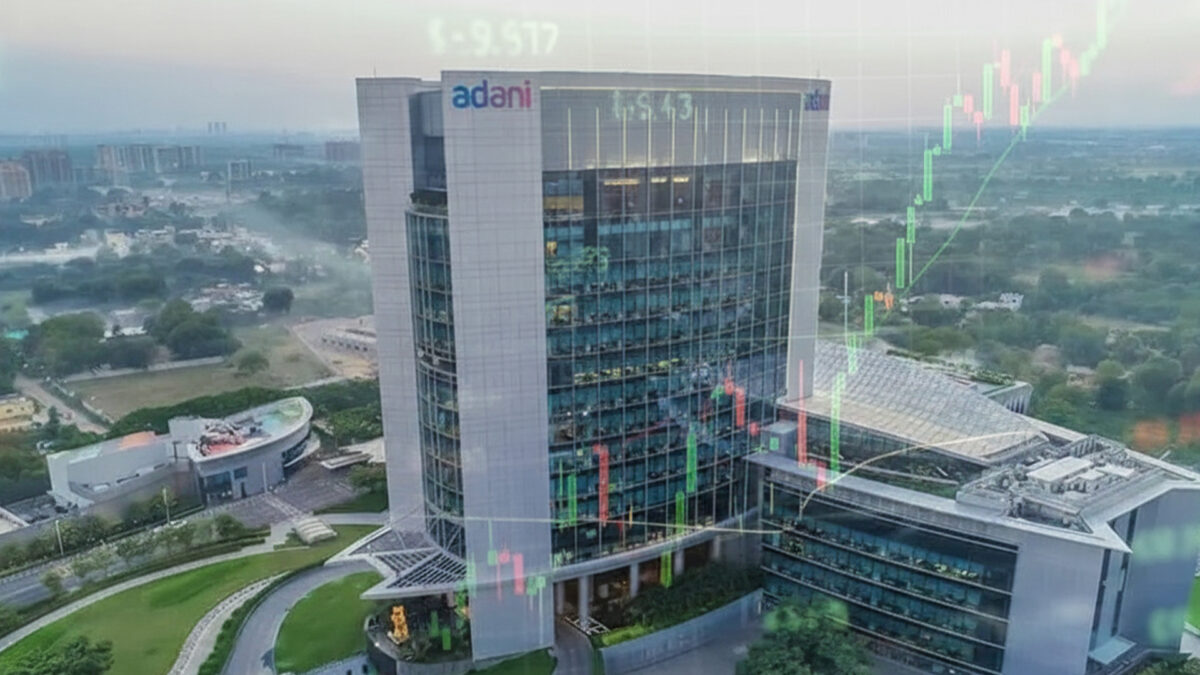
Adani Power shares appeared to have plunged nearly 80 percent in a single session on September 22, sparking alarm among investors. But the dramatic drop was purely technical, a result of the company’s first-ever 1:5 stock split, and the reality is far rosier — the stock actually jumped more than 18 percent after turning ex-bonus, hitting a fresh record high.

The board of Adani Power had approved the stock split in August, with the record date for determining shareholder eligibility set for September 22. The move increases the number of shares in circulation, making them more affordable for retail investors without altering the overall value of holdings.

For example, if a shareholder owned 10 shares worth Rs 100 each before the split, they would hold 50 shares at Rs 20 each after the split. The total value of the holding remains unchanged at Rs 1,000.

Stock splits are a common corporate action aimed at boosting liquidity. By increasing the number of shares available at a lower price, companies make it easier for smaller investors to participate, which can create strong upside potential over time. Adani Power specifically noted that the split was intended to encourage greater retail participation and enhance trading activity.

Following the split, Adani Power shares adjusted to reflect the corporate action, giving the impression of a steep fall. In reality, the stock surged over 18 percent to reach a 52-week high of Rs 168.80 per share.

Market watchers remain optimistic. Morgan Stanley recently initiated coverage on Adani Power with an ‘overweight’ rating, calling it a prime example of a turnaround story in India’s corporate landscape. The brokerage highlighted the company’s strong earnings potential, driven by timely project completions and future power purchase agreements, naming it a “top pick” in the Indian power sector.

In short, the apparent crash is nothing to worry about — it’s just the stock split in action, and investor sentiment remains robust.

Also Read: Apple Enters India’s Top 5 as Smartphone Market Grows 2% in H1 2025

Categories
Corporate

OIL, ONGC to Launch ₹3,200 Crore Offshore Drilling Drive in 2026

State-run explorers Oil and Natural Gas Corporation (ONGC) and Oil India Ltd (OIL) will begin a ₹3,200 crore stratigraphic drilling campaign in early 2026, targeting unexplored offshore sedimentary basins in a bid to expand domestic hydrocarbon reserves and curb reliance on costly imports.

Senior officials confirmed that the programme, backed by government funding, will be one of the largest exploration pushes in recent years.

The first phase of the campaign will see four test wells drilled in the deep waters of the Andaman Sea, Mahanadi, Saurashtra and Bengal basins. These frontier regions have long been identified as having the potential for sizeable oil and gas finds but have remained largely untapped due to high costs, technical risks and regulatory constraints.

Global major BP has been brought on board to provide technical expertise, helping to identify drilling sites and guide operations. The data generated from the stratigraphic wells will allow scientists to create detailed subsurface profiles, offering critical insights into whether the basins contain commercially viable reserves.

The government has pledged to bear the full cost of the campaign, with ONGC and OIL carrying out the operations. Any discoveries will remain under state ownership, and decisions on monetisation—whether through auctions, nominations or other mechanisms—will be taken later. Officials have not clarified if BP will have any preferential rights in case of commercial finds.

The project comes at a time when India is seeking to strengthen its energy security amid rising demand and volatile global oil prices. The country currently imports nearly 88 percent of its crude oil and around half its natural gas requirements. Exploration coverage remains low, with only about a tenth of India’s sedimentary basin area under active work. The government has recently opened up vast swathes of the exclusive economic zone for drilling, cutting “no-go” areas by nearly 99 percent in order to attract investment.

Stratigraphic drilling is expected to play a crucial role in narrowing India’s knowledge gap in these remote basins. While the wells themselves are not designed for immediate production, they will provide continuous coring and geological data that can help assess the commercial viability of future exploration. Industry experts say it may take several quarters after drilling begins to interpret the results and determine the scale of any hydrocarbon deposits.

The campaign is part of a broader strategy that includes reforms to pricing formulas for gas from difficult and deep-sea areas, aimed at making exploration more viable for investors. By launching one of its most ambitious offshore drilling drives to date, India is signalling its intent to move beyond traditional onshore assets and into deepwater plays that could reshape its energy landscape.

Also Read: Trump’s India Strategy Could Backfire on US Giants: Here’s how

Categories
Corporate

Vijay Kedia-backed TechD Cybersecurity Lists at 90% Premium

TechD Cybersecurity had a stellar debut on the NSE Emerge platform on September 22, opening at Rs 366.70 per share — almost 90 percent higher than its issue price of Rs 193.

Despite the strong listing, the gains fell short of what the grey market had been signalling. Prior to listing, TechD’s shares were commanding about Rs 403 apiece in the unofficial market, reflecting a 109 percent premium over the issue price, as per Investorgain data.

SME IPO sees record-breaking demand
The SME issue, backed by noted investor Vijay Kedia, witnessed frenzied demand during its subscription window from September 15 to 17. Overall, the IPO was booked nearly 668 times. The price band for the offer was fixed at Rs 183–193 per share.

Among categories, non-institutional investors dominated the response, subscribing 1,279.4 times their quota. The retail portion attracted bids 726 times the shares on offer, while the qualified institutional buyers’ category was subscribed 284.17 times.

Applications were allowed in lots of 600 shares, requiring a minimum outlay of about Rs 1.16 lakh.

From the IPO proceeds, the company plans to channel Rs 26.09 crore into expanding its workforce and Rs 5.9 crore into establishing a Global Security Operation Centre (GSOC) in Ahmedabad. The balance will be set aside for general corporate purposes.

GYR Capital Advisors was the lead manager for the TechD Cybersecurity IPO.

Categories
Corporate

Vodafone Idea Shares Surge 9% as Supreme Court Defers Hearing on Rs 9,450-Crore AGR Demand

Vodafone Idea’s shares jumped 9% on Friday after the Supreme Court postponed the hearing on the telecom giant’s challenge to a fresh Rs 9,450-crore adjusted gross revenue (AGR) demand from the Centre. The government requested more time to respond, prompting the deferment.

Solicitor General Tushar Mehta, representing the government, told the bench that since it now holds a significant stake in Vodafone Idea, a solution protecting consumer interests must be explored. The Centre requested that the case be listed again on September 26 for urgent consideration, stating it was not opposing Vodafone Idea’s plea.

At 12:45 pm, Vodafone Idea shares on the NSE were trading 11% higher at Rs 8.69 per share.

The case traces back to the Supreme Court’s March 18, 2020 order, which upheld AGR dues up to FY17 as calculated by the Department of Telecommunications (DoT) and barred any reassessment by operators. Despite this, DoT has issued fresh claims for FY18 and FY19. Vodafone Idea argued in its September 8 petition that much of the new demand overlaps with periods already settled by the Court.

The government currently owns 48.99% of Vodafone Idea, having converted Rs 53,083 crore of dues into equity in two tranches in February 2023 and April 2025. Of the Rs 9,450-crore demand, Rs 2,774 crore pertains to Idea Group and Vodafone Idea post-merger, while Rs 6,675 crore targets Vodafone Group for the pre-merger period.

Vodafone Idea already has AGR liabilities of about Rs 83,400 crore, with annual instalments of Rs 18,000 crore starting March. Including penalties and interest, total dues to the government are estimated at nearly Rs 2 trillion.

The telco argued that Rs 5,606 crore of the fresh demand relates to FY17 and earlier, which has already been settled by the 2020 order, and requested the Court to quash DoT’s new claims and conduct a full reconciliation of AGR dues. It warned that the additional liability could threaten its survival, affecting services to 198 million subscribers and jeopardising jobs of over 18,000 employees, along with many more indirectly dependent on the company.

Vodafone Idea also contested DoT’s revised calculations on licence fees and spectrum usage charges, stating that including spectrum charges up to FY17 would push additional dues to around Rs 6,800 crore as of March 2025. In an August 13 communication, DoT said updated licence fee dues up to FY19 were not considered in the 2020 order and recalculated amounts with penalties and interest compounded at 8% per year until March 2025. Vodafone Idea, in its August 28 reply, rejected these figures, accepting interest only on Rs 58,254 crore and highlighting “material errors” in DoT’s FY18 and FY19 calculations.

Categories
Corporate

Hind Rectifiers Strengthens European Presence with BeLink Solutions Acquisition

Hind Rectifiers Ltd., a leading player in power electronics, has strengthened its presence in Europe by acquiring BeLink Solutions, a well-established French company specializing in robotics, electronics manufacturing services (EMS), and research and development.

With 38 years of experience in the industry, BeLink Solutions offers Hind Rectifiers a significant foothold in the European market, enabling the company to enhance its manufacturing capabilities and broaden its global footprint.

Suramya Nevatia, Chairman, Managing Director, and CEO of Hind Rectifiers, emphasized that the acquisition aligns with the company’s vision to become a global leader in advanced electronics manufacturing and innovation.

“This strategic move allows us to combine Hind Rectifiers’ deep expertise in power electronics with BeLink’s cutting-edge robotics and R&D capabilities. Together, we are well-positioned to meet the growing demand for mobility, energy solutions, and industrial automation across international markets,” Nevatia said.

He further added that this acquisition is a foundational step in the company’s global expansion strategy, enabling it to drive growth through a blend of operational excellence and technological innovation.

The integration of BeLink Solutions is expected to enhance Hind Rectifiers’ manufacturing scale while accelerating its innovation pipeline, helping the company stay competitive in a rapidly evolving electronics landscape.

This acquisition marks a significant milestone in Hind Rectifiers’ journey to broaden its global presence and deliver advanced technology solutions worldwide.

Also Read: Vedanta Named Preferred Bidder for Manganese Block in Andhra Pradesh

Categories
Corporate

Vedanta Named Preferred Bidder for Manganese Block in Andhra Pradesh

Vedanta Limited has been named the Preferred Bidder for the Punnam Manganese Block in Andhra Pradesh, following a successful e-auction conducted by the state government. The block, located in the Vizianagaram district, covers an area of approximately 152 hectares and is currently at the G4 exploration stage, indicating early-stage geological investigation.

The Department of Mines & Geology, Government of Andhra Pradesh, had initiated the auction process with a Notice Inviting Tender on July 10, 2025, offering a Composite License that includes rights for both exploration and eventual mining. Vedanta qualified through the technical evaluation phase and subsequently participated in the online bidding process. On September 18, 2025, the company was officially informed of its selection as the Preferred Bidder.

As part of the next steps, Vedanta will need to fulfil several key requirements before being awarded the Composite License. These include submitting a Performance Bank Guarantee, complying with all conditions set out in the tender documents, and obtaining the necessary approvals, clearances, and permits from various government departments and regulatory bodies.

This move aligns with Vedanta’s broader strategy to strengthen its mineral resource base and expand its presence in the mining sector, particularly in key non-ferrous minerals such as manganese. The announcement also brought Vedanta’s shares into focus, with market analysts closely watching how the development could impact the company’s resource portfolio and long-term growth plans.

Also Read: Gujarat Fluorochemicals Promoter Offloads ₹460 Crore Stake, Trims Holding to 61.4%


Categories
Corporate

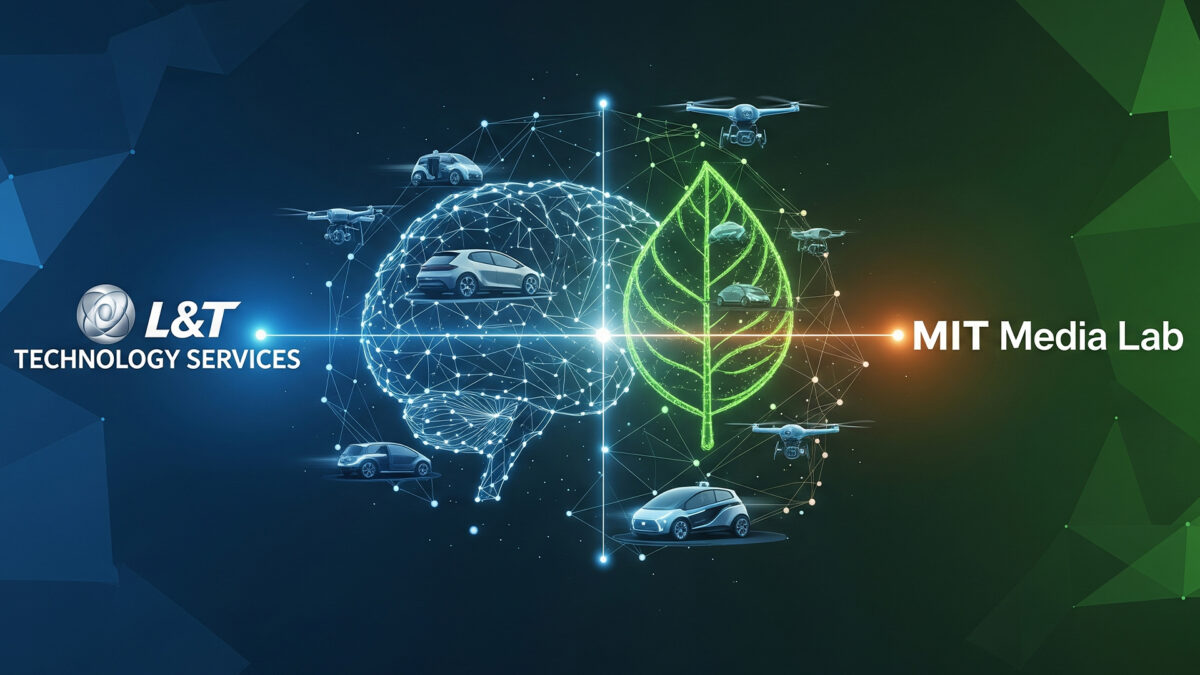
L&T Technology Services Joins MIT Media Lab to Advance AI and Sustainability

L&T Technology Services (LTTS), a leading global digital engineering and R&D services company, has entered into a multi-year membership agreement with the Massachusetts Institute of Technology (MIT) Media Lab. The partnership is aimed at accelerating innovation in artificial intelligence (AI), sustainability, and future mobility solutions.

Under the agreement, LTTS becomes part of the MIT Media Lab’s prestigious consortium, gaining access to its interdisciplinary research ecosystem. This collaboration enables LTTS to work closely with a global network of researchers, industry leaders, and technology experts to co-develop cutting-edge solutions addressing complex, real-world challenges.

LTTS plans to leverage this partnership to blend its engineering and AI expertise with the Media Lab’s forward-thinking approach. Key areas of focus will include smarter mobility systems, resilient urban infrastructure, and sustainable engineering practices.

“This collaboration with MIT Media Lab marks a significant milestone in our innovation journey,” said a spokesperson from LTTS. “It will allow us to co-create breakthrough technologies that drive measurable impact across industries.”

The engagement also provides LTTS with access to advanced research initiatives, collaborative workshops, and innovation platforms, reinforcing the company’s strategic goal of staying at the forefront of digital transformation and sustainability.

With this collaboration, LTTS strengthens its position as a global innovation leader committed to shaping a smarter, more connected, and environmentally responsible future.

Also Read: Hyundai India Approves ₹31,000 Monthly Pay Hike for Employees

Categories
Corporate

Roche to Acquire 89bio for Up to $3.5 Billion

Roche has entered into a definitive merger agreement to acquire clinical-stage biopharmaceutical company 89bio, Inc. in a deal valued at up to $3.5 billion.

Under the terms of the agreement, an affiliate of Roche will commence a tender offer to purchase all outstanding shares of 89bio at $14.50 per share in cash at closing, representing an aggregate equity value of about $2.4 billion.

In addition, 89bio stockholders will receive a non-tradeable contingent value right (CVR) that could deliver up to an additional $6.00 per share upon achievement of specified regulatory or commercial milestones, bringing the total potential transaction value to roughly $3.5 billion.

The acquisition gives Roche ownership of pegozafermin, an investigational FGF21 analogue that 89bio is developing as a treatment for moderate to severe metabolic dysfunction-associated steatohepatitis (MASH).

Pegozafermin is currently in late-stage clinical development and is viewed by both companies as a potential therapy for a disease with substantial unmet medical need. Roche said the asset complements its cardiovascular, renal and metabolic disease portfolio and offers optionality for future combination development.

Financial markets reacted strongly to the announcement. Shares of 89bio surged sharply on the news, rising more than 80 percent in early trading as the market priced in Roche’s offer and the potential milestone payments.

Roche’s own shares showed mixed moves as investors assessed the strategic implications. Reports noted the cash portion of the deal values 89bio at about $2.4 billion on closing, with the CVR accounting for the upside to $3.5 billion.

Roche said the acquisition will be integrated into its pharmaceuticals division and that it expects the deal to strengthen its presence in therapies for liver and cardiometabolic diseases.

The companies indicated that Roche will work to advance pegozafermin through the remaining clinical programme and to prepare for potential regulatory submissions, while exploring how the candidate might fit alongside Roche’s broader development and commercial capabilities.

The press release noted that specific development and regulatory plans will be outlined as the integration proceeds.

The transaction remains subject to customary closing conditions, including expiration or termination of the tender offer, regulatory clearances, and other conditions specified in the merger agreement.

Roche will commence the tender offer promptly, and if the offer is successful, the companies will complete the merger and effect the payment at closing, with the CVR mechanism determining any contingent payments tied to future milestones. The timing of the closing will depend on procedural and regulatory steps.

The acquisition comes amid heightened competition among major pharmaceutical companies to build capabilities in obesity-related and metabolic disease areas, where FGF21 analogues and other novel mechanisms are attracting investment.

Pegozafermin’s late-stage status and the potential size of the MASH patient population underpin Roche’s willingness to offer a significant upfront cash consideration plus milestone-linked upside.

At the same time, regulatory review outcomes and commercial performance will determine the long-term value of the asset.

Roche has framed the acquisition as a way to enhance its cardiovascular, renal and metabolic (CVRM) portfolio by adding a late-stage therapeutic candidate for liver disease and bolstering options for future combination approaches in metabolic conditions.

89bio’s board and management have recommended the transaction to their shareholders, and 89bio will provide customary disclosures and updates as the tender offer proceeds.