Categories
Corporate

Nvidia to invest $100 billion in OpenAI in vast AI infrastructure pact

Nvidia and OpenAI have announced a major strategic partnership in which Nvidia will invest up to $100 billion in OpenAI to help build and deploy a new wave of AI infrastructure. The aim is to deploy at least 10 gigawatts of Nvidia computing systems to power OpenAI’s future models and services.

Under the agreement, the first gigawatt of these systems will be deployed in the second half of 2026, using Nvidia’s upcoming Vera Rubin platform. The investment by Nvidia is planned to be made progressively as each part of the infrastructure — each gigawatt of systems — is deployed.

OpenAI will purchase Nvidia’s data-centre chips, paying in cash, while Nvidia will also acquire a non-controlling stake in OpenAI. Neither company has yet disclosed every detail; they plan to finalize the exact terms in the coming weeks.

OpenAI’s CEO Sam Altman said the move reflects how vital computing power is for AI breakthroughs, now and in the future. Nvidia CEO Jensen Huang described the deal as “the next leap forward,” calling this deployment of massive-scale AI compute essential for the next era of intelligence.

The partnership comes amid intense competition among technology companies to build more AI data centres, to deliver faster, more powerful AI models. Demand for GPUs and other hardware to train and run large AI systems is rising steeply.

Market reaction was immediate: Nvidia’s shares rose by about 4% after the announcement, reflecting investor confidence in its growing role as a supplier of AI infrastructure.

Some analysts see the deal as raising regulatory questions, given the scale of Nvidia’s influence and OpenAI’s prominence in AI. But supporters argue that without this kind of investment, advances in AI could slow due to lack of sufficient infrastructure.

Also Read: JSW Energy Acquires Tidong Hydro Project for ₹1,728 Crore, Boosting Hydro Portfolio
Categories
Corporate

Government refuses to extend Vedanta’s contract for Cambay basin oil & gas block

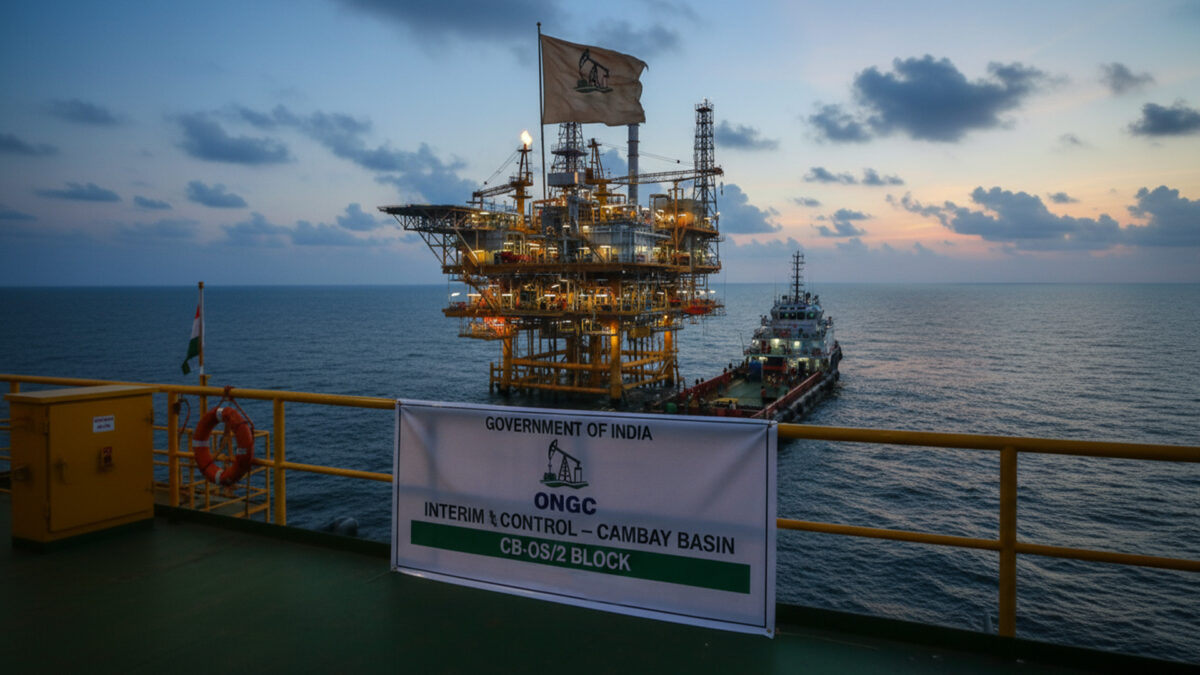
The Government of India has rejected the request from Vedanta’s unit, Vedanta Cairn Oil & Gas, to extend its Production Sharing Contract (PSC) for the offshore CB-OS/2 block in the Cambay basin, Gujarat. Instead, it has directed the state-owned Oil and Natural Gas Corporation (ONGC), which holds a 50 per cent stake, to take interim control of operations, assets, data, and ongoing management.

The CB-OS/2 block had been operated under Vedanta Cairn with a 40 per cent share, while Invenire Energy holds the remaining 10 per cent. The PSC for the block was originally signed on August 30, 1998, and expired on June 30, 2023. Vedanta and its partners had continued conducting operations while awaiting the government’s decision on the renewal of the contract.

The CB-OS/2 block includes the Lakshmi and Gauri fields. It currently produces around 3,400 barrels of oil per day and about 3.4 lakh standard cubic metres of gas daily. Reserves in the block, according to a 2019 report by DeGolyer & MacNaughton, are estimated at about 13.6 million barrels of oil and oil-equivalent gas.

In its filing, ONGC said the takeover is “purely interim,” intended to maintain continuity of petroleum operations in public interest and to safeguard reserves, until the block is re-awarded. Vedanta has contested some of the government’s positions, including objections raised by the Ministry of Petroleum & Natural Gas regarding its demerger plans, and disputes over how profit petroleum is computed in other blocks, especially Rajasthan.

Although this decision marks a setback for Vedanta, analysts believe the financial impact on the group will be limited. The CB-OS/2 block contributes less than 0.3 per cent to Vedanta’s overall EBITDA. Moreover, other key Vedanta blocks have already been granted extensions: the Rajasthan block RJ-ON-90/1 has been extended to May 14, 2030, and the Ravva field (PKGM-1) has been extended to October 27, 2029.

The refusal to renew the CB-OS/2 PSC and the transfer of interim control to ONGC follows a letter from the Ministry dated September 19 informing partners that the extension application “has not been accepted.” No specific reason was cited in the notification. Vedanta Cairn has denied allegations made by the ministry related to liabilities disclosure.

This development will have implications for Vedanta’s operations in the Cambay basin going forward, as ownership under the government nominee shifts in the short term, while the longer term future of the block remains to be decided.

Also Read: JSW Energy Acquires Tidong Hydro Project for ₹1,728 Crore, Boosting Hydro Portfolio
Categories
Corporate

JSW Energy Acquires Tidong Hydro Project for ₹1,728 Crore, Boosting Hydro Portfolio

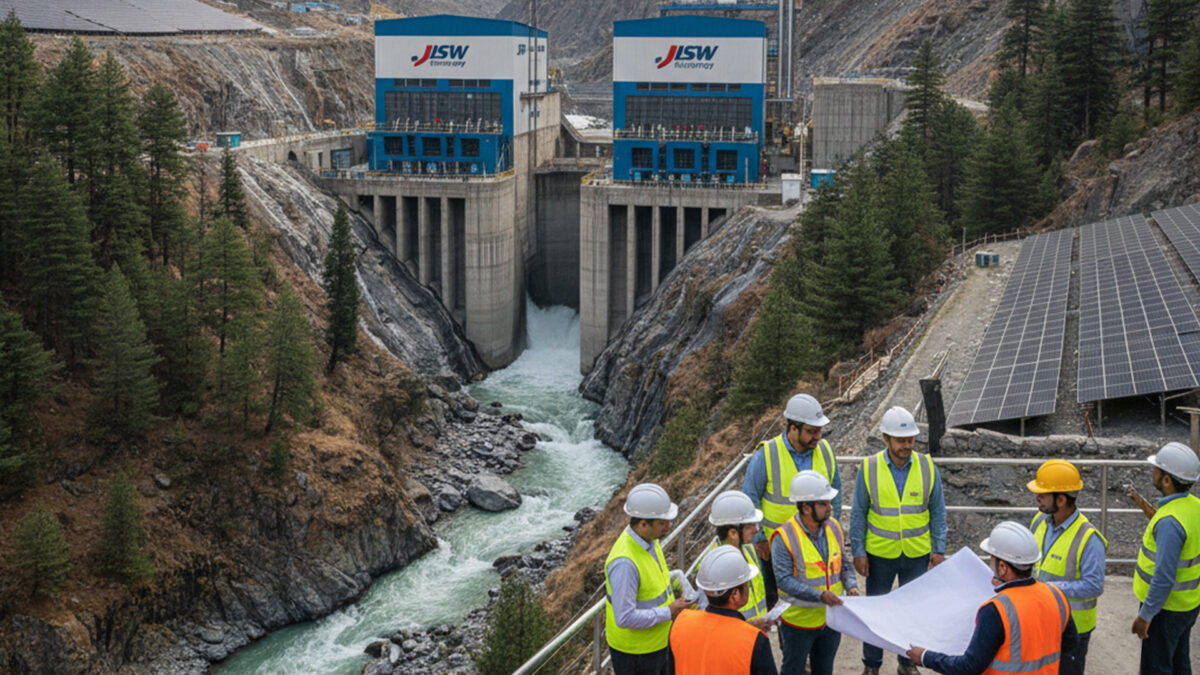
JSW Energy, through its renewable arm JSW Neo Energy, has entered into a definitive agreement to acquire Tidong Power Generation Private Limited from Norway’s Statkraft IH Holding AS for an enterprise value of ₹1,728 crore. The deal was formalised via regulatory filings in mid-September.

Tidong is developing a 150 megawatt (MW) run-of-river hydropower plant in the Tidong Valley of Kinnaur district, Himachal Pradesh. The acquisition involves a 100 percent share purchase, with JSW Neo Energy taking full equity and making Tidong a subsidiary, which in turn becomes a step-down subsidiary of JSW Energy once the transaction closes.

Under the project’s existing obligations, 75 MW of the capacity is tied up under a 22-year power purchase agreement (PPA) with Uttar Pradesh Power Corporation Limited. The PPA covers power supply during May through October — the peak load months — at a tariff of ₹5.57 per unit. The remaining 75 MW is untied, allowing JSW to sell that portion in the merchant market after commissioning.

The plant is expected to be commissioned in October 2026, subject to regulatory, environmental, state government, and lender approvals. Consent from the Himachal Pradesh government for change in controlling shareholding is among the required clearances.

With this acquisition, JSW Energy strengthens its position in hydropower. The company said its locked-in generation capacity — including operational, under-construction, and acquired assets with PPAs in effect — will rise to 30.5 gigawatts (GW), of which about 1.8 GW will be hydropower. JSW is also expanding its energy storage capacity, currently targeting 40 gigawatt-hours by fiscal year 2030. Renewables are expected to make up around 70 percent of its overall generation portfolio under its strategy.

Sharad Mahendra, Joint Managing Director and CEO of JSW Energy, described the Tidong acquisition as a “significant addition” to the company’s hydro portfolio and said the transaction brings additional skilled manpower and operational synergies, particularly given their prior experience in similar projects such as Kutehr and Karcham-Wangtoo.

For Statkraft, the sale is part of its strategy to rationalise its India portfolio. The company expressed confidence that JSW will continue developing and operating the Tidong project with competence and commitment, highlighting its potential contribution to India’s clean energy transition.

Markets reacted positively to the development, with shares of JSW Energy climbing after the announcement. Investors viewed the acquisition as reinforcing the company’s renewable credentials and strengthening its roadmap toward meeting clean energy and storage targets.

Also Read: Trump’s India Strategy Could Backfire on US Giants: Here’s how

Categories
Corporate

Amazon and Flipkart Launch Festive Sales Amid Record Demand

India’s leading e-commerce platforms, Amazon and Flipkart, have kicked off their flagship festive season sales — the Great Indian Festival and Big Billion Days — setting the stage for what could be the largest shopping season in the country’s online retail history.

These sales mark the beginning of the year’s most crucial period, traditionally accounting for nearly a quarter of annual revenues for both platforms.

Members of Flipkart Black and Amazon Prime, the respective subscription programs, were given early access starting September 22. The timing of the sales coincides with the implementation of a new goods and services tax (GST) regime, which reduced rates on big-ticket appliances such as air-conditioners, televisions, and dishwashers from 28 percent to 18 percent. This adjustment is expected to boost affordability and fuel demand in key festive categories.

Flipkart launched the 12th edition of the Big Billion Days with events at its Bengaluru campus. The company expects 250–300 million unique visitors during the sale itself, and over 350 million across the entire festival period. Supported by a workforce of 400,000 across warehouses, fulfilment centres, and delivery networks, Flipkart will serve 19,500 pin codes from 4,500 locations. The platform has also scaled up its operations with more than 100 fulfilment centres and nearly 400 micro-fulfilment hubs in 19 cities, offering express delivery through Flipkart Minutes and seasonal hiring of over 2.2 lakh workers.

Amazon has bolstered its network with 12 new fulfilment centres, six sortation hubs, and 1.5 lakh seasonal work opportunities across 400 cities. The company has also expanded checkout financing options, including Amazon Pay Later, to encourage spending across categories.

According to a report by Datum Intelligence, India’s festive season sales in 2025 are expected to rise by as much as 27 percent to ₹1.2 lakh crore, up from nearly ₹1 lakh crore in 2024 and ₹81,000 crore in 2023. The surge in demand is being driven by pent-up consumer interest from August, the GST rate cuts, and early access for subscription members.

Both Amazon and Flipkart are leveraging live commerce, influencer-led showcases, and short-form video content to engage shoppers, particularly in Tier-2 and Tier-3 cities and among Gen Z consumers. With logistics networks strengthened, festive hiring completed, and GST cuts incentivizing high-value purchases, the stage is set for what analysts expect could be the strongest festive season yet in India’s $1.2 lakh crore e-commerce market.

Also Read: GRSE Secures $62.44 Million Contract with German Firm for Hybrid Vessels

Categories
Beyond

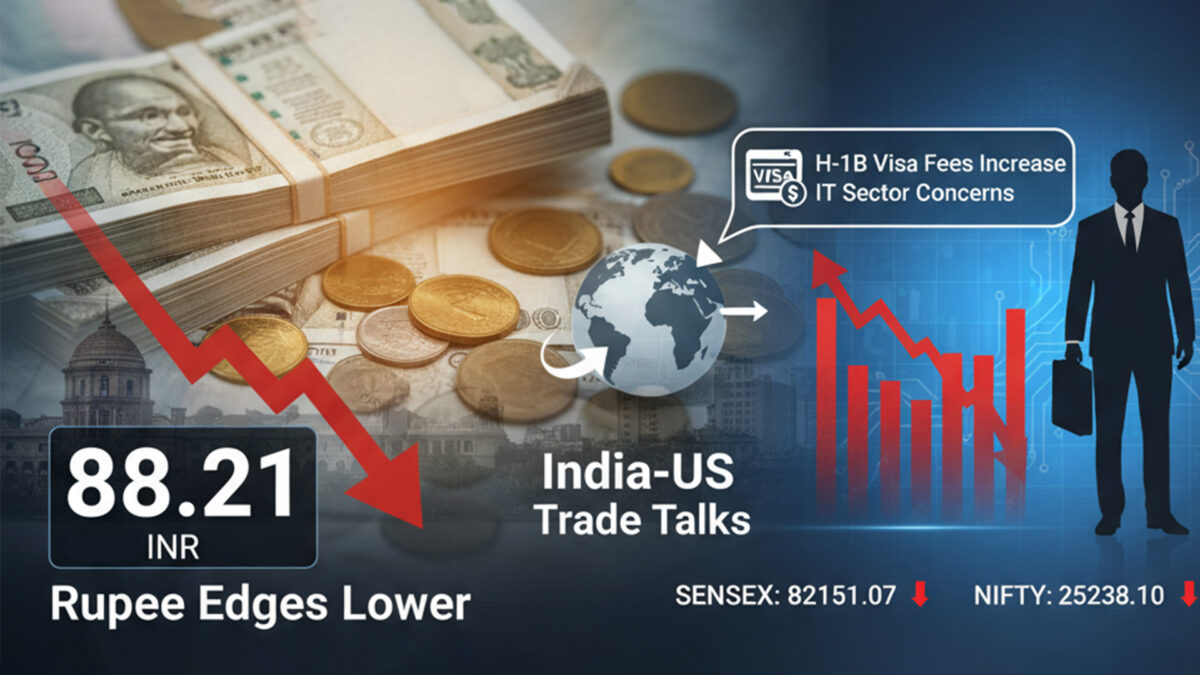
Rupee Edges Lower to 88.21 Amid Strong Dollar, IT Sector Concerns

Mumbai: The Indian rupee traded in a narrow range on Monday, September 22, 2025, and depreciated by 5 paise to 88.21 against the U.S. dollar. Strength in the American currency in overseas markets, coupled with a negative trend in domestic equities, weighed on investor sentiment.

Forex market participants noted that the recent increase in H-1B visa fees in the U.S. could impact the IT sector, potentially affecting company margins and reducing remittances due to slower employee deployments.

At the interbank foreign exchange market, the rupee opened at 88.20 before easing to 88.21. In the previous session on Friday, September 19, the currency had strengthened by 4 paise to close at 88.16.

The dollar index, which measures the greenback against a basket of six major currencies, gained 0.13% to 97.77. Global oil benchmark Brent crude was trading 0.66% higher at $67.12 per barrel in futures trade.

Domestic equities opened lower on Monday, with the Sensex down 475.16 points to 82,151.07 and the Nifty slipping 88.95 points to 25,238.10. Despite the early weakness, foreign institutional investors had net purchases worth ₹390.74 crore on Friday.

India’s foreign exchange reserves rose by $4.698 billion to $702.966 billion for the week ended September 12, following a $4.038 billion increase in the prior week, according to Reserve Bank of India data.

Meanwhile, Commerce and Industry Minister Piyush Goyal is scheduled to lead an official delegation to the U.S. on Monday for trade talks aimed at advancing negotiations for a mutually beneficial agreement. The delegation will visit New York and engage with U.S. officials to push for an early conclusion of the trade discussions.

Also Read: GRSE Secures $62.44 Million Contract with German Firm for Hybrid Vessels

Categories
Corporate

GRSE Secures $62.44 Million Contract with German Firm for Hybrid Vessels

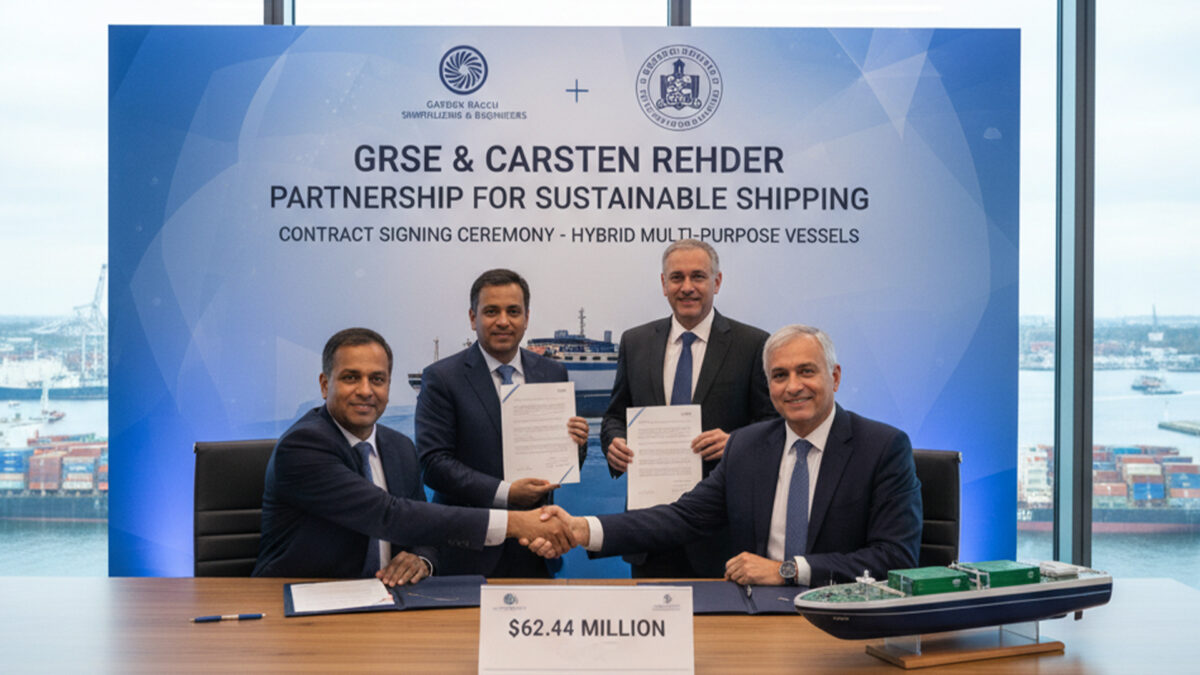
Garden Reach Shipbuilders & Engineers Ltd (GRSE), a leading Indian shipbuilder, has signed a contract valued at $62.44 million with Germany’s Carsten Rehder Schiffsmakler und Reederei GmbH & Co. KG. The agreement, finalized in Hamburg, Germany, entails the construction of four hybrid multi-purpose vessels (MPVs), with an option to build two additional vessels.

The hybrid MPVs are designed to be 120 meters in length and 17 meters in width, with a cargo capacity of 7,500 tonnes per vessel. These vessels will feature battery-assisted hybrid propulsion systems, enhancing fuel efficiency and reducing emissions in line with the International Maritime Organization’s decarbonization targets.

This contract marks a significant milestone in GRSE’s expansion into the international commercial shipbuilding market. It underscores India’s growing presence in the global maritime industry and supports the government’s “Make in India, Make for World” initiative, highlighting the country’s ability to deliver technologically advanced and sustainable shipping solutions.

The partnership between GRSE and Carsten Rehder builds on a previous successful collaboration on a 7,500 DWT MPV project currently under execution in Kolkata. Industry observers note that the ongoing relationship demonstrates mutual confidence and GRSE’s capability to meet international standards for commercial vessels.

Following the announcement, shares of GRSE experienced a notable uptick, reflecting investor optimism about the company’s expanding order book and strategic direction. Analysts have highlighted that international contracts such as this not only enhance revenue visibility but also strengthen GRSE’s position as a competitive player in the global shipbuilding sector.

GRSE’s move into hybrid propulsion technology is in line with global trends emphasizing sustainability and energy efficiency in maritime transport. With increasing pressure on shipbuilders worldwide to reduce greenhouse gas emissions, the incorporation of hybrid systems positions the company favorably in future tenders and contracts.

The company’s order book now includes both domestic naval projects and international commercial contracts, signaling a diversification strategy that balances traditional government work with global commercial opportunities. Senior GRSE officials have stated that the company is actively exploring additional partnerships with overseas firms to further expand its portfolio of environmentally sustainable vessels.

Industry experts believe that such international engagements will contribute to technological know-how, workforce skill development, and long-term revenue growth for GRSE. By delivering on these hybrid vessel contracts, the company aims to establish a benchmark for Indian shipbuilders in advanced, eco-friendly maritime engineering.

The deal also reflects a broader trend of Indian shipyards increasingly securing contracts from European and global shipping companies, which are seeking reliable partners to meet stricter environmental and operational standards. GRSE’s ability to deliver high-quality hybrid vessels on schedule is expected to enhance its reputation and open doors to further collaborations in the international shipping market.

With the construction of the four hybrid MPVs set to begin soon, GRSE is poised to strengthen its foothold in both domestic and global shipbuilding, combining cutting-edge technology with sustainable practices to meet the evolving demands of the maritime industry.

Categories
Corporate

NTPC Eyes Overseas Uranium Assets to Fuel Nuclear Expansion

India’s largest power producer, NTPC Ltd, is venturing into the global uranium market to secure a stable fuel supply for its ambitious nuclear energy projects.

Established in 1975 as a thermal-based power generator, NTPC has been diversifying its energy portfolio to include renewable and nuclear energy sources. The company currently boasts an installed capacity of 83,026 MW across various fuel sources, including coal, gas, hydro, and solar.

To bolster its nuclear energy initiatives, NTPC has approved a draft Memorandum of Understanding (MoU) with Uranium Corporation of India Ltd (UCIL) for joint techno-commercial due diligence of overseas uranium assets.

This collaboration aims to ensure a consistent and secure supply of uranium fuel for NTPC’s future nuclear projects. The company is also in discussions with U.S.-based Clean Core Thorium Energy to explore the development and deployment of advanced nuclear fuel technologies.

NTPC’s nuclear energy strategy includes both joint ventures and independent projects. The company has formed a joint venture with the Nuclear Power Corporation of India Ltd (NPCIL) called Anushakti Vidhyut Nigam Ltd (ASHVINI), which is developing the Mahi Banswara Nuclear Power Project in Rajasthan. This project, with a total capacity of 2,800 MW, is expected to commence operations by 2031 and reach full capacity by 2036. Additionally, NTPC has established a subsidiary, NTPC Parmanu Urja Nigam Ltd (NPUNL), to explore and develop nuclear projects independently.

The Indian government has set an ambitious goal to achieve 100 GW of nuclear power capacity by 2047, up from the current 8 GW. NTPC’s plans align with this national objective, aiming to contribute significantly to the country’s clean energy transition. The company’s efforts to acquire overseas uranium assets are a strategic move to mitigate potential fuel supply risks and ensure the sustainability of its nuclear power initiatives.

As NTPC continues to expand its nuclear energy capabilities, the acquisition of overseas uranium assets will play a crucial role in supporting the company’s long-term energy security and contributing to India’s broader clean energy goals.

Categories
Corporate

Adani Stock is ‘Crashing’ But Nothing to Worry: Here’s Why

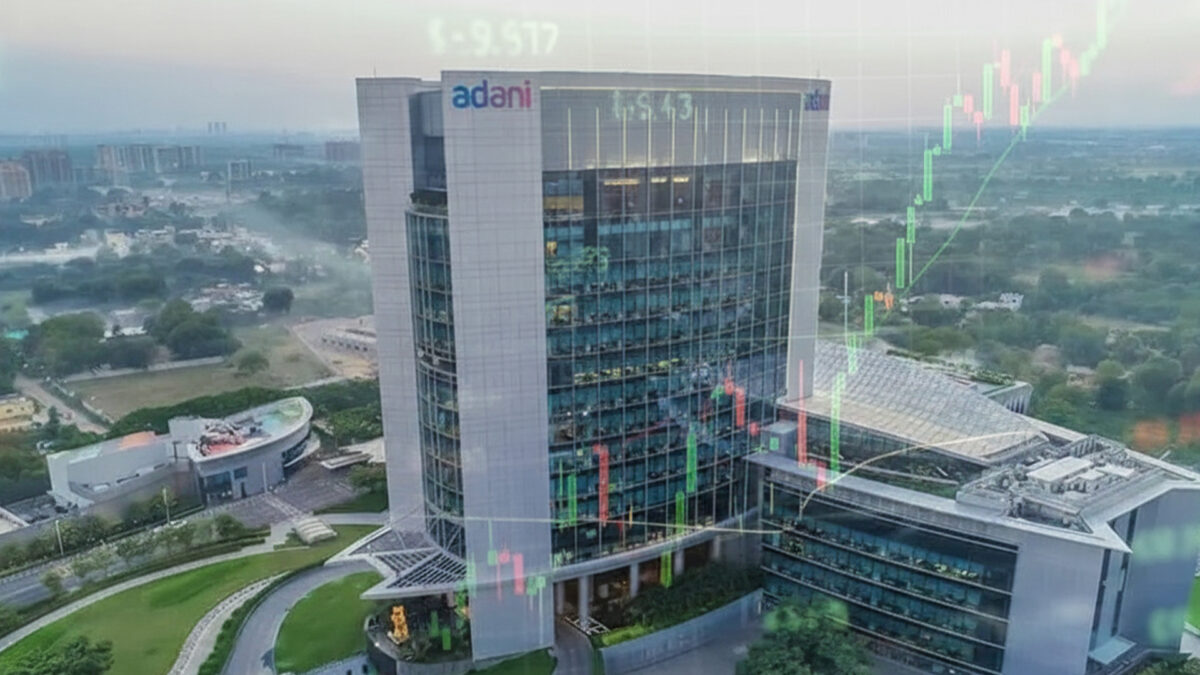
Adani Power shares appeared to have plunged nearly 80 percent in a single session on September 22, sparking alarm among investors. But the dramatic drop was purely technical, a result of the company’s first-ever 1:5 stock split, and the reality is far rosier — the stock actually jumped more than 18 percent after turning ex-bonus, hitting a fresh record high.

The board of Adani Power had approved the stock split in August, with the record date for determining shareholder eligibility set for September 22. The move increases the number of shares in circulation, making them more affordable for retail investors without altering the overall value of holdings.

For example, if a shareholder owned 10 shares worth Rs 100 each before the split, they would hold 50 shares at Rs 20 each after the split. The total value of the holding remains unchanged at Rs 1,000.

Stock splits are a common corporate action aimed at boosting liquidity. By increasing the number of shares available at a lower price, companies make it easier for smaller investors to participate, which can create strong upside potential over time. Adani Power specifically noted that the split was intended to encourage greater retail participation and enhance trading activity.

Following the split, Adani Power shares adjusted to reflect the corporate action, giving the impression of a steep fall. In reality, the stock surged over 18 percent to reach a 52-week high of Rs 168.80 per share.

Market watchers remain optimistic. Morgan Stanley recently initiated coverage on Adani Power with an ‘overweight’ rating, calling it a prime example of a turnaround story in India’s corporate landscape. The brokerage highlighted the company’s strong earnings potential, driven by timely project completions and future power purchase agreements, naming it a “top pick” in the Indian power sector.

In short, the apparent crash is nothing to worry about — it’s just the stock split in action, and investor sentiment remains robust.

Also Read: Apple Enters India’s Top 5 as Smartphone Market Grows 2% in H1 2025

Categories
Corporate

OIL, ONGC to Launch ₹3,200 Crore Offshore Drilling Drive in 2026

State-run explorers Oil and Natural Gas Corporation (ONGC) and Oil India Ltd (OIL) will begin a ₹3,200 crore stratigraphic drilling campaign in early 2026, targeting unexplored offshore sedimentary basins in a bid to expand domestic hydrocarbon reserves and curb reliance on costly imports.

Senior officials confirmed that the programme, backed by government funding, will be one of the largest exploration pushes in recent years.

The first phase of the campaign will see four test wells drilled in the deep waters of the Andaman Sea, Mahanadi, Saurashtra and Bengal basins. These frontier regions have long been identified as having the potential for sizeable oil and gas finds but have remained largely untapped due to high costs, technical risks and regulatory constraints.

Global major BP has been brought on board to provide technical expertise, helping to identify drilling sites and guide operations. The data generated from the stratigraphic wells will allow scientists to create detailed subsurface profiles, offering critical insights into whether the basins contain commercially viable reserves.

The government has pledged to bear the full cost of the campaign, with ONGC and OIL carrying out the operations. Any discoveries will remain under state ownership, and decisions on monetisation—whether through auctions, nominations or other mechanisms—will be taken later. Officials have not clarified if BP will have any preferential rights in case of commercial finds.

The project comes at a time when India is seeking to strengthen its energy security amid rising demand and volatile global oil prices. The country currently imports nearly 88 percent of its crude oil and around half its natural gas requirements. Exploration coverage remains low, with only about a tenth of India’s sedimentary basin area under active work. The government has recently opened up vast swathes of the exclusive economic zone for drilling, cutting “no-go” areas by nearly 99 percent in order to attract investment.

Stratigraphic drilling is expected to play a crucial role in narrowing India’s knowledge gap in these remote basins. While the wells themselves are not designed for immediate production, they will provide continuous coring and geological data that can help assess the commercial viability of future exploration. Industry experts say it may take several quarters after drilling begins to interpret the results and determine the scale of any hydrocarbon deposits.

The campaign is part of a broader strategy that includes reforms to pricing formulas for gas from difficult and deep-sea areas, aimed at making exploration more viable for investors. By launching one of its most ambitious offshore drilling drives to date, India is signalling its intent to move beyond traditional onshore assets and into deepwater plays that could reshape its energy landscape.

Also Read: Trump’s India Strategy Could Backfire on US Giants: Here’s how

Categories
Corporate

Vijay Kedia-backed TechD Cybersecurity Lists at 90% Premium

TechD Cybersecurity had a stellar debut on the NSE Emerge platform on September 22, opening at Rs 366.70 per share — almost 90 percent higher than its issue price of Rs 193.

Despite the strong listing, the gains fell short of what the grey market had been signalling. Prior to listing, TechD’s shares were commanding about Rs 403 apiece in the unofficial market, reflecting a 109 percent premium over the issue price, as per Investorgain data.

SME IPO sees record-breaking demand
The SME issue, backed by noted investor Vijay Kedia, witnessed frenzied demand during its subscription window from September 15 to 17. Overall, the IPO was booked nearly 668 times. The price band for the offer was fixed at Rs 183–193 per share.

Among categories, non-institutional investors dominated the response, subscribing 1,279.4 times their quota. The retail portion attracted bids 726 times the shares on offer, while the qualified institutional buyers’ category was subscribed 284.17 times.

Applications were allowed in lots of 600 shares, requiring a minimum outlay of about Rs 1.16 lakh.

From the IPO proceeds, the company plans to channel Rs 26.09 crore into expanding its workforce and Rs 5.9 crore into establishing a Global Security Operation Centre (GSOC) in Ahmedabad. The balance will be set aside for general corporate purposes.

GYR Capital Advisors was the lead manager for the TechD Cybersecurity IPO.