
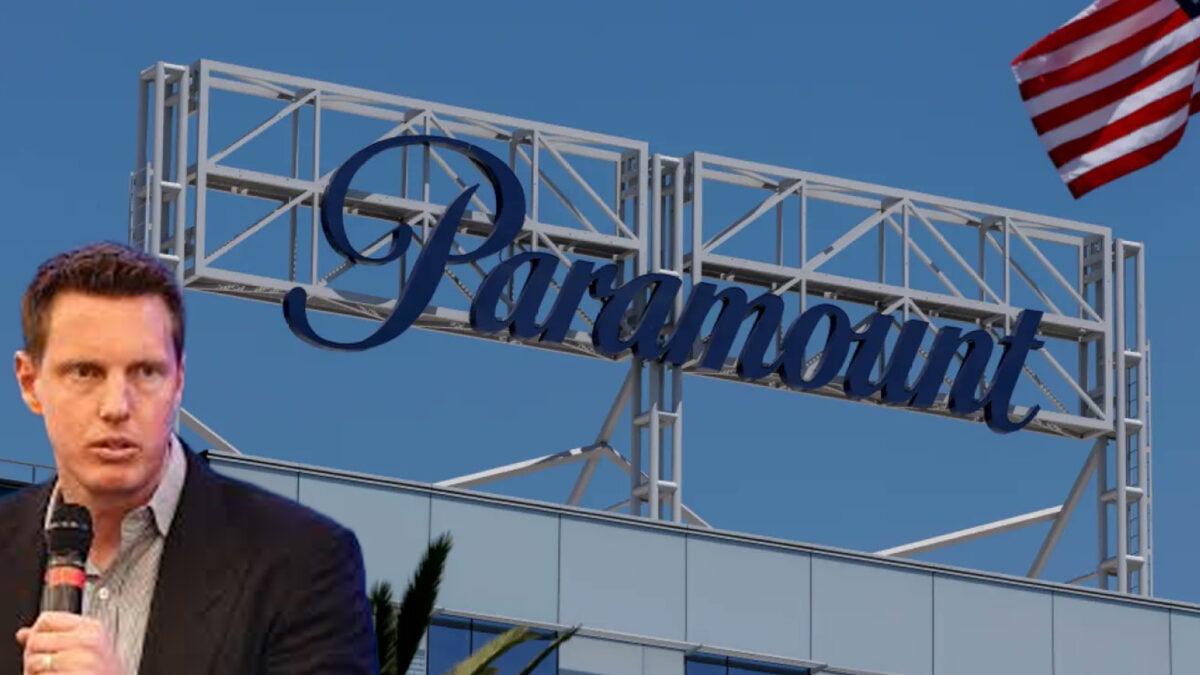
Around 600 employees at Paramount Skydance Corp. have opted to leave rather than comply with a new full-time office return policy, underlining growing tensions over workplace flexibility in the post-pandemic era.
The decision comes after the August 2025 merger between Paramount Global and Skydance Media, when CEO David Ellison issued a memo emphasizing that in-person collaboration is “absolutely vital” for company culture and success. Employees in the Los Angeles and New York offices were told to work from the office five days a week or accept a severance package.
About 600 staff, mainly at VP level and below, chose the buyout, costing the company approximately US $185 million. In corporate filings, the severance was described as part of “restructuring expenses… associated with actions to align the business around our strategic priorities,” with total expected restructuring costs reaching US $1.7 billion.
This move highlights the significant financial and human-resource implications of rigid return-to-office policies. Analysts note that many employees, even at senior levels, now prioritize flexibility and are willing to leave jobs if forced into strict in-office schedules.
Paramount’s policy mirrors trends at other major firms. Dell Technologies recently ended hybrid work for near-office-based employees, while Uber CEO Dara Khosrowshahi faced internal pushback for increasing required office days.
The episode reflects a broader shift in workplace expectations. Companies are being forced to balance cultural goals and in-person collaboration against employee demands for flexibility. For employees, the decision to stay or leave increasingly factors in remote work options, workplace culture, and quality of life considerations.
Paramount Skydance’s experience offers a cautionary tale of a rigid office policy can trigger massive attrition and financial costs, showing that flexibility is now a strategic priority in the modern workplace.
Also Read: Neville Tata, Bhaskar Bhat join Sir Dorabji Tata Trust