
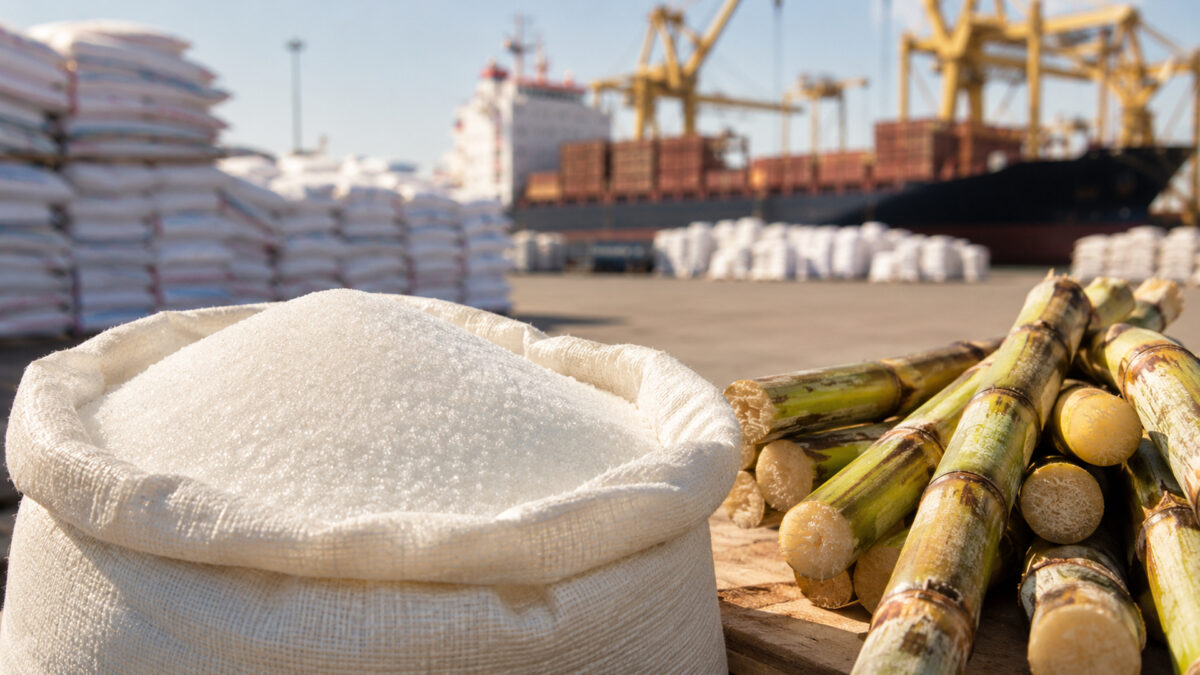
India’s sugar market is showing early signs of easing after a sharp price surge, with refiners preparing to divert about 350,000 tonnes of sugar originally meant for export to the domestic market. The move is expected to improve supplies at a time when demand is rising ahead of the festive season and could put further pressure on sugar prices in the coming days.
People familiar with the development said the refiners have received approval to redirect the export-bound stocks to Indian buyers. The sugar could reach domestic buyers within a week. The additional quantity is significant enough to cover nearly five days of India’s total sugar consumption, offering a quick supply boost to a market that has been under pressure in recent weeks.
The development comes after the government stepped in to prevent sugar prices from rising further. Last week, the Centre allowed duty-free imports of 1 million tonnes of raw sugar, imposed stockholding limits on bulk consumers and ordered stronger checks against hoarding and speculative activity. These measures have already started affecting prices at the mill level.
Food Secretary Sanjeev Chopra said ex-mill sugar prices have fallen 18% from a record ₹67 per kg last week to around ₹55 per kg. He attributed the earlier spike largely to aggressive pricing by mills and said rates could decline further as government measures take effect.
However, the relief has not yet reached household consumers. Government data showed that the average retail sugar price actually rose for the second consecutive day on August 26, reaching ₹65.05 per kg from ₹63.97 per kg a day earlier. The increase reflects the strong demand associated with the festive season, while the decline in ex-mill prices is still taking time to move through wholesalers and retailers.
This difference between wholesale and retail prices is important for consumers. A fall in the ex-mill rate does not immediately translate into cheaper sugar in neighbourhood shops because traders, distributors and retailers may still be selling stocks purchased at higher prices. The impact of cheaper mill prices is therefore likely to become clearer only as older inventories are replaced by lower-cost supplies.
The government’s decision to allow imports was aimed at preventing a supply squeeze during the crucial August-November period, when sugar consumption traditionally rises because of festivals such as Ganesh Chaturthi, Dussehra and Diwali. Sugar is widely used in sweets, beverages, bakery products and processed foods, making sudden price increases particularly noticeable for households and food businesses.
Interestingly, the response from the sugar industry suggests that the import policy may not be fully utilised. Indian sugar mills and refiners are expected to import only about 500,000 tonnes, or half of the 1 million tonnes of raw sugar permitted duty-free. Falling domestic prices have reduced the attraction of importing sugar, while mills are also expecting fresh domestic supplies once the next crushing season begins.
Port-based refineries are expected to account for much of the import activity because they can bring in raw sugar, process it and sell it directly in the domestic market. At the same time, they now have additional stocks that can be redirected from exports. This combination could provide the market with more immediate supplies before the next sugar season gets underway.
The broader supply picture, however, remains mixed. Government estimates put sugar production for the 2025-26 marketing year at around 306 lakh tonnes, down 11% from the earlier estimate of 343 lakh tonnes. Annual domestic demand is estimated at roughly 280-285 lakh tonnes. The government has maintained that the country has sufficient stocks and has rejected claims that diversion of sugar for ethanol production is responsible for the recent price increase.
The sugar market is caught between strong festive demand and a growing policy-driven supply response. The arrival of 350,000 tonnes of diverted export sugar, along with possible duty-free imports and tighter controls on stockpiling, could keep ex-mill sugar prices under pressure.
Yet the key question is when that correction will reach retail shelves. While factory-gate prices have already fallen sharply, retail sugar prices remain elevated. If additional supplies enter the market as expected and traders begin replenishing stocks at lower rates, households could eventually see some relief. Until then, sugar prices may remain firm despite the clear signs of cooling at the production end.