
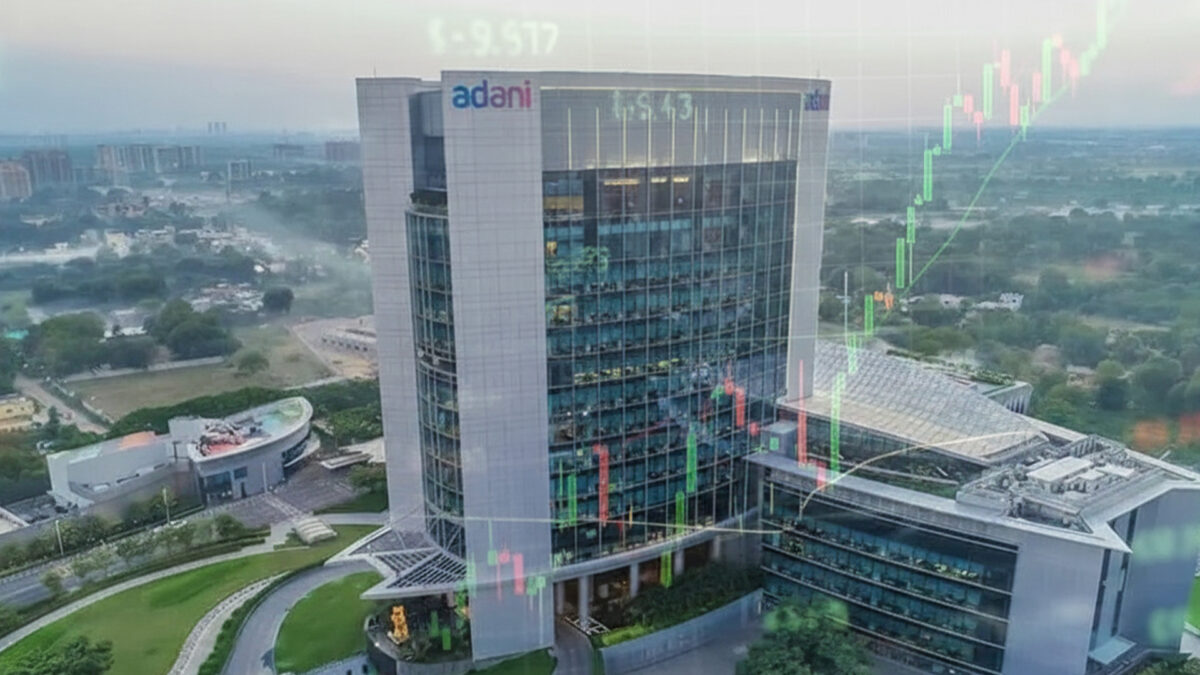
Adani Power shares appeared to have plunged nearly 80 percent in a single session on September 22, sparking alarm among investors. But the dramatic drop was purely technical, a result of the company’s first-ever 1:5 stock split, and the reality is far rosier — the stock actually jumped more than 18 percent after turning ex-bonus, hitting a fresh record high.
The board of Adani Power had approved the stock split in August, with the record date for determining shareholder eligibility set for September 22. The move increases the number of shares in circulation, making them more affordable for retail investors without altering the overall value of holdings.
For example, if a shareholder owned 10 shares worth Rs 100 each before the split, they would hold 50 shares at Rs 20 each after the split. The total value of the holding remains unchanged at Rs 1,000.
Stock splits are a common corporate action aimed at boosting liquidity. By increasing the number of shares available at a lower price, companies make it easier for smaller investors to participate, which can create strong upside potential over time. Adani Power specifically noted that the split was intended to encourage greater retail participation and enhance trading activity.
Following the split, Adani Power shares adjusted to reflect the corporate action, giving the impression of a steep fall. In reality, the stock surged over 18 percent to reach a 52-week high of Rs 168.80 per share.
Market watchers remain optimistic. Morgan Stanley recently initiated coverage on Adani Power with an ‘overweight’ rating, calling it a prime example of a turnaround story in India’s corporate landscape. The brokerage highlighted the company’s strong earnings potential, driven by timely project completions and future power purchase agreements, naming it a “top pick” in the Indian power sector.
In short, the apparent crash is nothing to worry about — it’s just the stock split in action, and investor sentiment remains robust.
Also Read: Apple Enters India’s Top 5 as Smartphone Market Grows 2% in H1 2025