
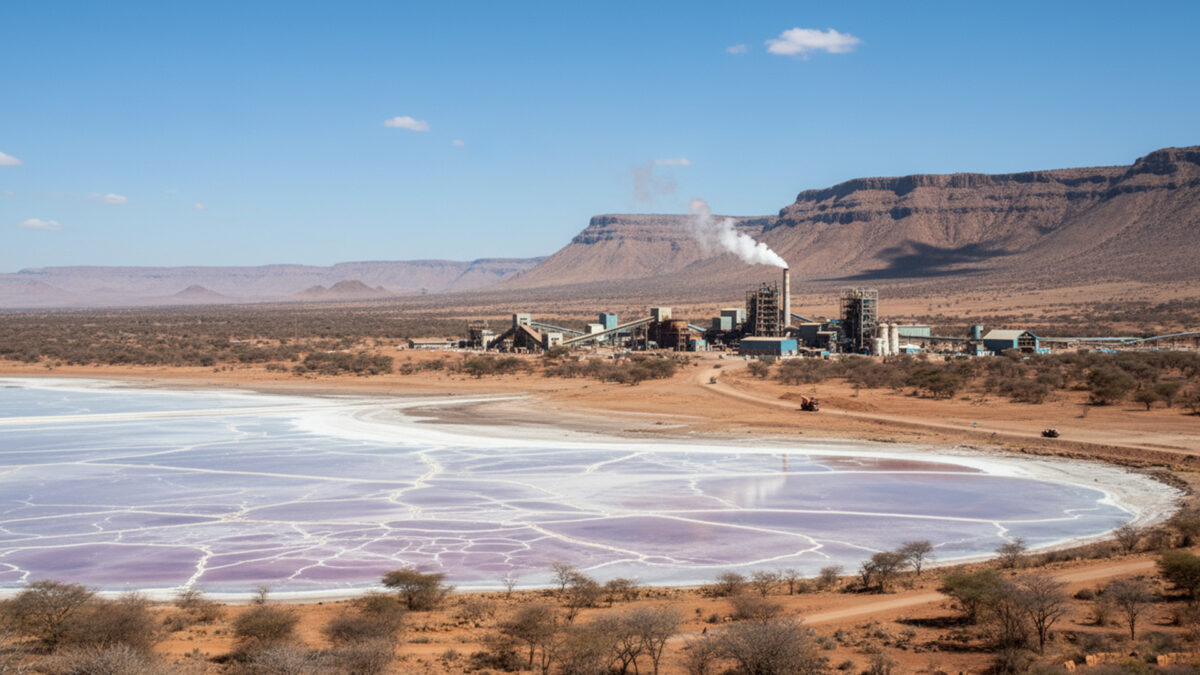
Tata Chemicals Ltd. has secured a major legal victory after the Court of Appeal in Nairobi ruled that the Kajiado County Government’s demand for land rates amounting to ₹783 crore (KSh 11.84 billion) was arbitrary and illegal, clearing the way for the company’s Magadi unit to avoid a large contingent liability that had weighed on its books.
The appellate court issued its order on October 24, 2025, according to company statements and market reports, overturning the county government’s assessment and finding that the charge lacked the open and accountable framework required for levying the disputed land rates.
Tata Chemicals said the matter had been disclosed as a contingent liability in its financial statements and that management would review the treatment of the item in light of the judgment.
The ruling closes a chapter in a long-running dispute between Tata Chemicals and Kajiado County, which stretches back several years and has included court battles, temporary shutdowns of the Magadi plant, and competing claims over which land is rateable.
In earlier litigation, the High Court had issued conservatory orders and directed the parties to negotiate a settlement; the matter was later appealed to the Court of Appeal.
Legal records and previous judgments show the dispute at times involved demands for much larger sums and allegations of irregular enforcement actions, including attempted closures of the company’s premises.
Market reaction was immediate: shares of Tata Chemicals rose following the appellate decision, reflecting investor relief that the company might no longer face the sizeable Kajiado demand as a probable outflow.
Analysts noted the verdict reduces the near-term legal overhang on the company’s East African operations while management considers whether and how to reclassify the contingent liability in the company’s accounts.
Local media and business reporting have traced the dispute to a 2018 assessment by Kajiado County, which TCML repeatedly disputed, arguing the lease terms and the extractive nature of its operations exempted large portions of its holdings from the county’s rate regime.
The County Government has periodically sought to collect arrears and, at times, moved to enforce the assessments—actions that prompted filings in Kenyan courts and political scrutiny at the county level.
Tata Chemicals has maintained that it has paid dues where applicable and that it has sought resolution through Kenya’s courts and administrative channels.
In its most recent public filings, the company described the Kajiado demand as contested and disclosed the amount in question as part of contingent liabilities.
Following the Court of Appeal order, Tata will determine next steps, including the accounting treatment and whether to pursue further remedies or settlements.
The ruling is likely to reshape the local fiscal dispute landscape and could affect how Kenyan counties frame and implement land-rate policies for extractive and freehold properties.
Kajiado County officials had previously defended their levy as lawful revenue-raising; the appellate finding, however, highlights procedural gaps and the importance of public participation and transparent frameworks when imposing sizable charges on private landholders.
Also Read: Indian Oil Swings to Strong Q2 Profit on Refining Margin Boost