Categories
Beyond

RBI makes digital payments safer from April 1

The Reserve Bank of India (RBI) is set to introduce new rules for digital payments from April 1, 2026, making online transactions more secure for users across the country.

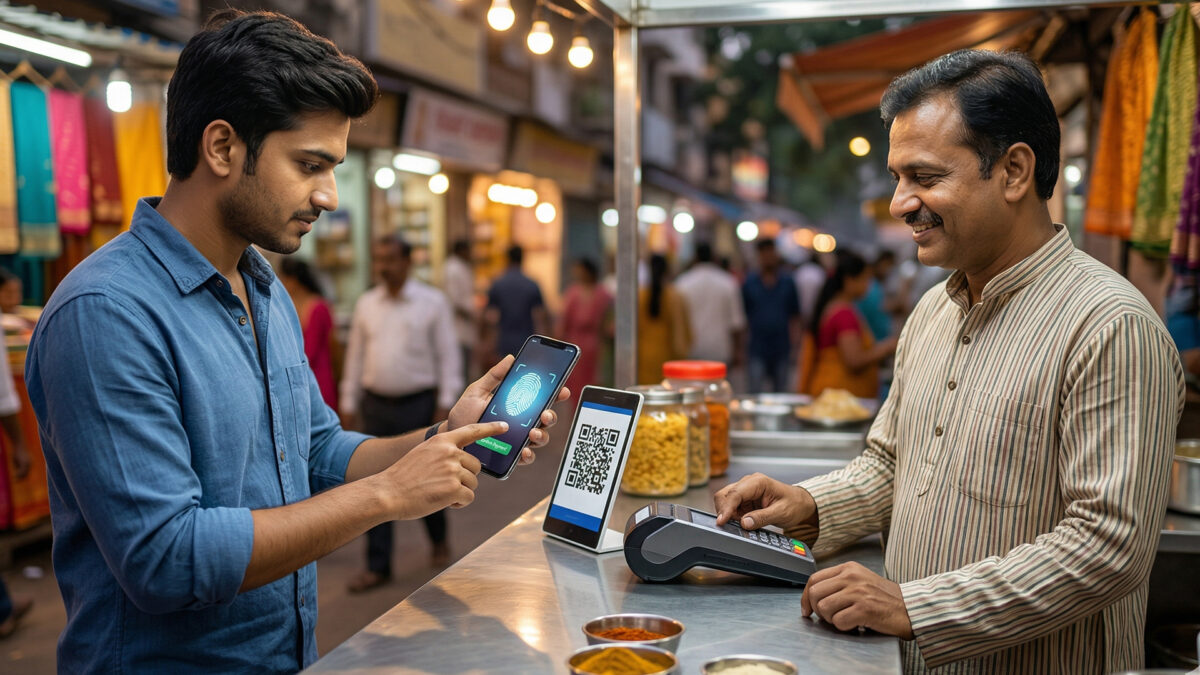
Under the updated guidelines, all digital payments, whether through UPI, debit cards, credit cards, or internet banking, will now require two-factor authentication (2FA). Simply entering a one-time password (OTP) will no longer be enough to complete a transaction. Users will need to verify payments using an additional step, such as a PIN, password, or biometric method like a fingerprint or face scan.

The idea behind this change is simple: add an extra layer of protection. With online fraud cases rising alongside the rapid growth of digital payments, the RBI wants to ensure that transactions are safer and harder for fraudsters to misuse.

The new system is designed to be both secure and user-friendly. For smaller or routine payments made from trusted devices, the process may remain quick and smooth. However, for larger or unusual transactions, users might be asked to complete extra verification steps. This risk-based approach aims to balance convenience with safety.

The changes will also affect recurring payments such as subscriptions and automatic bill payments. Users may be required to re-confirm these transactions from time to time to ensure they are still authorised.

Banks and digital payment platforms have already been instructed to upgrade their systems to meet the new requirements. Many are expected to introduce more advanced features like device-based authentication and biometric verification to make the process seamless.

Also Read: Airtel, Tata told to clear AGR dues
Categories
Technology

PhonePe brings ChatGPT into UPI payments

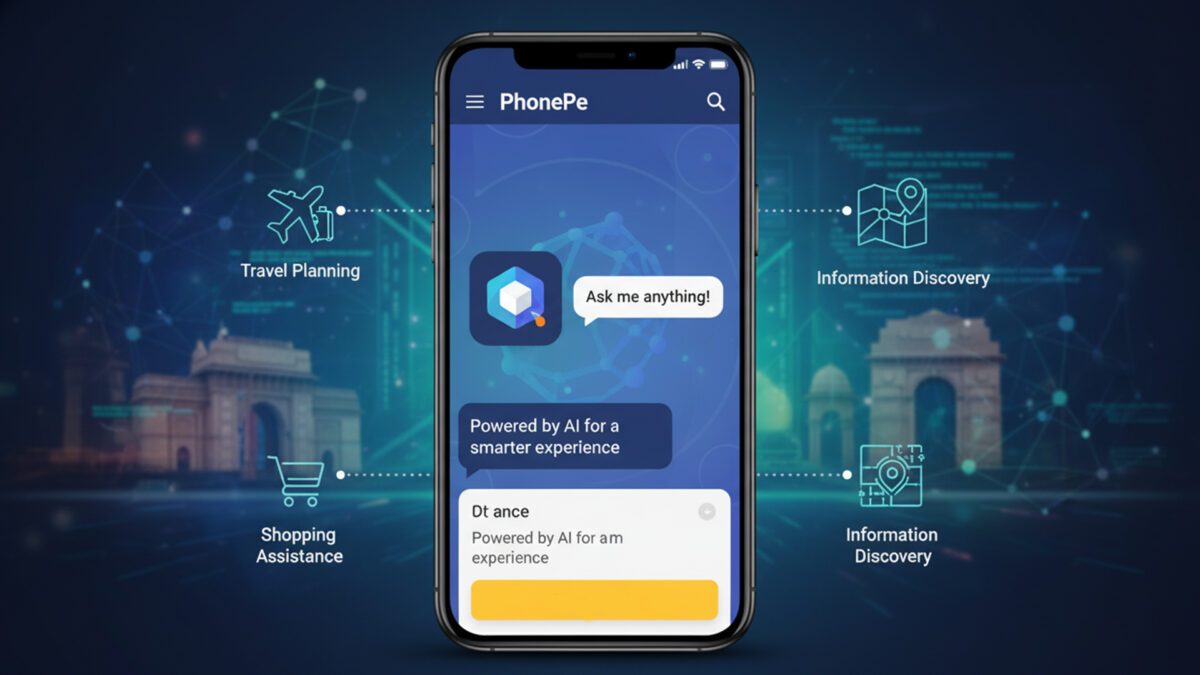
PhonePe has joined hands with OpenAI to bring ChatGPT directly into its app to offer AI-powered assistance into routine digital payments.

Users will be able to get help with tasks like travel planning, product searches, and comparing options without leaving the app. Rather than offering a full ChatGPT interface, PhonePe will weave specific AI tools that guide users during specific actions like for travel planning, shopping and general informative discovery.

With this, PhonePe became one of the first major UPI platforms in India to embed a conversational AI assistant within its consumer-facing services. The company plans to introduce these tools across both its consumer and merchant apps.

According to OpenAI, the collaboration aligns with its broader goal of expanding AI access throughout India. Oliver Jay, OpenAI’s Head of International, has highlighted that India is seeing rapid adoption of AI tools, and PhonePe’s extensive user base makes it a strategic partner for bringing these technologies to the mainstream.

The integration is especially focused on payment-related decisions. OpenAI will be available through the Indus Appstore. Users can ask for budget travel ideas, merchant details, or service comparisons before completing a UPI transaction, and the AI will offer relevant suggestions.

This partnership comes amid a string of OpenAI initiatives in India. The company recently opened its first local office in Mumbai and announced plans for a large-scale, 1GW data centre backed by an investment commitment of around Rs 20,000 crore. It has also worked with Razorpay and the National Payments Corporation of India (NPCI) on pilots that test AI-assisted UPI payments, enabling conversational interactions for completing transactions.

To encourage broader adoption, OpenAI is offering Indian users complimentary access to ChatGPT Go for 12 months. The company expects that early exposure to its AI tools will lead more users to explore advanced features and potentially transition to paid plans.

Also Read: Trump adds 50,000 federal workers