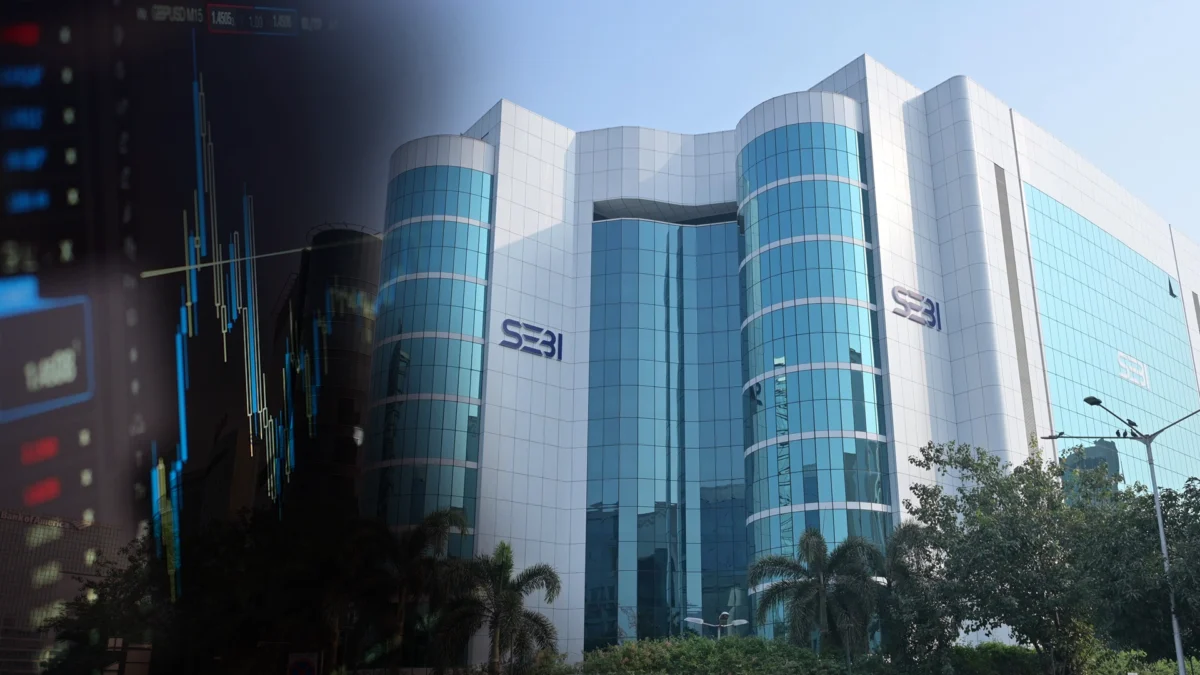
The Securities and Exchange Board of India (SEBI) has approved initial public offering (IPO) plans of eight companies, signalling steady activity in the primary market. The companies that received the regulator’s clearance include Indira IVF, Rays of Belief, RKCPL Ltd, Chartered Speed, Glass Wall Systems (India), Shriram Food Industry, Tempsens Instruments (India), and Jerai Fitness.
SEBI’s approval, referred to as regulatory “observations”, allows these companies to move ahead with their IPO process. They can now update their offer documents, finalise issue details, and plan market launches, depending on investor demand and market conditions.
Among the approved firms, Indira IVF stands out as a well-known fertility care provider with clinics across several Indian cities. The company had earlier withdrawn its IPO papers and later refiled them using the confidential route, which keeps draft documents private until SEBI grants its observations. Rays of Belief, which works in child development and therapy services, also used the confidential filing route and has now received approval.
The remaining companies filed their IPO applications through the regular process. RKCPL Ltd operates in the infrastructure and civil construction space, while Chartered Speed provides passenger transport and mobility services. Glass Wall Systems (India) is engaged in façade and building solutions, supplying products for commercial and residential projects.
Shriram Food Industry is involved in food processing and exports, and Tempsens Instruments (India) manufactures thermal engineering products and specialised cables used in industrial applications. Jerai Fitness, another company on the list, is known for making gym and fitness equipment for both commercial and home use.
The approvals were issued between late December and early January. Once SEBI observations are received, companies usually have a limited period to launch their IPOs, subject to market conditions.
Market participants see these approvals as a positive sign for India’s IPO pipeline. The presence of companies from diverse sectors such as healthcare, infrastructure, manufacturing, fitness, and food processing reflects broad interest in raising funds from public investors. Investors are now expected to closely watch the final offer details and timelines of these upcoming IPOs.