
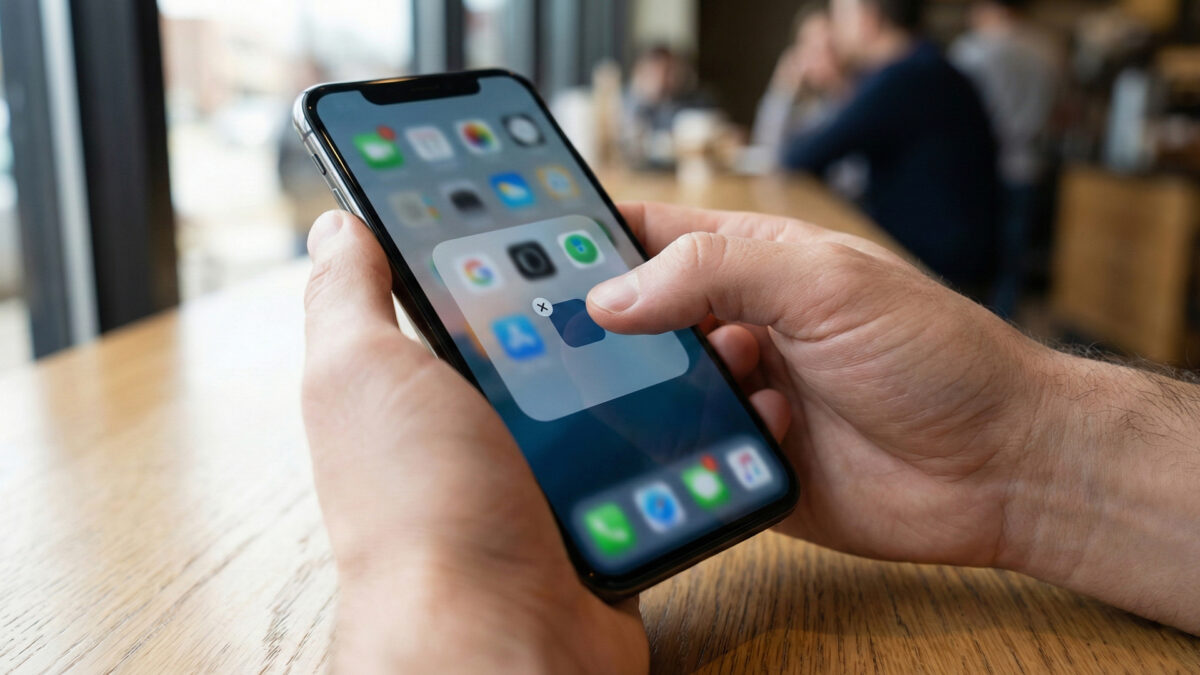
The Centre has clarified that the Sanchar Saathi mobile application, which recently triggered a political and public debate, will not be mandatory for smartphone users. Communications Minister Jyotiraditya Scindia informed Parliament that people are free to delete the app from their phones and that its installation is meant only to support citizens, not to monitor them.
The clarification comes days after the government directed smartphone manufacturers and importers to pre-install the app on all new devices and include it in upcoming software updates. This led to concerns that the app might collect sensitive data or open the door to state surveillance. Opposition leaders criticised the move, arguing that it risked turning smartphones into monitoring devices.
Scindia emphasised that these fears are unfounded. He stated that Sanchar Saathi neither listens to calls nor accesses private content, and that its purpose is limited to preventing telecom fraud. The app, developed by the Department of Telecommunications, provides tools that help users keep track of SIM cards issued in their name, report wrongly issued mobile connections, and block phones that have been lost or stolen.
One of its key features, the “Know Your Mobile” service, allows people to verify whether a device has a valid IMEI number — a step meant to curb the spread of cloned or fake phones often used in criminal activity. The app also connects users to the national portal where stolen devices can be blacklisted across networks, preventing their misuse. In addition, it supports reporting of spam calls and SMS, an issue that has grown alongside digital payment fraud.
While officials argue that the app strengthens digital safety, privacy experts worry about setting a precedent where government-backed apps could become compulsory in the future. They also question whether pre-installation will give citizens genuine choice.
By clarifying that Sanchar Saathi can be removed at any time, the government aims to ease public concerns and shift focus back to the app’s intended benefits. The debate, however, has highlighted a larger issue, the balance between improving cyber safety and ensuring that technological interventions do not compromise personal freedom. As smartphones continue to be central to daily life, this balance will remain under intense public scrutiny.
Also Read: Vodafone Idea shares jump 4% on relief hopes