Categories
Corporate

Dr Reddy’s eyes March launch of low-cost Ozempic copy

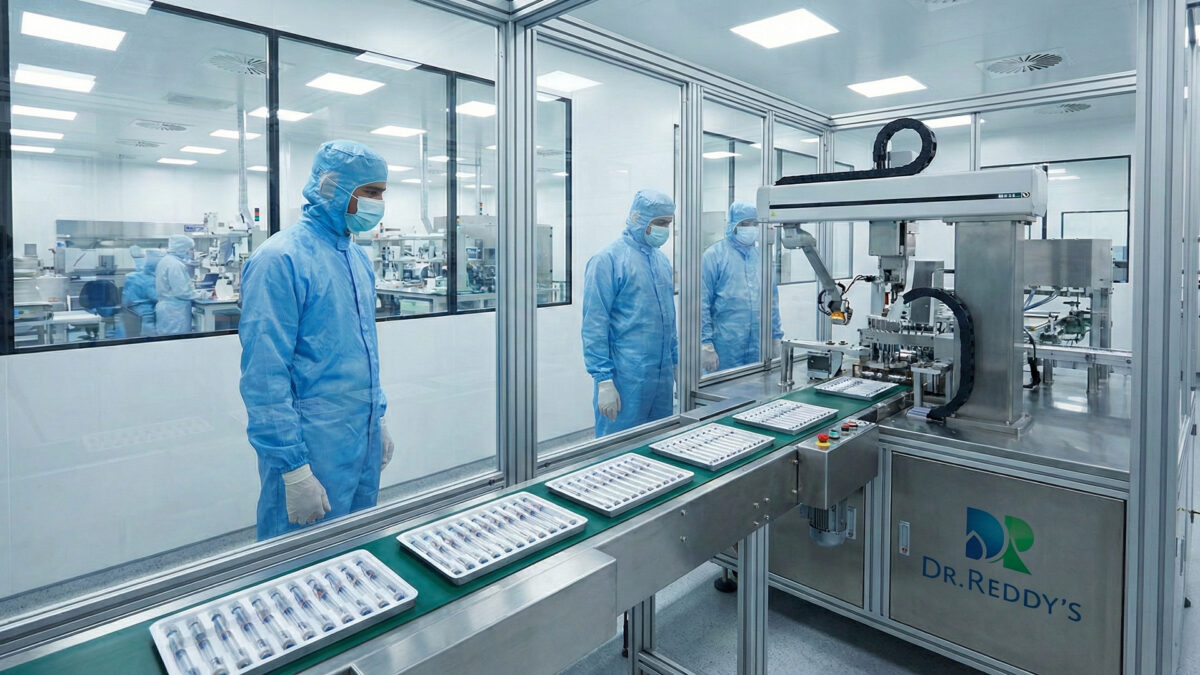
Dr Reddy’s Laboratories is preparing to roll out a more affordable version of semaglutide in India as early as March, aiming to bring down the cost of one of the world’s most talked-about diabetes and weight-loss treatments.

The Hyderabad-based drugmaker has applied for the trademark “Obeda,” a name widely seen as the likely brand for its generic rival to Ozempic. The timing is significant. Semaglutide’s patent in India expires in March, opening the door for local pharmaceutical companies to launch cheaper alternatives for the first time.

If priced aggressively, the new injection could cost up to 60% less than the original product. That would make the therapy accessible to far more patients in a country that has one of the world’s largest diabetes populations and a rapidly growing obesity burden.

People familiar with the company’s plans say Dr Reddy’s is gearing up for a day-one launch and has already built manufacturing capacity. The company is targeting sales of millions of pre-filled pens in the first year itself, signalling how big the opportunity could be.

So far, semaglutide has remained out of reach for most Indian patients because of its high price and limited availability. A lower-cost version could change that almost overnight, not just for diabetes care but also for weight management, where demand has surged globally.

The launch will also intensify competition in India’s fast-growing market for metabolic drugs. Danish drugmaker Novo Nordisk, which pioneered semaglutide, and US-based Eli Lilly, whose Mounjaro has already gained strong traction, are both expanding their presence in the country.

Also Read: Users report fraud after Yes Bank’s BookMyForex breach
Categories
Corporate

Ozempic debuts in India for type 2 diabetes

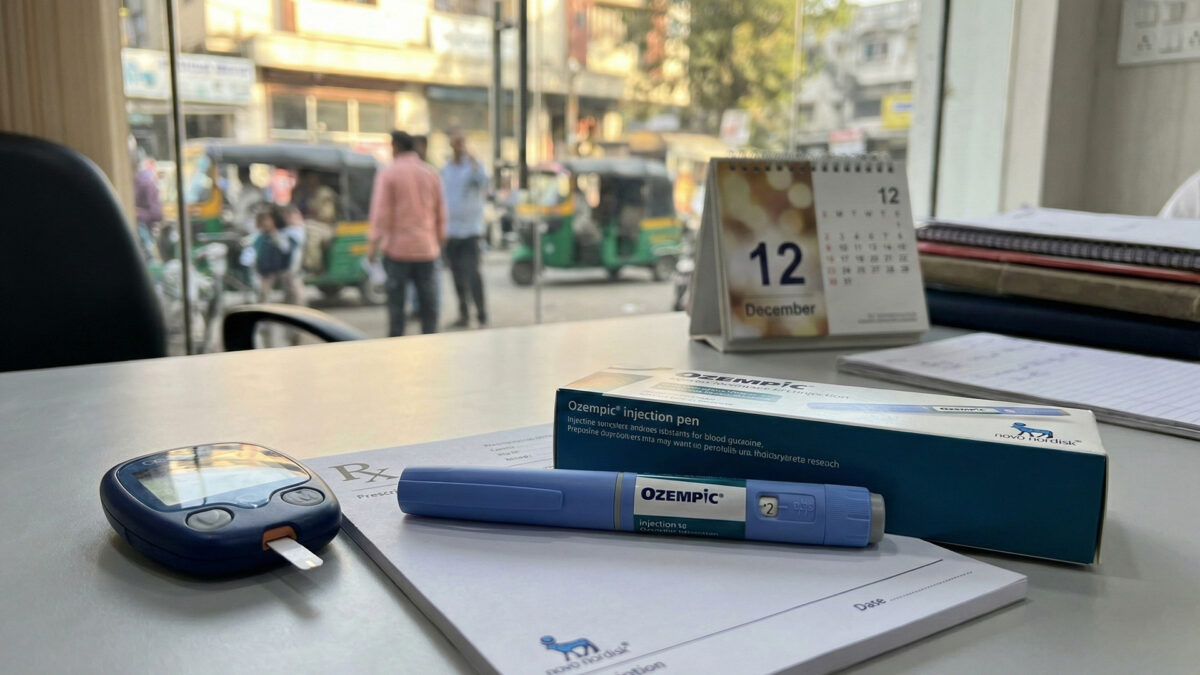
Global pharmaceutical company Novo Nordisk has launched Ozempic, a once-weekly injectable medicine for Type 2 diabetes, in India, expanding treatment options for millions of patients struggling to manage blood sugar levels. The drug contains semaglutide, a next-generation therapy already widely used in several countries.

Ozempic works by mimicking a natural hormone that helps the body release insulin when blood sugar levels are high. It also reduces the amount of sugar produced by the liver and slows digestion, leading to better glucose control. In addition, the medicine acts on the brain’s appetite centres, helping patients feel full for longer. While this effect has drawn attention globally for weight reduction, in India the drug has been approved specifically for managing Type 2 diabetes.

One of Ozempic’s key advantages is its once-a-week dosing, delivered through a pre-filled injection pen. Doctors say this can make treatment easier for patients who find daily injections difficult to maintain. The treatment begins with a 0.25 mg starter dose, mainly to help the body adjust. Depending on the patient’s condition, the dose may later be increased to 0.5 mg or 1 mg, strictly under a doctor’s guidance.

The starting dose costs about ₹2,200 per week, or roughly ₹8,800 per month, with higher doses priced above this level. Medical experts point out that affordability could be a concern for long-term use, especially since diabetes is a chronic condition requiring sustained treatment.

India has one of the world’s largest populations living with diabetes, and the number continues to rise due to sedentary lifestyles, dietary habits, and obesity. Specialists believe Ozempic could benefit patients whose blood sugar levels remain uncontrolled despite standard oral medicines or insulin therapy.

Doctors, however, stress that Ozempic is not a standalone solution. It must be used alongside lifestyle changes such as healthy eating, regular physical activity, and routine monitoring of blood sugar. Some patients may experience side effects like nausea or stomach discomfort, particularly in the early weeks of treatment, making medical supervision essential.

With the launch of Ozempic, India’s diabetes care space is seeing a shift towards advanced injectable therapies. While the drug brings new hope for improved disease control, experts emphasise responsible prescribing and informed patient use to ensure both safety and long-term benefits.

Also Read: Rupee falls 9 paise, hits record low of ₹90.41