
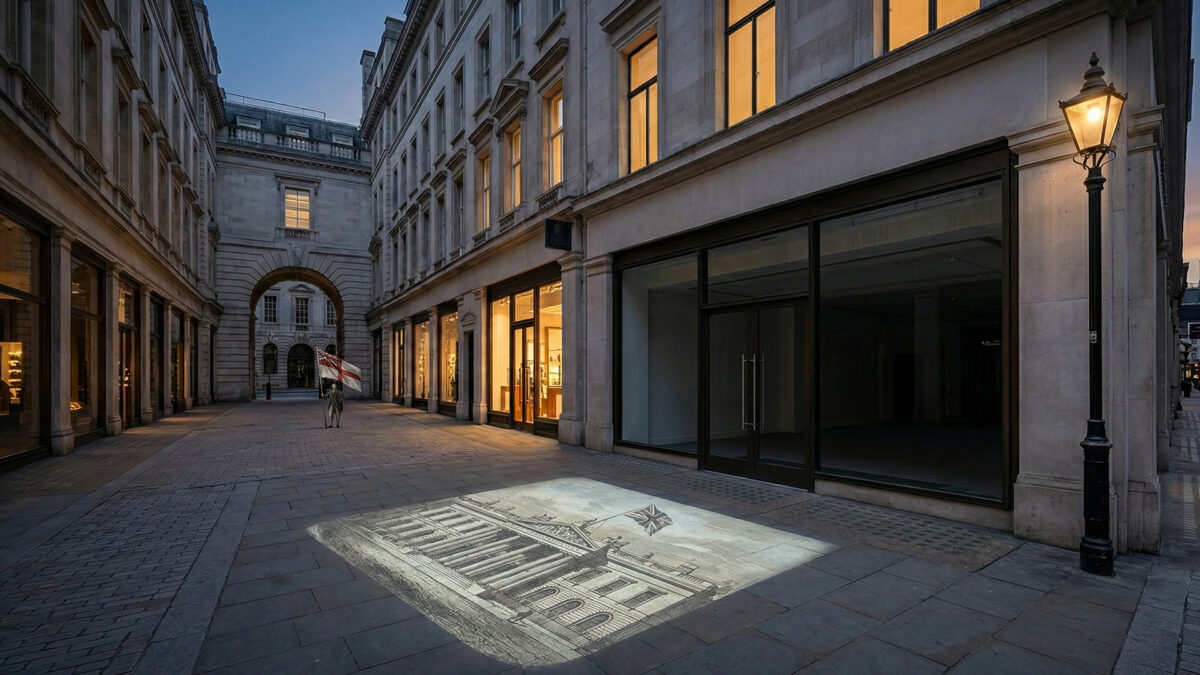
The East India Company has closed once more, not as a colonial trading empire this time, but as a modern luxury brand that tried to revive one of history’s most powerful names.
The original East India Company was once at the centre of Britain’s global trade network, shaping the course of history in India and beyond before it was dissolved in the 19th century. Decades later, entrepreneur Sanjiv Mehta revived the name as a high-end lifestyle brand based in London.
The modern company sold premium teas, fine chocolates, rare spirits and luxury gifts. Its stores were designed to reflect heritage and exclusivity, appealing to customers drawn to the brand’s historical legacy. For a time, the revival generated curiosity and attention.
But running a luxury retail business proved far more difficult than reviving a famous name. The company reportedly struggled with mounting losses, rising operating costs and changing consumer behaviour. Luxury shoppers increasingly moved online or chose established global brands, making competition intense.
Over time, stores quietly shut down. Now, the company has ceased operations completely. Employees have lost jobs, and the brand’s physical presence has disappeared from London’s retail streets.
The closure feels symbolic to many observers. A name once linked to vast trade networks and political power has now faded for a second time.
For the East India Company, the second chapter has come to an end, as it is said that the legacy alone cannot sustain a brand.
Also Read: Japan plans missile deployment near Taiwan