Categories
Corporate

BP close to $10 bn sale of Castrol stake

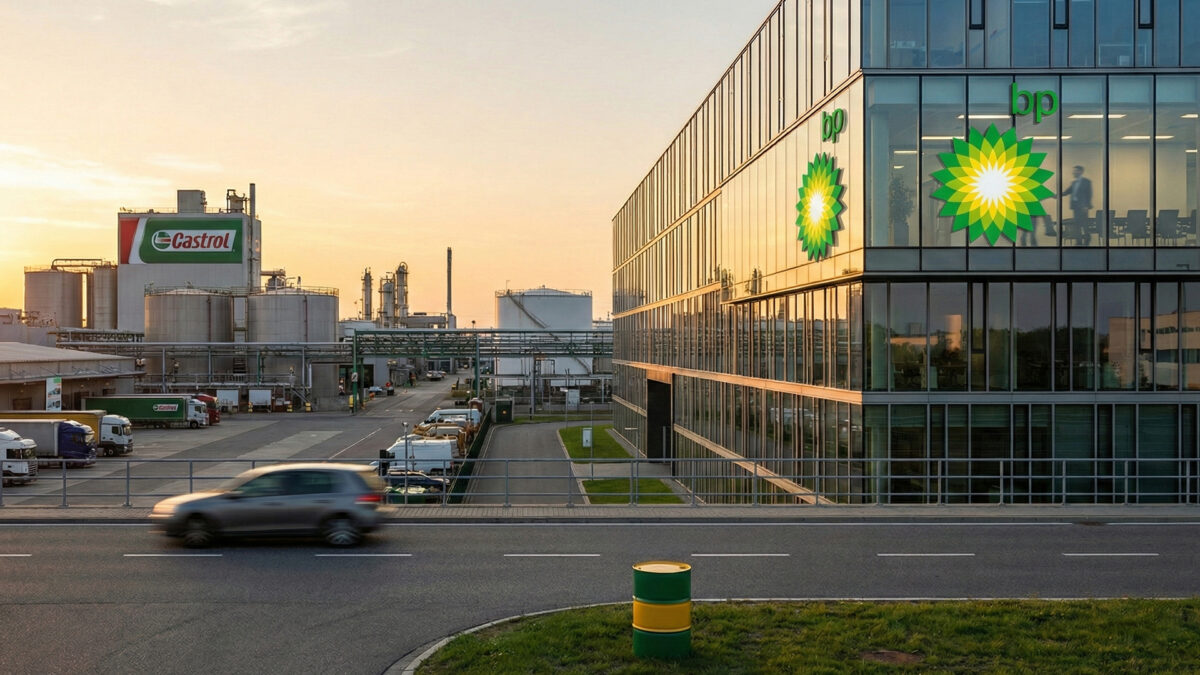
British Petroleum (BP) is nearing an agreement to sell a majority stake in its Castrol lubricants business to US investment firm Stonepeak in a deal valuing Castrol at about $10 billion. The transaction is part of BP’s wider effort to simplify its business and strengthen its balance sheet.

As per the proposed structure, BP will sell around 65 percent of Castrol and retain a 35 percent stake through a joint venture. The sale is expected to generate nearly $6 billion in cash for BP. Stonepeak will take management control, while BP will continue to benefit from Castrol’s performance through its minority holding.

Castrol is one of BP’s most recognisable brands, with a strong presence in automotive and industrial lubricants across global markets. While it is a steady and profitable business, BP has been under investor pressure to focus capital on higher-return areas and reduce debt as it balances oil and gas operations with its energy transition plans.

Reports indicate that a Canadian pension fund may also invest alongside Stonepeak. BP could consider selling its remaining stake in Castrol in the future, depending on market conditions and strategic priorities.

The deal is still subject to final negotiations and regulatory approvals. If completed, it would rank among the largest transactions in the global lubricants sector and is expected to close by the end of 2026. For BP, the move offers financial flexibility, while for Stonepeak, it provides access to a well-established global brand with stable cash flows.

Also Read: Adani Ports completes Australia NQXT deal
Categories
Leaders

British Petroleum appoints Meg O’Neill as CEO

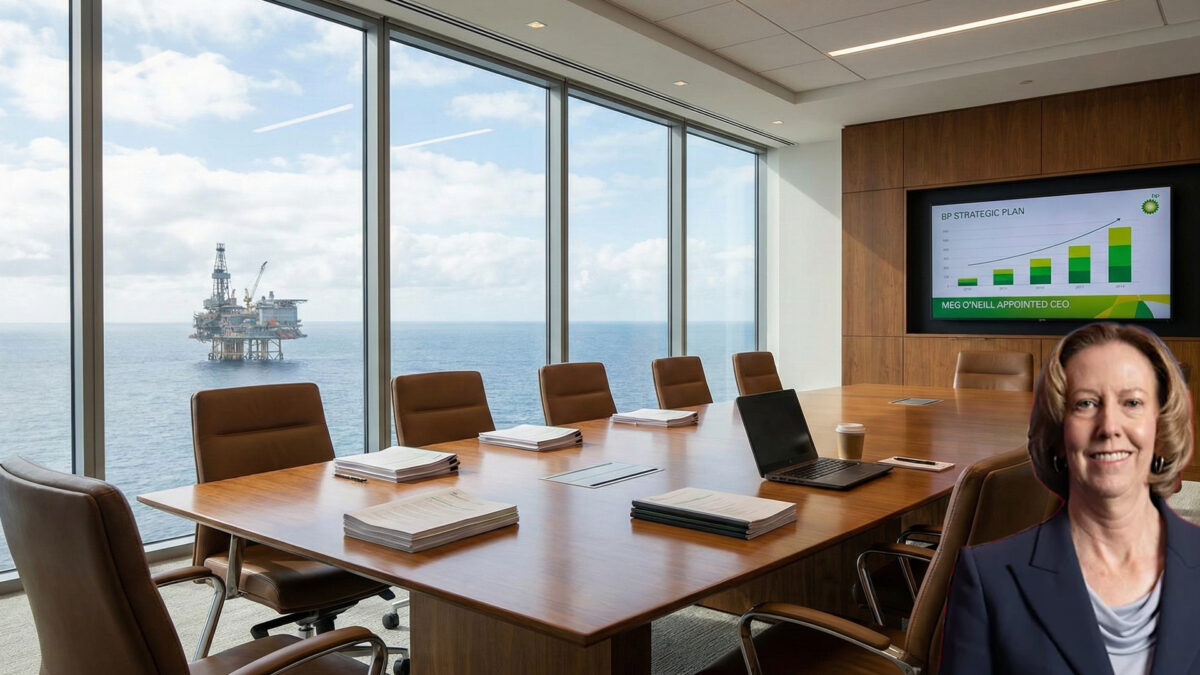
British Petroleum has appointed Meg O’Neill, current CEO of Australia’s Woodside Energy, as its next chief executive officer, effective April 1, 2026. She succeeds Murray Auchincloss, who stepped down on December 18, 2025, and will remain as an adviser until the end of next year to ensure a smooth transition. O’Neill’s appointment is historic: she is both BP’s first external CEO hire and its first woman to lead one of the world’s top five oil majors.

O’Neill brings over 23 years of experience at ExxonMobil, where she held various leadership roles, and has been Woodside’s CEO since 2021. At Woodside, she expanded the company’s global presence and oversaw major transactions, including the acquisition of BHP Petroleum International. BP’s board highlighted her “proven track record of driving transformation, growth, and disciplined capital allocation” as a key reason for her selection. Until O’Neill takes over, Carol Howle, BP’s Executive Vice President for Supply, Trading and Shipping, will serve as interim CEO.

The leadership change comes at a critical time as BP repositions itself toward traditional oil and gas, scaling back earlier renewable energy investments. The company plans to divest around $20 billion in non-core assets by 2027 and increase oil and gas production to improve profitability. The strategic shift is in part a response to shareholder pressure, particularly from activist investors such as Elliott Investment Management, who have pushed for stronger financial performance.

The market responded positively to the announcement. BP shares saw modest gains, while Woodside’s stock dipped following news of O’Neill’s departure. Analysts note that her operational expertise and deep knowledge of the oil and gas sector are expected to help BP navigate the competitive global energy market, where demand for fossil fuels remains strong despite the ongoing energy transition.

O’Neill’s appointment showcases BP’s intent to combine experienced leadership with financial discipline. The move signals a pragmatic approach, focusing on profitability and shareholder value, while balancing the company’s long-term energy transition goals. Observers see this as a significant step in shaping BP’s future amid a dynamic energy landscape, with O’Neill poised to lead the company into a new era of growth and operational focus.

Also Read: India–China trade gap to hit $106 billion