
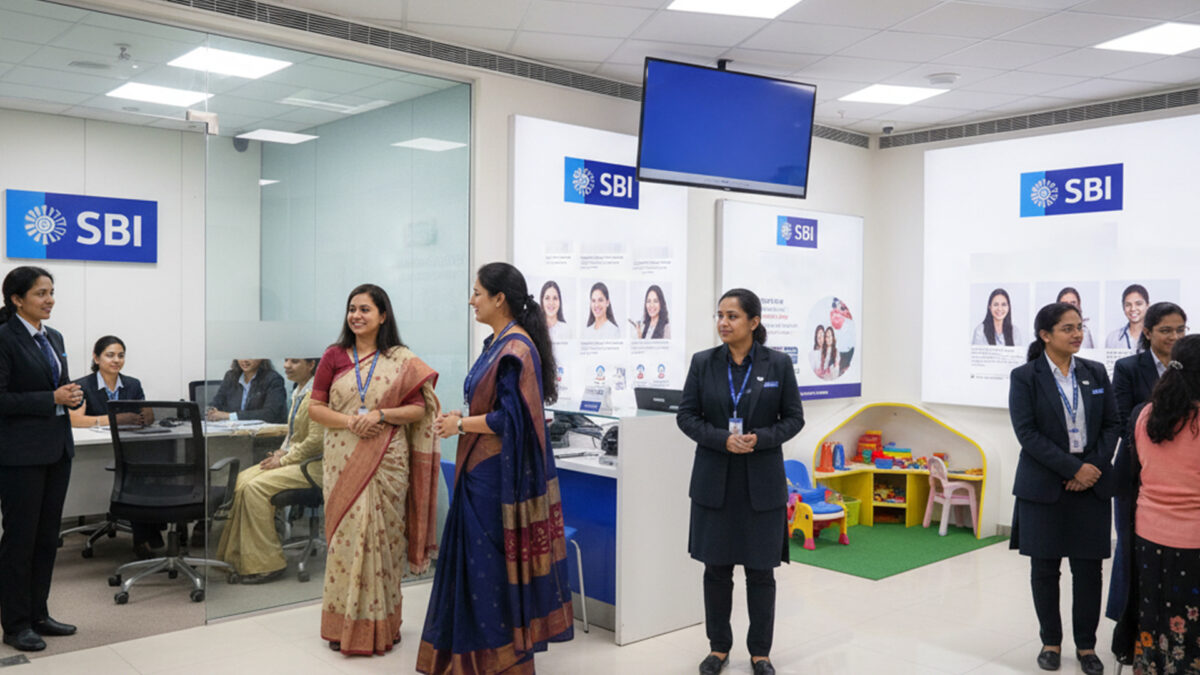
The State Bank of India (SBI), the country’s largest lender, has announced an ambitious plan to increase the proportion of women in its workforce to 30% by 2030.
Currently, women account for approximately 27% of SBI’s total staff, with a higher representation of nearly 33% among frontline employees.
This strategic initiative underscores the bank’s commitment to enhancing gender diversity and fostering an inclusive work environment across all levels of the organization.
To achieve this goal, SBI is implementing a comprehensive set of measures aimed at supporting and empowering its female employees.
These initiatives include the introduction of leadership development programs tailored for women, the establishment of all-women branches, and the provision of health and wellness benefits such as cancer screenings and vaccination drives.
Additionally, the bank is enhancing work-life balance support through the provision of creche allowances and family connect programs.
SBI is also offering specialized training for women returning from maternity leave, sabbaticals, or extended sick leave, ensuring a smooth reintegration into the workforce.
SBI’s commitment to gender diversity is further reflected in its internal policies. The bank provides up to two years of sabbatical leave for personal commitments such as childcare or further education, a policy unique among public sector banks.
Additionally, SBI enforces a strict policy on the prevention, prohibition, and redressal of sexual harassment in the workplace, demonstrating its dedication to creating a safe and supportive environment for all employees.
With a workforce exceeding 240,000 employees, SBI is one of the largest employers in India and globally. The bank’s proactive approach to gender diversity aims to not only increase female representation but also to cultivate a workplace culture that values inclusivity and equal opportunity.
Through these concerted efforts, SBI seeks to empower women, enhance organizational performance, and set a benchmark for diversity and inclusion in the banking sector.
This strategic focus on gender diversity aligns with broader national objectives to increase women’s participation in the workforce, which is seen as a key driver for economic growth and social equity.
By setting and working towards this target, SBI is positioning itself as a leader in promoting gender equality within the financial services industry.
Also Read: ACME to invest ₹5,000 crore in 1.2 Mt green iron plant