
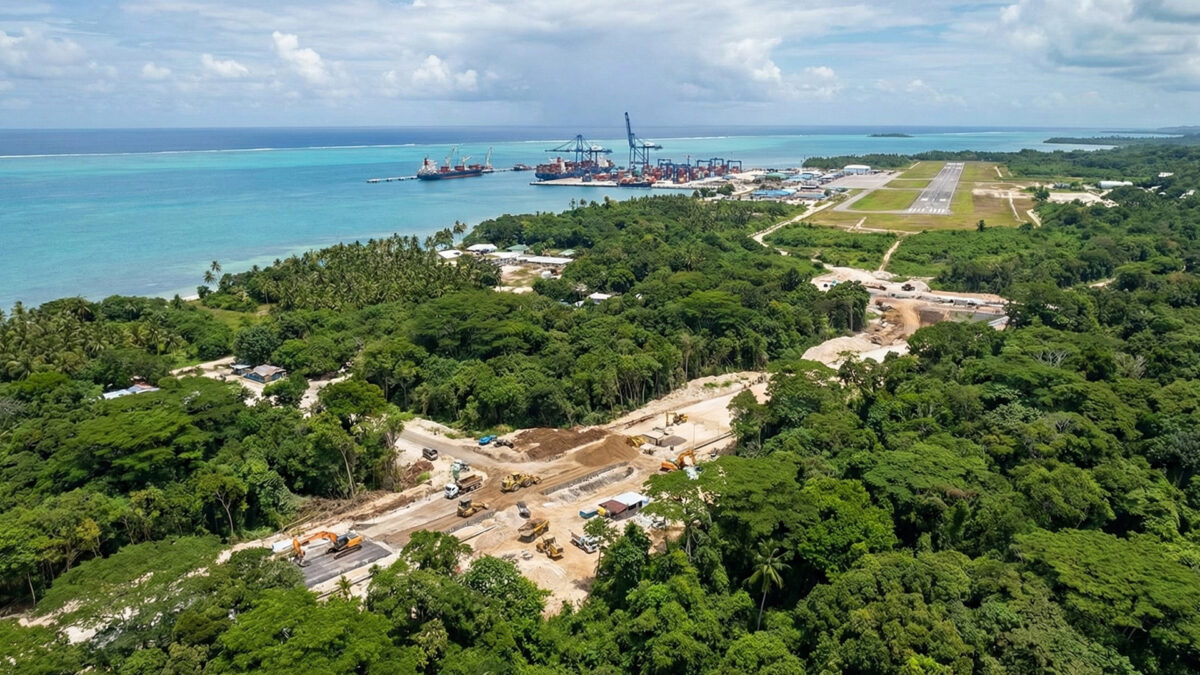
The National Green Tribunal (NGT) has given the green light to the ₹80,000‑crore Great Nicobar Island mega infrastructure project, dismissing petitions that challenged its environmental clearance. The tribunal cited the project’s strategic importance for India and found that adequate safeguards had been put in place to protect the island’s fragile ecosystem.
A six‑member bench, led by Justice Prakash Shrivastava, reviewed petitions from environmentalists and activists, including Ashish Kothari, who raised concerns over forest diversion, impact on coral reefs, and threats to indigenous communities such as the Shompen and Nicobarese tribes. The tribunal noted that a high‑powered committee in 2023 had examined these issues and confirmed sufficient protections under the 2022 environmental clearance (EC).
The project spans 166 sq km and involves the diversion of roughly 130 sq km of forest land. Key components include a container transshipment port, a dual-use airport, an integrated township, and a 450 MVA power plant using gas and solar energy.
The NGT emphasized that authorities must ensure full compliance with EC conditions, including conservation of coral habitats, protection of sandy beaches critical for marine species, and safeguarding key wildlife such as the leatherback sea turtle, Nicobar megapode, and Nicobar macaque.
While the tribunal recognized environmental concerns, it highlighted the project’s role in strengthening India’s strategic presence in the Indian Ocean region and near the Strait of Malacca, a major global shipping corridor.
Although the NGT ruling removes legal barriers at the tribunal level, activists may still approach higher courts.