
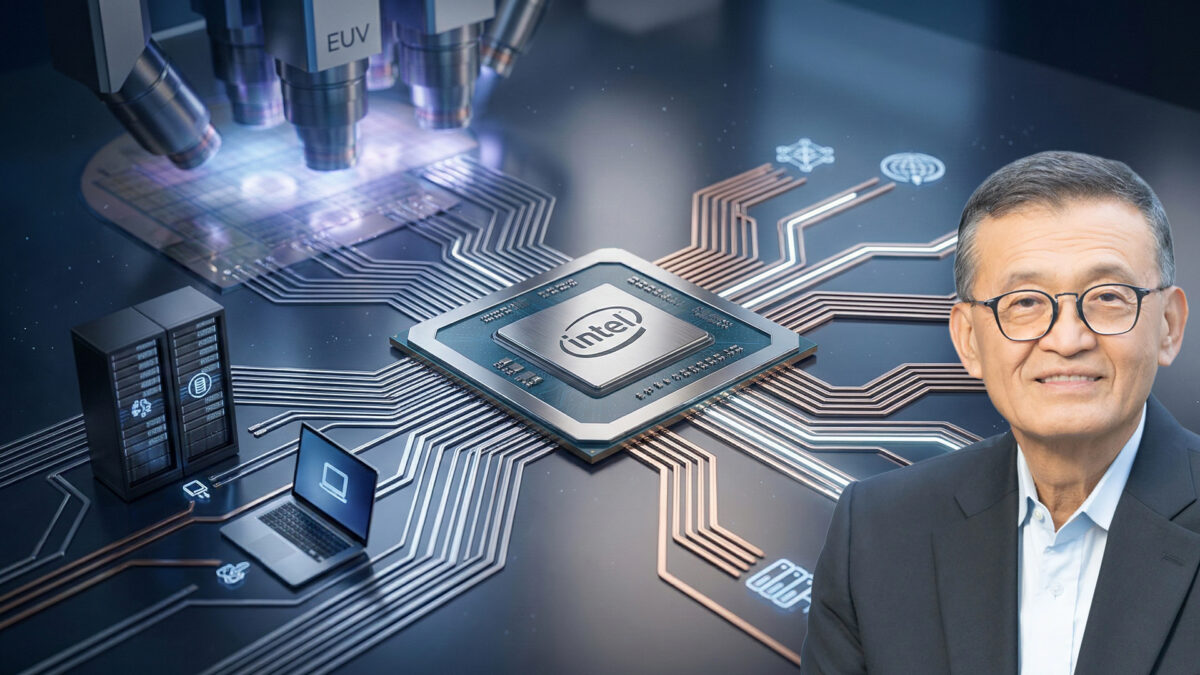
Intel is reconsidering the future of its 18A chip manufacturing technology, one of the company’s most advanced semiconductor processes, as it reviews how the technology should be deployed.
CEO Lip-Bu Tan is leading the reassessment, which could result in the company opening the process to external clients rather than keeping it mainly for its own chip designs.
Intel Chief Financial Officer David Zinsner said the company is revisiting earlier plans that limited the use of the 18A technology largely to internal production.
The potential shift could support Intel’s growing foundry business, which focuses on manufacturing chips for other companies. Intel has been investing heavily in this segment as it seeks to compete with global contract chipmakers such as Taiwan Semiconductor Manufacturing Company and Samsung Electronics.
The 18A process is expected to deliver major improvements in chip performance and power efficiency. It represents a key step in Intel’s roadmap to regain a leading position in semiconductor manufacturing.
According to Zinsner, the company has recently achieved better production yields for the 18A process, although the technology is still in the early stages of scaling up for larger manufacturing volumes.
At the same time, Intel is promoting its next-generation 14A process technology to potential customers as part of its efforts to expand contract chip manufacturing services.
Since becoming CEO in 2025, Tan has been working to restructure the company and strengthen its position in advanced semiconductor production and artificial intelligence technologies.
Intel’s strategic review of the 18A process highlights the company’s effort to balance internal chip development with its ambitions to build a competitive foundry business that serves external customers.
Also Read: Qatar LNG halt raises gas supply concerns