Categories
Corporate

Mukand Sumi Special Steel to Invest ₹2,345 Crore in Karnataka for Greenfield Plant

Mukand Sumi Special Steel to Invest ₹2,345 Crore in Karnataka for Greenfield Plant

New facility to double production capacity and lead India's push toward sustainable steel manufacturing

Sreelatha M

Mukand Sumi Special Steel Limited (MSSSL), a joint venture between Bajaj Group’s Jamnalal Sons and Japan’s Sumitomo Corporation, has announced an investment of ₹2,345 crore to set up a state-of-the-art Greenfield Steel Plant in Kanakpura, Koppal, Karnataka. This strategic expansion will nearly double the company’s annual production capacity to 7 lakh tonnes and marks a significant step in its journey toward net-zero emissions.

“This partnership will enhance MSSSL’s annual production capacity to 700,000 tonnes, strengthening its position as one of India’s leading manufacturers of special steel,” the company said in an official statement.

The integrated facility will feature iron-making, steel-making, and advanced rolling operations, with over 95% of its energy sourced from renewable power. MSSSL also plans to implement zero liquid, solid, and gaseous discharge systems and incorporate hydrogen-ready infrastructure in future phases.

"We are investing in sustainable and future-ready technologies that will strengthen our position in the global special steel market. By enhancing our manufacturing capabilities, we are not only responding to the evolving demands of our customers but also aligning ourselves with the broader national objective of self-reliance," said Vipul Mashruwala, President, MSSSL

Slated for commissioning by early 2028, the plant will supply high-grade special steels to key industries including automotive, railways, energy, and oil & gas. The project aligns with India's push for greener manufacturing and positions MSSSL as a key player in the country’s sustainable industrial future.


 

Categories
Corporate

Ashok Leyland and CALB Tie Up for ₹5,000 Cr EV Battery Project

Ashok Leyland and CALB Tie Up for ₹5,000 Cr EV Battery Project

The collaboration will develop next-gen EV and energy storage batteries, focusing on localizing India’s supply chain

Sreelatha M

Ashok Leyland, part of the Hinduja Group and India’s second-largest commercial vehicle manufacturer, has entered into a long-term exclusive partnership with China’s CALB Group, a leading battery technology company. This collaboration aims to develop next-generation batteries for both automotive and non-automotive applications, including energy storage systems. The partnership reflects improving ties between the two countries.

Under this agreement, Ashok Leyland plans to invest over ₹5,000 crore over the next seven to ten years to develop and manufacture advanced batteries. This initiative will support Ashok Leyland and its subsidiary Switch's electric vehicle portfolio and also cater to demand across the wider automotive sector and energy storage industry.

Additionally, the company intends to establish a Global Centre of Excellence that will focus on research and development related to battery materials, recycling, battery management systems, and advanced manufacturing processes. This move aims to create a localized battery supply chain in India, accelerating electric vehicle adoption and reducing fossil fuel dependence.

The partnership was formalized through agreements signed by Shenu Agarwal, Managing Director & CEO of Ashok Leyland, and Jacky Liu, CEO of CALB (HK) Co., Ltd., in the presence of Shom Hinduja, President of Alternative Energy and Sustainability Initiatives at the Hinduja Group.

This initiative marks a significant step in Ashok Leyland’s ongoing commitment to electrification, covering investments in electric vehicles, electric mobility-as-a-service, charging infrastructure, vehicle financing, and leasing.
 

Categories
Corporate

MPL Slashes 60% of Workforce as India’s Real-Money Gaming Ban Sparks Industry Turmoil

MPL Slashes 60% of Workforce as India’s Real-Money Gaming Ban Sparks Industry Turmoil

Over two thousand professionals are actively searching for new roles, reflecting the policy-induced shockwaves engulfing jobs across the sector.

Staff Writer

The recent government ban on real-money online gaming in India has triggered a sweeping upheaval in the digital gaming sector. Mobile Premier League (MPL) has responded with a dramatic reduction in its India operations, laying off approximately sixty percent of its workforce—around 300 of its 500 employees, spanning marketing, finance, operations, engineering, and legal teams. MPL, which generated close to $100 million in annual revenue and earned roughly half of it from India, now faces a near-complete collapse of its business in the country. The company has opted not to challenge the legislation, instead pivoting toward free-to-play models and strengthening its presence in international markets such as Europe, the U.S., and Brazil.

This downsizing mirrors broader distress in the industry. Over two thousand professionals are actively searching for new roles, reflecting the policy-induced shockwaves engulfing jobs across the sector. Supportive sectors—such as payment gateways and fintech startups that handled gaming transactions—are suffering a massive setback. The discontinuation of real-money games has slashed payment volumes and advertising revenue, with losses estimated in the tens of thousands of crores. Esports and social gaming are now seen as potential growth areas, but both require considerable expansion to fill the void left by RMG’s exit.

In response, IT Minister Ashwini Vaishnaw convened a landmark meeting with gaming industry leaders to explore transition strategies. The government emphasized user protection, ensuring the safety of gaming wallets, and promoting e-sports and social games as viable alternatives in the regulated environment.

MPL’s downsizing and the broader fallout underscore the high economic and social stakes of the new gaming regime. Entire revenue models have crumbled, employment is imperiled on a grand scale, and adjacent industries are scrambling to adapt. As stakeholders recalibrate, the industry’s future hinges on its ability to reinvent around non-monetary formats, rebuild consumer trust, and navigate an uncertain regulatory terrain.

Categories
Corporate

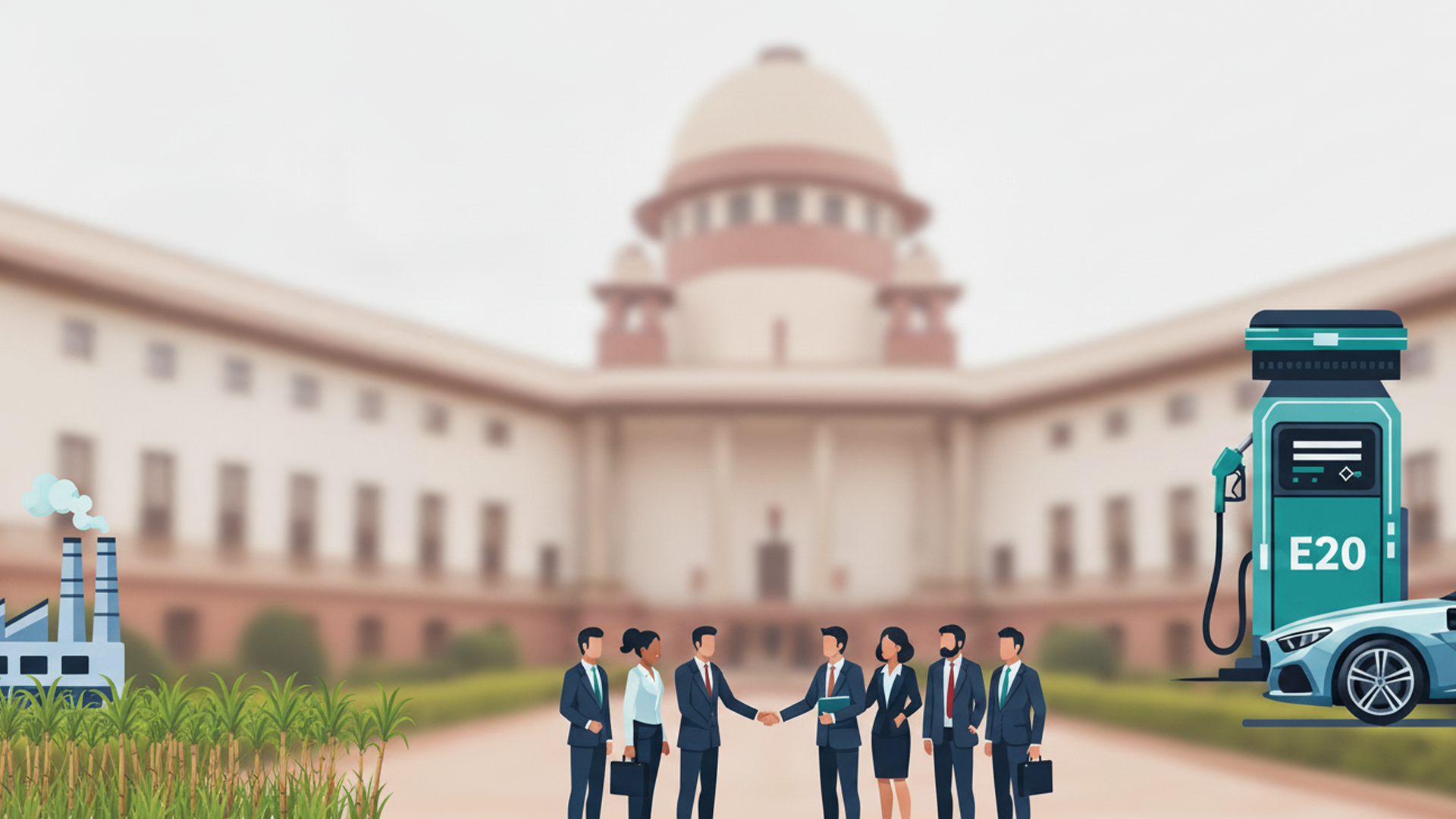
Sugar Stocks Rally as Government Lifts Ethanol Production Caps, Supreme Court Upholds E20 Rollout

Sugar Stocks Rally as Government Lifts Ethanol Production Caps, Supreme Court Upholds E20 Rollout

This policy shift follows two consecutive years of strong monsoon rains, which have boosted sugarcane cultivation and supplies.

Staff Writer

Sugar stocks surged in early trade on September 2 after the Indian government removed restrictions on ethanol production from sugarcane juice, syrup, and molasses for the 2025–26 year. The Ministry of Consumer Affairs, Food & Public Distribution announced that starting November 1, mills and distilleries can produce ethanol without any quantitative cap, though periodic reviews will ensure adequate domestic sugar availability.

This policy shift follows two consecutive years of strong monsoon rains, which have boosted sugarcane cultivation and supplies. The decision is expected to accelerate India’s ethanol blending targets and provide sugar producers with additional revenue opportunities.

The stock market reacted swiftly. Balrampur Chini Mills shares traded around ₹581.05, up 7.3 percent, while Shree Renuka Sugars climbed to ₹32.47, gaining 12.2 percent. Uttam Sugar Mills jumped over 9 percent, with Dhampur Sugar Mills and Magadh Sugar & Energy each up around 10 percent. Bajaj Hindusthan Sugar and Godavari Biorefineries advanced about 8 percent, while Triveni Engineering, Dwarikesh Sugar, and other producers rose between 4 and 6 percent.

The rally comes a day after the Supreme Court dismissed a plea challenging the nationwide rollout of E20 fuel, or petrol blended with 20 percent ethanol. The petitioner argued that vehicles manufactured before April 2023 were incompatible with such fuel, but the Court upheld the policy, emphasizing its environmental and economic benefits. Attorney General R Venkataramani noted that the plan had been extensively reviewed and highlighted its importance in supporting sugarcane farmers and reducing India’s reliance on oil imports.

Together, the policy shift and the Supreme Court ruling signal strong government support for ethanol blending initiatives. The move not only helps stabilize farmer incomes by creating an additional market for sugarcane but also aligns with India’s clean fuel strategy. Investor sentiment toward sugar companies has strengthened as the industry prepares for a more profitable 2025–26 season, driven by higher ethanol demand and robust sugarcane production.

Categories
Corporate

Flipkart Buys Majority Stake in Pinkvilla to Deepen Content-Commerce Push and Woo Gen Z

Flipkart Buys Majority Stake in Pinkvilla to Deepen Content-Commerce Push and Woo Gen Z

The acquisition is positioned not simply as a content deal, but as a conduit for “content-for-commerce” opportunities.

Staff Writer

Flipkart, the Walmart-owned Indian e-commerce giant, has acquired a majority stake in Pinkvilla, a leading digital infotainment platform, as part of a significant expansion into content-driven media and commerce.

Announced on 1 September 2025, the acquisition is seen as a key strategic move by Flipkart to deepen its engagement with Gen Z and millennial consumers, leveraging Pinkvilla’s strong foothold in celebrity, entertainment, and lifestyle content.

While Flipkart has not publicly disclosed the financial details of the deal, a source familiar with the matter said the acquisition likely involves over 75 percent of Pinkvilla, valuing the deal at approximately US $15 million.

Ravi Iyer, Senior Vice President, Corporate at Flipkart, emphasized that:

“Our acquisition of a majority stake in Pinkvilla is a critical step in our mission to deepen our engagement with Gen Z. Pinkvilla’s robust content IPs and strong connection with its loyal audience base are assets that will accelerate our efforts to leverage content as a key driver of growth.”

Nandini Shenoy, Founder and CEO of Pinkvilla, noted that the investment represents a vote of confidence in the platform’s creative strengths:

“The investment by Flipkart is a testament to the strong platform and content we have built. We are confident that with Flipkart’s support, we will be able to scale our operations and continue to deliver high-quality content that resonates with our millions of users, further strengthening our position as a leader in infotainment.”

The acquisition is positioned not simply as a content deal, but as a conduit for “content-for-commerce” opportunities. Flipkart aims to translate trend insights gleaned from Pinkvilla’s content into new commerce synergies, especially as celebrity and lifestyle themes increasingly influence shopping behavior among younger consumers.

This move aligns with Flipkart’s broader diversification strategy, building on previous acquisitions like Myntra (fashion), PhonePe (payments), and Cleartrip and super.money (travel and fintech). By anchoring its e-commerce ecosystem with dynamic content platforms like Pinkvilla, Flipkart is reinforcing its competitive edge in India’s evolving digital marketplace.

Categories
Corporate

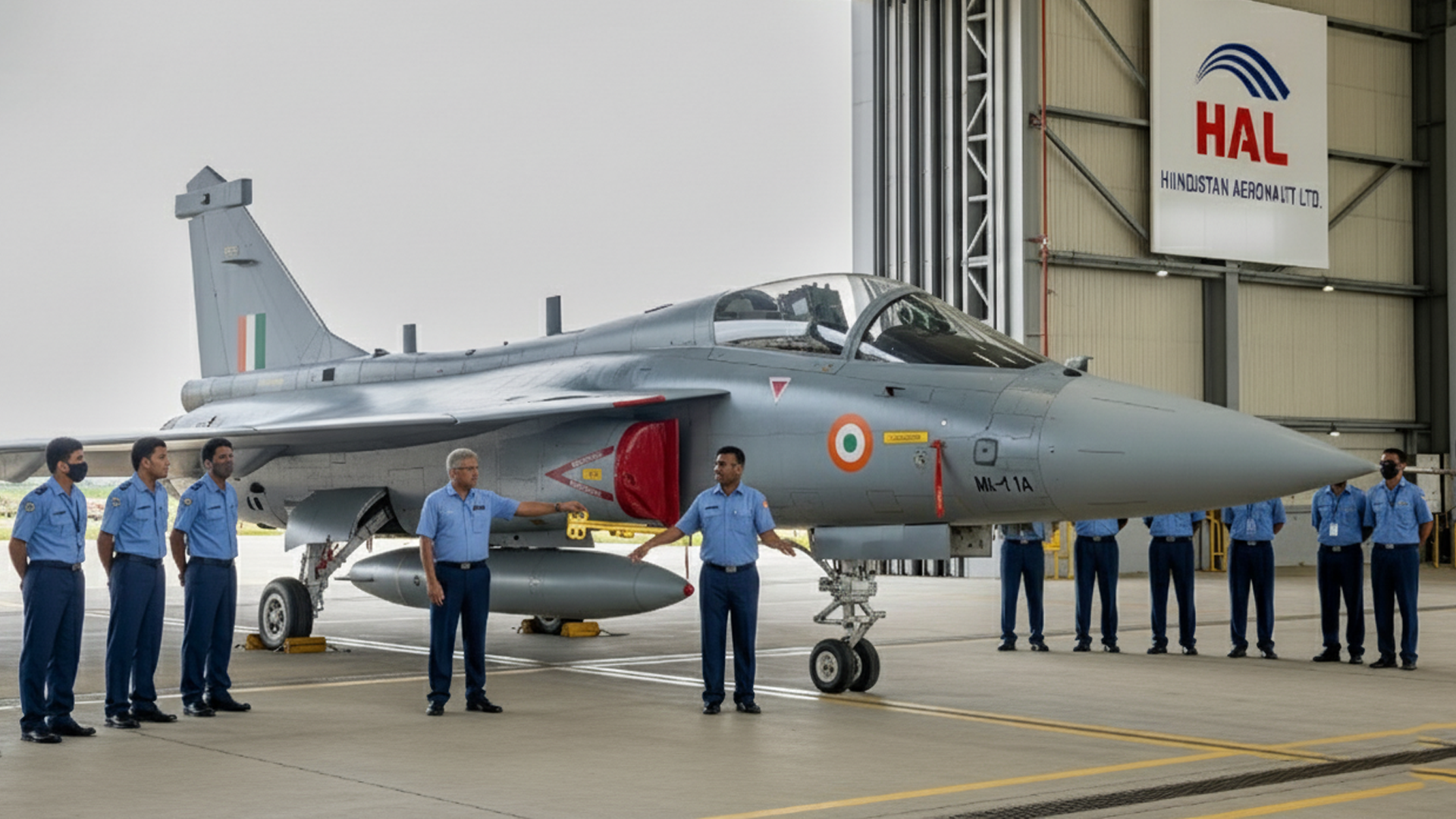
HAL Set to Deliver First Two Tejas Mk-1A Fighter Jets by September-End

HAL Set to Deliver First Two Tejas Mk-1A Fighter Jets by September-End

Tejas Mk‑1A to bolster IAF capabilities as HAL gears up for expanded production under Make in India

Sreelatha M

Hindustan Aeronautics Limited (HAL) is on track to deliver the first two Tejas Mk-1A fighter jets to the Indian Air Force (IAF) by the end of this month, Defence Secretary Rajesh Kumar Singh confirmed. The delivery marks a critical milestone under the ₹48,000-crore contract signed in 2021 for 83 Mk-1A jets.

The Tejas Mk-1A, an upgraded variant of India’s indigenous Light Combat Aircraft (LCA), comes equipped with advanced avionics, radar systems, and electronic warfare capabilities. The jets being delivered will feature full weapons integration.

The project faced delays primarily due to late deliveries of the F404-IN20 engines from US-based General Electric (GE). The first engine arrived only in March 2025, nearly two years behind schedule. GE has since committed to supplying two engines per month until March 2026, helping HAL stabilize its production line.

In response, HAL has ramped up manufacturing capabilities at its Bengaluru facility, setting up parallel assembly lines and partnering with private vendors such as Alpha Tocol under the ‘Make in India’ initiative. These steps are expected to significantly boost annual output.

To ensure timely delivery, the Ministry of Defence established a high-level committee headed by the Defence Secretary to monitor production progress. In July, the Prime Minister’s Principal Secretary, P.K. Mishra, visited HAL's Bengaluru plant and reviewed the ongoing assembly of six Mk-1A jets and two trainers.

HAL Chairman D.K. Sunil has also assured faster production schedules following concerns raised by the IAF over dwindling squadron strength.

The Union Cabinet has cleared a proposal to procure 97 additional Tejas Mk-1A fighters in a deal worth approximately ₹62,000 crore. However, the Defence Ministry has stated that the contract will only be signed after the successful delivery of the first two aircraft, which serve as proof of readiness.

Once finalized, the follow-up order will keep HAL’s production lines engaged for the next 4–5 years and expand the IAF’s Tejas fleet to over 180 aircraft.

The Tejas Mk-1A is expected to play a vital role in replacing ageing MiG-21 fighters and strengthening India’s self-reliance in defence manufacturing. HAL aims to scale up deliveries to 16–24 jets annually from FY 2025–26, with plans to complete the delivery of all 83 jets by 2028.

The successful rollout of the Mk-1A will be a major step forward for India's indigenous aerospace industry and a strategic boost to the IAF’s combat readiness.


Categories
Corporate

India’s Manufacturing PMI Hits 17½-Year Peak Amid Strong Demand and Output Surge

India’s Manufacturing PMI Hits 17½-Year Peak Amid Strong Demand and Output Surge

This marks the fastest improvement in operating conditions in nearly 17½ years, underscoring a rapid acceleration in industrial activity.

Staff Writer

India’s manufacturing sector reached a milestone in August, with the HSBC India Manufacturing Purchasing Managers’ Index climbing to 59.3, up from 59.1 in July—its highest level since February 2008. This marks the fastest improvement in operating conditions in nearly 17½ years, underscoring a rapid acceleration in industrial activity.

The surge in the PMI reflects a sharp pick-up in production, signaling robust output growth—the strongest in almost five years. Firms attribute this momentum to sustained domestic demand and successful alignment of supply with buyer orders. Notably, new orders remained buoyant, maintaining the rapid pace observed in previous months and contributing to a healthy pipeline of work.

On the export front, though growth eased to its slowest in five months, it remained historically strong. Indian manufacturers continue to secure business from clients across Asia, Europe, the Middle East, and the U.S., even as rising trade tensions and steep U.S. tariffs weigh on sentiment. Analysts believe strong domestic demand cushioned the impact of weaker international orders, while overall business confidence among manufacturers rebounded from a three-year low.

Cost pressures intensified, with both input and output prices rising to their highest levels in three months. Manufacturers reported higher costs for inputs such as bearings, textiles, steel, and electronic components. Despite this, healthy demand enabled firms to pass on price increases to buyers, sustaining margins for now.

Hiring continued for the 18th consecutive month, although the rate of expansion slowed from previous highs. Companies also worked to rebuild inventories, with purchasing activity increasing at the fastest pace in 16 months. Input delivery times shortened, suggesting improved supply chain efficiency.

These manufacturing developments dovetail with India’s strong macroeconomic performance. The economy recorded a 7.8% GDP growth in the April-June quarter, marking a five-quarter high—driven in part by double-digit expansion in manufacturing and construction. Although some economists caution that this figure may be slightly overstated due to low deflators affecting real growth estimates, the robust performance underscores India’s economic resilience.

Nonetheless, looming trade pressures could challenge sustained momentum. U.S. tariffs of 50% on major Indian exports such as apparel, jewelry, chemicals, and furniture pose risks to export-driven sectors. While overall PMI readings remain elevated, analysts are watching closely to see if elevated input costs and external headwinds might throttle growth in the months ahead.

Manufacturing currently accounts for about 17% of India’s GDP, and its strong August performance sends a positive signal for the broader economy. Coupled with a composite PMI that surged to record highs—driven by both manufacturing and services—it suggests continued private-sector strength across industries.

Categories
Corporate

Supreme Court Upholds E20 Rollout, Rejects Plea for Ethanol-Free Petrol Option

Supreme Court Upholds E20 Rollout, Rejects Plea for Ethanol-Free Petrol Option

Defending the policy, the Ministry of Petroleum and Natural Gas said E20 petrol not only improves acceleration and ride quality but also supports India’s economic and energy security objectives.

Amit Kumar

The Supreme Court on Monday, September 1, dismissed a public interest petition challenging India’s nationwide rollout of 20% ethanol-blended petrol (E20), clearing the way for the government’s aggressive ethanol blending program aimed at boosting farm incomes and reducing crude oil imports.

A Bench led by Chief Justice of India B.R. Gavai and Justice K. Vinod Chandran sided with the Union government, which defended the policy as critical for sugarcane farmers and foreign exchange savings. Attorney-General R. Venkataramani told the court that the petitioner, a foreign resident, was acting at the behest of vested interests and argued that national fuel policy should prioritize domestic objectives over external pressures.

India has been gradually introducing ethanol blending since 2023, moving from E5 and E10 blends to E20. The transition is part of a broader energy diversification strategy and supports the government’s goal of achieving 20% ethanol blending nationwide by 2025. While only vehicles manufactured after April 2023 are officially certified for E20 use, ethanol-free petrol has largely been phased out across the country’s 90,000 retail outlets, forcing owners of older vehicles to adopt the new blend.

The petitioner, represented by senior advocate Shadan Farasat, argued that consumers were being denied a choice of ethanol-free fuel and cited NITI Aayog’s 2021 “Roadmap for Ethanol Blending in India 2020-25,” which warned of a 6–7% drop in fuel efficiency for four-wheelers and 3–4% for two-wheelers running on E20. The petition also raised concerns about potential engine damage, higher maintenance costs, and loss of manufacturer warranty and insurance coverage, particularly for vehicles not designed for high ethanol blends.

It further criticized the lack of transparency at fuel stations, claiming that Indian consumers are not informed about ethanol content, unlike in the U.S. and European Union, where clear labelling is mandated and ethanol-free petrol remains widely available. The petitioner sought compulsory labelling of ethanol content at all dispensing units and a nationwide study on the long-term impact of E20 on non-compliant vehicles.

Defending the policy, the Ministry of Petroleum and Natural Gas said E20 petrol not only improves acceleration and ride quality but also supports India’s economic and energy security objectives. The ministry highlighted the role of ethanol blending in reducing reliance on imported crude and providing stable demand for sugarcane farmers, which has been a cornerstone of the government’s rural economic agenda.

With the Supreme Court’s dismissal, the rollout of E20 will proceed without ethanol-free alternatives, cementing India’s shift toward ethanol as a key component of its energy mix. While the verdict is a boost for ethanol producers, sugar mills, and the oil marketing ecosystem, it leaves unresolved questions around consumer choice, fuel efficiency, and the readiness of India’s ageing vehicle fleet for the transition.

Categories
Corporate

Anlon Healthcare IPO Draws Big Retail Buzz, Oversubscribed 7x Ahead of Listing

Anlon Healthcare IPO Draws Big Retail Buzz, Oversubscribed 7x Ahead of Listing

Retail Investors Lead the Surge as Pharma IPO Closes Heavily Subscribed

Sreelatha M

The ₹121-crore initial public offering of Anlon Healthcare Ltd closed with resounding investor interest this week, posting a 7.13x overall subscription as demand soared across categories, particularly among retail participants.

The public issue, which ran from August 26 to 29, struck a chord with individual investors, with the retail quota subscribed nearly 47 times, far outpacing other segments. Non-institutional investors subscribed 10.63 times, while qualified institutional buyers remained relatively subdued at 1.07 times.

Anlon, a pharmaceutical company focused on high-purity APIs and intermediates, is one of the few Indian manufacturers of loxoprofen sodium dihydrate, an anti-inflammatory active ingredient approved for export in key regulated markets, including Japan, Brazil, and China.

Backed by a solid track record, the company has reported an 81% jump in revenue and a 112% surge in net profit over the last two financial years. The performance, coupled with the company’s role in India’s growing pharmaceutical manufacturing ecosystem, appears to have drawn investor confidence despite a cautious broader market tone.

The company’s IPO is priced at ₹91 per share. As of the final bidding day, the stock was commanding a grey market premium of ₹2–₹5, suggesting a muted but positive listing sentiment, with estimated listing gains of up to 5.5%.

While the GMP remains modest, the strength of retail participation has positioned Anlon’s upcoming debut on investor watchlists. The basis of allotment is expected to be finalised on September 1, with listing slated for September 3 on both NSE and BSE.

Shares will be credited to successful applicants by September 2. The registrar for the issue is KFin Technologies.

Categories
Corporate

Reliance Strengthens FMCG Play with Fresh Investments, Brand Expansion

Reliance Strengthens FMCG Play with Fresh Investments, Brand Expansion

From Beverages to Staples, Reliance Accelerates Its FMCG Expansion with ₹40,000 Cr Investment and Bold Brand Moves

Sreelatha M

Reliance Industries Ltd (RIL) is rapidly advancing its consumer goods ambitions through its FMCG arm, Reliance Consumer Products Ltd (RCPL), with strategic investments, brand revivals, and a growing presence across India.

RCPL, now a direct subsidiary of RIL, has set a revenue target of ₹1 lakh crore, reflecting its aggressive intent in India’s ₹ 5 trillion FMCG sector. To support this, Reliance Retail will invest ₹40,000 crore over the next three years in integrated food parks across the country, aiming to build robust supply chain infrastructure.

In beverages, Reliance is reviving the iconic Campa Cola brand, committing ₹6,000–₹8,000 crore to scale up distribution. Campa has already expanded into international markets, including the UAE and Sri Lanka. In FY24, Campa Cola alone contributed ₹400 crore to RCPL’s total revenue of ₹3,000 crore,  achieved in its first full year of operations.

The company’s staples brand, Independence, is also making inroads beyond Gujarat into North Indian states like Punjab, Uttar Pradesh, Delhi NCR, and Bihar. It offers daily essentials, such as pulses, grains, and edible oils, marketed as high-quality yet affordable options.

RCPL is actively collaborating with kirana stores and manufacturers to strengthen its distribution footprint across both physical and digital channels.

These developments come alongside Reliance’s broader push into AI, telecom, and digital media. Still, its focus on consumer brands marks a strategic bet to build everyday relevance with millions of Indian households.