
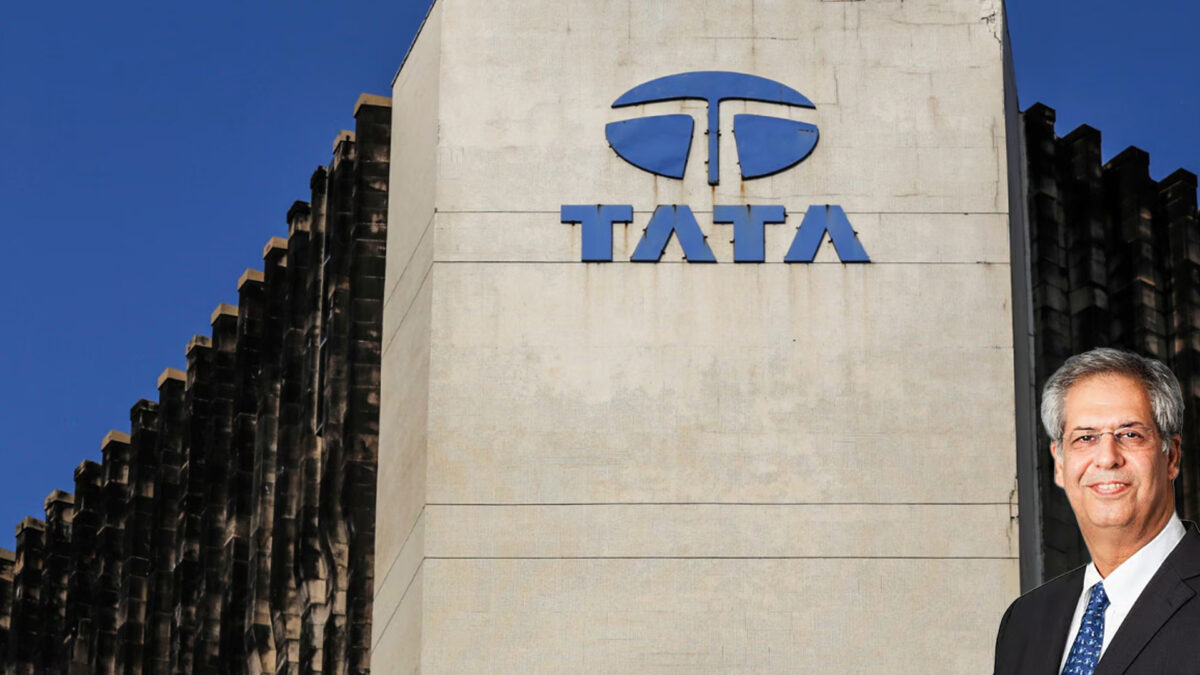
India’s renowned philanthropic arm, Tata Trusts, which holds a commanding majority stake of about 66 % in the conglomerate Tata Sons, is embroiled in a deep-seated governance dispute that threatens one of the country’s most respected business houses.
The conflict came to a head in September when the trustees of Tata Trusts voted against reappointing 77-year-old former defence secretary and Trustee Vice-Chairman Vijay Singh to the Tata Sons board, marking what insiders described as an “unprecedented” decision.
According to reports, four trustees — including Mehli Mistry, Darius Khambata, Pramit Jhaveri and Jehangir HC Jehangir — opposed Singh’s continuation, citing broader governance and strategic-direction concerns at Tata.
At the core of the dispute are divergent views over board nominations, the strategic future of Tata Sons and how to handle the planned exit of minority shareholder Shapoorji Pallonji Group (SP Group).
One faction of trustees, aligned with Mehli Mistry, is said to favour stronger voice and representation of the charitable trusts on Tata Sons’ board. Another faction, led by Chairman Noel Tata and long-time industrialist Venu Srinivasan, prefers continuity of existing directors and a consensus-based approach.
The boardroom rift has drawn attention from the Indian government, which intervened in an unusually public manner.
In early October, Home Minister Amit Shah and Finance Minister Nirmala Sitharaman held talks with Noel Tata and Tata Sons chairman Natarajan Chandrasekaran, urging a resolution to the internal dispute to safeguard the stability of the sprawling group.
The government’s involvement underscores the significance of the Tata group to India’s economy and the sensitivity of potential governance lapses.
Minutes of trustee meetings reveal that the September 11 session of Tata Trusts became a flashpoint.
According to the record, Mistry formally sought the reappointment discussion of Singh, but Singh did not attend.
Meanwhile, Noel Tata and Srinivasan countered that Singh’s long service and loyalty, including during the previous Cyrus Mistry era, warranted continuity.
Another emerging condition: Mehli Mistry has indicated that his own renewal as a trustee would depend on unanimous approval of fellow trustees for future reappointments — a move setting a new precedent in the Trusts’ governance.
Reports suggest that the divisions became public not because of major asset disputes but over institutional-level questions such as board representation, trust nominee rights and disclosure of documents and governance structures.
Some trustees have expressed concern about a two-tier system emerging between nominee-directors and non-nominee trustees and cite transparency gaps in decision-making.
For its part, Tata Trusts presented a façade of normalcy: a board meeting in early October was described by participants as “cordial” and focused on routine matters.
However, the underlying issues remain unresolved and could threaten group cohesion if allowed to fester.
Analysts say the dispute comes at a sensitive juncture for the Tata group, which is navigating global expansion, regulatory pressures, and an evolving leadership structure following the passing of long-time patriarch Ratan Tata in October 2024.
The current discord raises risks not simply for corporate governance but for the broader philanthropic ethos that has long been a distinguishing feature of the Tata empire.
How the parties resolve the impasse will not only determine the fate of individual trustees but may reshape the boardroom dynamics and legacy of the Tata-led group for years to come.
Also Read: Novartis To Acquire Avidity Biosciences In US$12 Billion Deal