
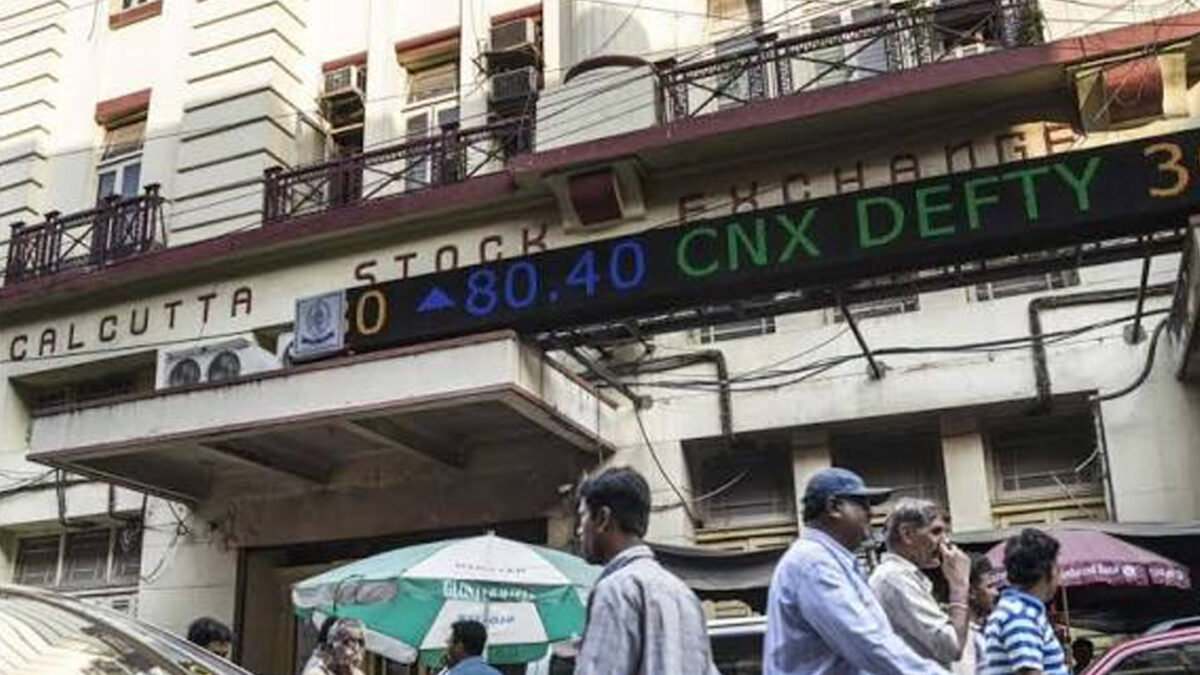
For generations of traders, investors, and the city of Kolkata itself, the Calcutta Stock Exchange (CSE) has been more than just a marketplace—it has been a symbol of ambition, innovation, and the city’s financial heartbeat. This year, however, that chapter comes to a close. The CSE is celebrating its final Diwali and Kali Puja, marking the end of 117 years of trading.
Established in 1908, the CSE once rivaled the Bombay Stock Exchange, bustling with the energy of brokers shouting bids, deals being made over wooden desks, and Kolkata at the center of India’s financial narrative. Over time, however, the exchange faced challenges. Regulatory changes, modern trading platforms, and the rise of larger exchanges gradually slowed its activity.
Trading at the CSE was suspended in April 2013 by SEBI, and despite attempts to revive it, operations never fully resumed. In 2024, the board decided to voluntarily exit the stock exchange business, a decision approved by shareholders in April 2025. Today, while the CSE itself will close, its subsidiary, CSE Capital Markets Pvt Ltd (CCMPL), will continue broking activities on the NSE and BSE, ensuring that the legacy lives on in a different form.
The historic three-acre property of the exchange on EM Bypass is set to be sold to the Srijan Group for ₹253 crore, adding a tangible end to this long chapter of Kolkata’s financial history.
For those who walked its floors, the CSE was more than numbers as it was a community, a place of dreams, deals, and relationships that spanned generations. Its last Diwali is not just a financial milestone but a moment of nostalgia for a city that once watched fortunes rise and fall in its halls.
As Kolkata celebrated the festival of lights, the quieting of the CSE serves as a reminder that even institutions that shape history are not immune to the passage of time. Yet, in every trader’s memory and every story from its past, the Calcutta Stock Exchange will continue to shine.