
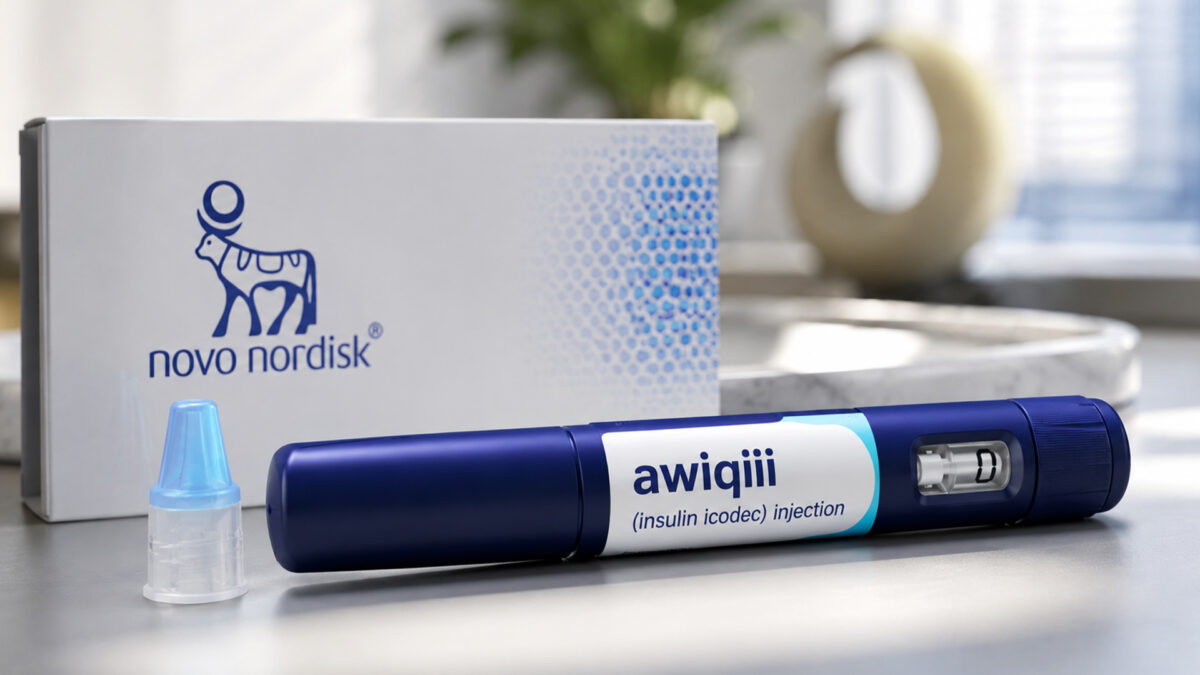
Novo Nordisk has launched Awiqli, the world’s first once-weekly basal insulin, in India, offering a new treatment option for people living with diabetes. The launch comes as the country continues to witness a steady rise in diabetes cases, increasing the need for innovative and patient-friendly therapies.
Awiqli is designed to help adults with diabetes manage their blood sugar levels with just one injection a week, compared with the daily injections required for conventional basal insulin. The company believes the reduced injection frequency could improve treatment adherence and make diabetes management easier for many patients.
India is home to one of the world’s largest diabetic populations, with millions of people requiring long-term insulin therapy. Healthcare experts say the burden of diabetes continues to grow because of lifestyle changes, ageing, urbanisation and genetic factors, making effective and convenient treatment options increasingly important.
Novo Nordisk said the once-weekly insulin has undergone extensive clinical evaluation and demonstrated blood sugar control comparable to daily basal insulin, while maintaining a well-established safety profile. The therapy is intended for adults with both type 1 and type 2 diabetes, as prescribed by healthcare professionals.
Medical experts believe reducing the number of injections may encourage more patients to remain consistent with their treatment, a key factor in controlling diabetes and preventing long-term complications such as heart disease, kidney damage and vision loss.
The launch also reflects Novo Nordisk’s continued focus on expanding its diabetes care portfolio in India, one of its fastest-growing markets. The company has been investing in advanced therapies as demand for better diabetes management solutions continues to increase.
Doctors have welcomed the introduction of the once-weekly insulin, saying it offers greater flexibility for patients who struggle with daily injections. However, they emphasised that treatment decisions should always be made in consultation with healthcare professionals, based on individual medical needs.
Also Read: Dr Reddy’s delays semaglutide supplies over quality issue