
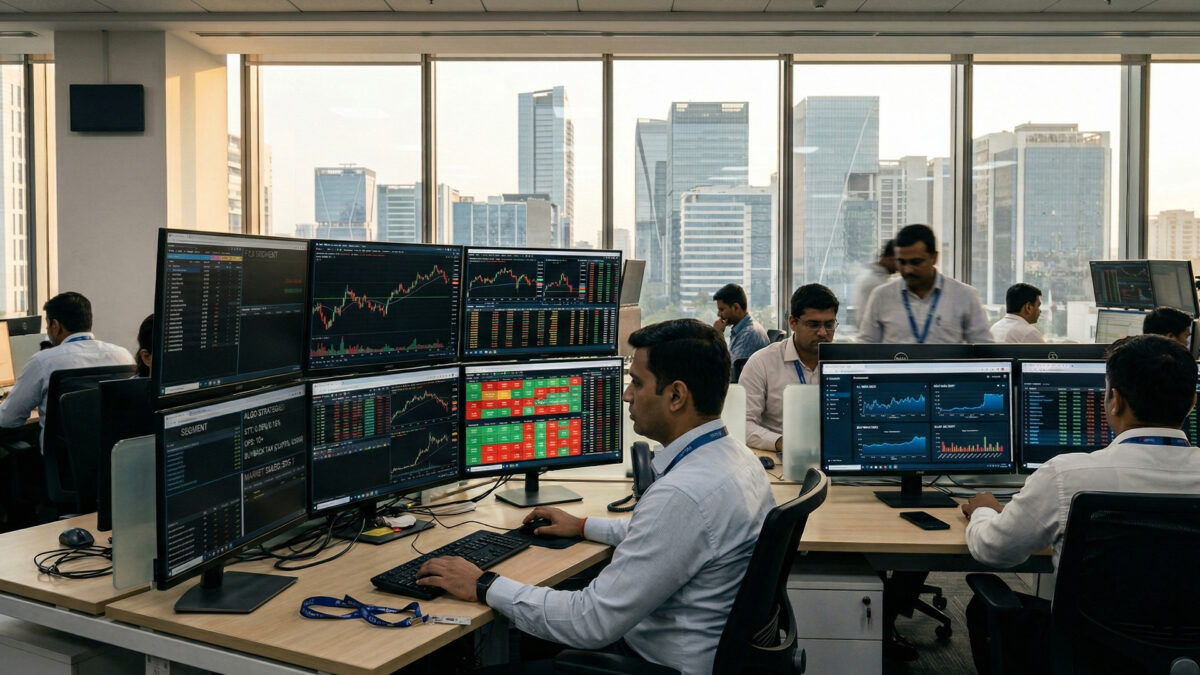
A set of new stock market trading rules took effect in India on April 1, aimed at strengthening market stability and tightening regulations for traders, investment firms, and listed companies. The changes range from higher trading costs on certain segments to curbs on algorithmic strategies and adjustments in buyback taxation.
One of the most notable changes is the increase in Securities Transaction Tax (STT) on equity derivatives. STT is a levy paid on trades of futures and options (F&O) and is intended to discourage excessive speculative trading. The revised rates will raise costs for traders active in the derivatives market and could temper short‑term, high‑frequency trading strategies.
In addition, the Securities and Exchange Board of India (SEBI) has introduced new norms to rein in algorithmic and high‑frequency trading (HFT) practices. While algorithmic trading can improve market efficiency, regulators believe unchecked automated strategies may contribute to sharp price swings and volatility. The new rules will tighten eligibility, risk controls and monitoring for algo participants, aiming to strike a balance between innovation and market safety.
Listed companies will also face changes, particularly related to share buybacks. A revised tax structure will be applicable to buybacks, where firms repurchase their own shares from investors. The updated framework could affect how companies plan capital returns, dividend policies, and shareholder value strategies.
Other changes include enhanced disclosure requirements and stricter action on misuse of APIs (Application Programming Interfaces) used by brokers and algorithmic traders. Regulators are also focusing on improving surveillance and risk management to reduce market manipulation and protect retail investors.
Market participants, including traders, brokers and analysts, say the new rules are part of a broader shift toward more cautious, transparent market operations. While some traders expressed concerns about higher transaction costs and tighter controls on sophisticated strategies, long‑term investors and regulators argue the changes could lead to healthier market behaviour.
Investors are advised to stay updated and review how the new norms affect their trading patterns, costs and portfolio strategies.
Also Read: Cosmic PV Power plans ₹640 crore IPO