Categories
Beyond

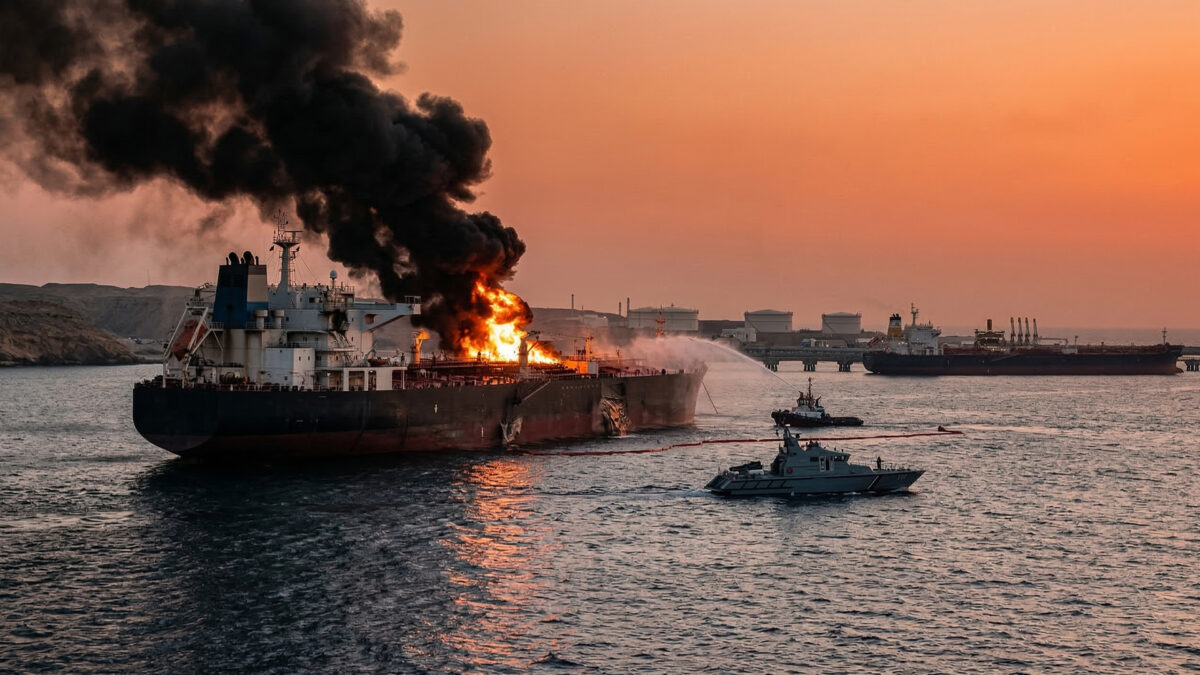
Oil tops $100 after tanker attacks in Iraqi waters

Global oil prices jumped sharply on Thursday after reports that two oil tankers were attacked in Iraqi waters near the Gulf of Hormuz, a key route for about one-fifth of the world’s oil shipments. The attacks stoked fears that ongoing Middle East conflicts could further disrupt crude supply and push prices even higher.

Brent crude briefly rose above $100 per barrel, while US West Texas Intermediate (WTI) oil also climbed significantly. Traders reacted to the news of port shutdowns and fires caused by the attacks, which forced temporary halts at some terminals.

The attacks come amid escalating tensions involving Iran, the United States, and Israel, heightening worries about shipping safety in the region. Analysts said that disruptions in the Gulf, especially around the Strait of Hormuz,  could severely affect global oil supply, since the area is critical for transporting crude to international markets.

Governments are trying to ease the pressure. The International Energy Agency (IEA) announced the release of 400 million barrels from global reserves, while the US released 172 million barrels from its strategic reserves to help stabilize prices. Despite these measures, uncertainty continues, and traders are factoring in the risk of more disruptions.

Experts warn that higher oil prices could increase costs for fuel, transportation, and goods worldwide, adding to inflation concerns already affecting many countries. The recent surge shows how sensitive global energy markets are to geopolitical tensions and how a single incident can ripple through economies.

Investors and policymakers are watching the situation closely. Any further escalation in the region or continued attacks on tankers could keep oil prices volatile, impacting businesses and consumers globally.

Also Read: India backs record IEA oil reserve release
Categories
Beyond

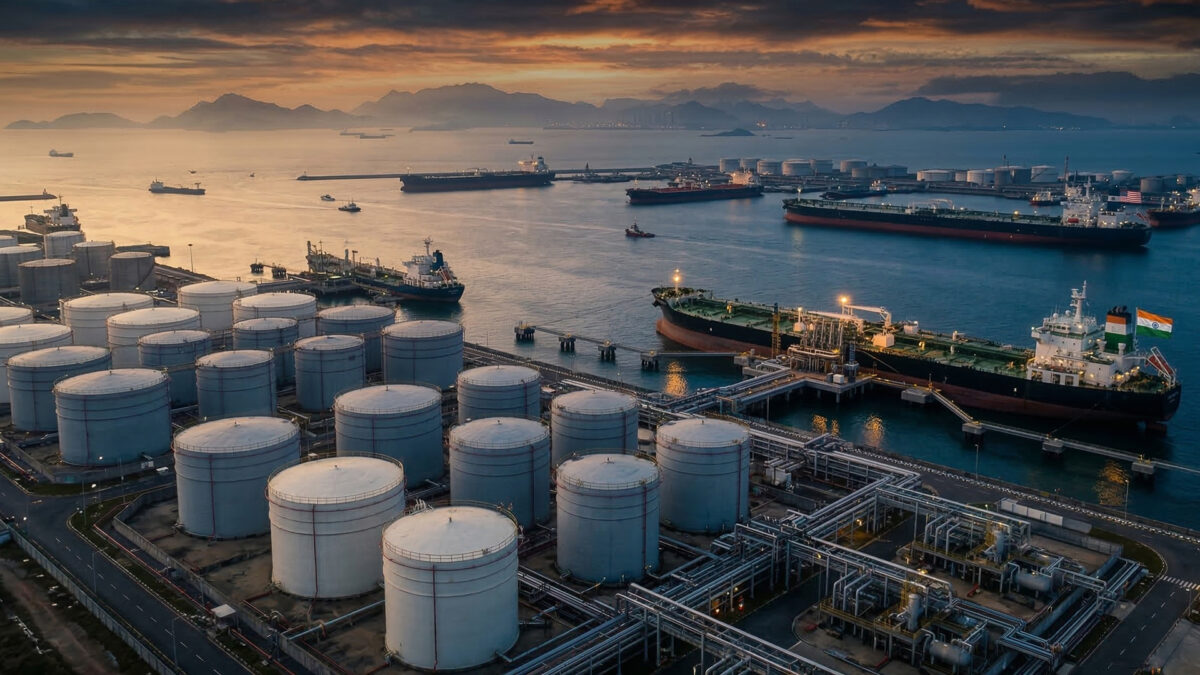
India backs record IEA oil reserve release

India has said it is ready to support global oil markets after the International Energy Agency (IEA) announced a record release of oil from emergency reserves to ease supply concerns and stabilise prices.

The IEA said its member countries would release around 400 million barrels of oil from their strategic petroleum reserves. The move is aimed at increasing supply in global markets and reducing pressure on oil prices, which have risen due to supply disruptions and geopolitical tensions.

The Government of India said it is closely monitoring developments in international energy markets and supports efforts to ensure stability in global oil supplies. Officials said India stands ready to take suitable steps if required to help maintain market balance, though no specific measures have been announced so far.

The emergency release comes as tensions in parts of the Middle East have raised concerns about disruptions to oil supply routes. These concerns have pushed up global crude prices and increased uncertainty in energy markets.

According to the IEA, the coordinated release of oil reserves is the largest in the organisation’s history. Member countries will release oil based on their individual capacities and national conditions to ensure markets receive additional supply in the coming months.

Although India is not a full member, it works closely with the IEA as an associate member and participates in discussions on global energy security. As one of the world’s largest oil importers, India is highly sensitive to changes in global oil prices and supply disruptions.

Officials said India continues to strengthen its own strategic petroleum reserves and diversify its sources of crude oil imports to improve energy security.

Experts believe the large reserve release could help calm markets in the short term by increasing available supply. However, they also note that long-term stability will depend on how geopolitical tensions evolve and whether key global oil supply routes remain stable.

Also Read: Reliance silent after Trump’s $300bn refinery claim